October 18 Chihuahua Health Briefing: Mouth, Movement and Heart
Sunday, October 18, 2026 · World Class Puppies Newsroom
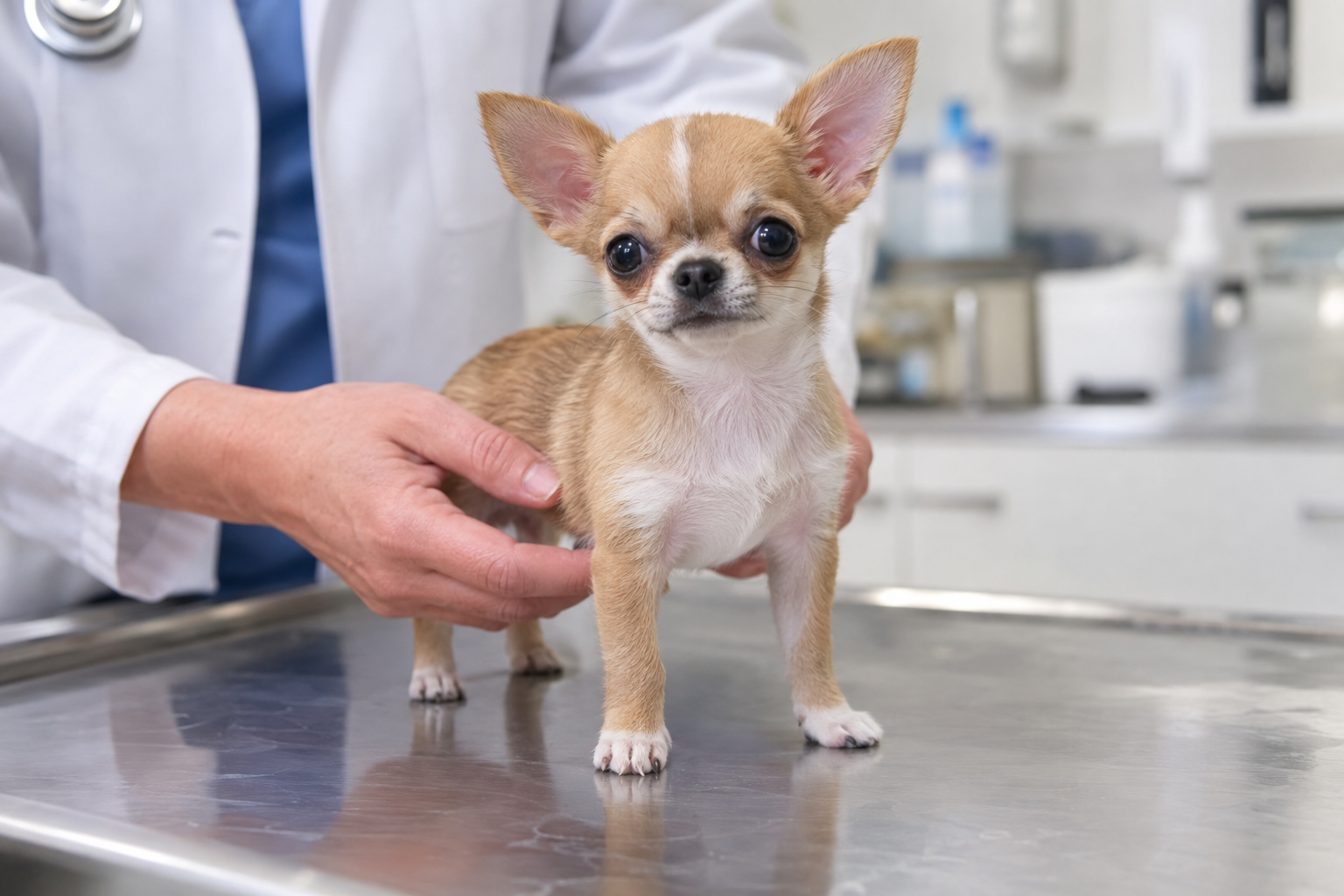
Sunday, October 18, 2026 — This week’s Chihuahua wellness priority is a clearer baseline: record changes in mouth comfort, movement and breathing before drawing conclusions about health.
Today's owner briefing
October is a useful checkpoint for reviewing a Chihuahua’s everyday habits and veterinary records. This briefing draws on established AVMA owner guidance and AKC Chihuahua information; it does not report a newly verified October advisory, study or treatment update. The practical angle is preparation: better observations can make the next veterinary conversation more specific.
Across these resources, prevention and individualized assessment matter more than reassurance based on appearance alone. AVMA dental guidance explains why visible teeth are only part of an oral assessment. Its vaccination guidance supports decisions based on individual circumstances. AKC Chihuahua information provides breed context, but it cannot establish whether a particular Chihuahua has a condition.
For owners, the useful distinction is between noticing a change and diagnosing its cause. A movement video, a dated symptom note or an actual vaccination record gives a veterinarian something concrete to review. None substitutes for an examination.
What are signs of dental problems in Chihuahuas?
Persistent bad breath, red or bleeding gums, dropping food and changes in chewing can signal an oral problem in a Chihuahua. These signs do not reveal the full extent or cause of disease, and continuing to eat does not rule out discomfort. Arrange a veterinary assessment rather than judging dental health from a photograph or visible tartar alone.
AVMA dental guidance emphasizes that problems can occur below the gumline, where an owner cannot assess them. For this month’s record check, note any change in chewing, interest in familiar food or tolerance of normal mouth handling. Avoid forcing the mouth open if your Chihuahua seems uncomfortable; ask how to introduce suitable home care safely.
Does skipping a step mean a Chihuahua has patellar luxation?
A brief skip or lifted hind leg can be a reason to ask about patellar luxation, but it is not a diagnosis. Other causes of pain or altered movement need consideration, and a veterinarian must examine the Chihuahua to assess the knee. If an episode happens naturally, a short video may help explain what you observed.
Record which leg appears affected, what the Chihuahua was doing and whether normal walking resumed. Do not repeatedly encourage jumping or running to recreate the episode, and do not attempt to reposition a kneecap. New pain, inability to bear weight or a substantial change in mobility warrants prompt veterinary contact.
How can owners notice possible heart problems in Chihuahuas?
Changes such as reduced stamina, coughing, fainting or unusual breathing deserve veterinary attention, but they do not identify heart disease by themselves. A Chihuahua can also have a heart finding without obvious symptoms at home. Ask your veterinarian what observations are useful for your Chihuahua and whether any examination finding needs further evaluation.
Distinguish ordinary observations from urgent changes. Record when a cough occurs and whether activity tolerance has changed, rather than labeling either as a heart symptom. Breathing difficulty or collapse calls for urgent veterinary assessment, not a wait until the next routine appointment.
Do Chihuahua vaccination needs change over time?
A Chihuahua’s vaccination plan should be reviewed with its veterinarian as health, exposure and applicable requirements change. AVMA guidance distinguishes broadly recommended protection from vaccines considered according to individual risk. Bring dated records rather than relying on memory, and ask what each recommendation is intended to prevent.
There is no universal calendar prescribed in this briefing. Missing paperwork is a reason to contact the previous veterinary practice and discuss next steps with your own veterinarian—not to assume protection is current or independently repeat vaccinations.
Key takeaways
- Use a Chihuahua’s usual habits as a baseline; record meaningful changes without assigning a diagnosis.
- Eating normally does not establish that a Chihuahua’s teeth and gums are healthy.
- A naturally occurring movement video can support a knee discussion without provoking discomfort.
- Coughing and reduced stamina need interpretation; breathing difficulty or collapse requires urgent attention.
- Review vaccination documentation and individual exposure with your veterinarian rather than following a generic online schedule.
What it means for Chihuahua owners
Prepare one short wellness note this October. Include current concerns, their start dates, existing diagnoses, medications or supplements, and available examination and vaccination records. For each concern, describe what changed and how often it happens. “Paused during a usual walk twice this week” communicates more than “seems older,” without pretending to identify the cause.
Keep the check proportionate. You do not need to turn every meal or walk into a test, and repeated handling can make an uncomfortable Chihuahua more reluctant to cooperate. Observe normal routines, avoid provoking symptoms and contact your veterinary practice when something changes. Ask whether the concern can wait for a planned appointment or needs earlier attention.
Longevity claims deserve similar restraint. A breed lifespan range is not a forecast for an individual Chihuahua, and this briefing identifies no newly verified lifespan research. Focus the appointment on comfort, function and an individualized preventive plan rather than promises that a product or routine will add years.
Questions for your veterinarian
- Does my Chihuahua’s oral examination suggest a need for further dental evaluation, and what home care is appropriate?
- Would the movement changes in this video warrant a focused knee or mobility assessment?
- Have you identified a heart finding, and what would determine whether additional evaluation is useful?
- Which changes should prompt an urgent call rather than routine monitoring?
- Are the vaccination records complete, and have any changes in exposure affected your recommendations?
Sources & further reading
Educational disclaimer: This article is for general educational purposes only and is not veterinary advice, diagnosis or treatment. Consult your own veterinarian about your Chihuahua’s individual health needs.
Explore Chihuahua puppies or contact us with questions.