Chihuahua Training: October 7 Briefing on Rewards and Routines
Thursday, October 8, 2026 · World Class Puppies Newsroom
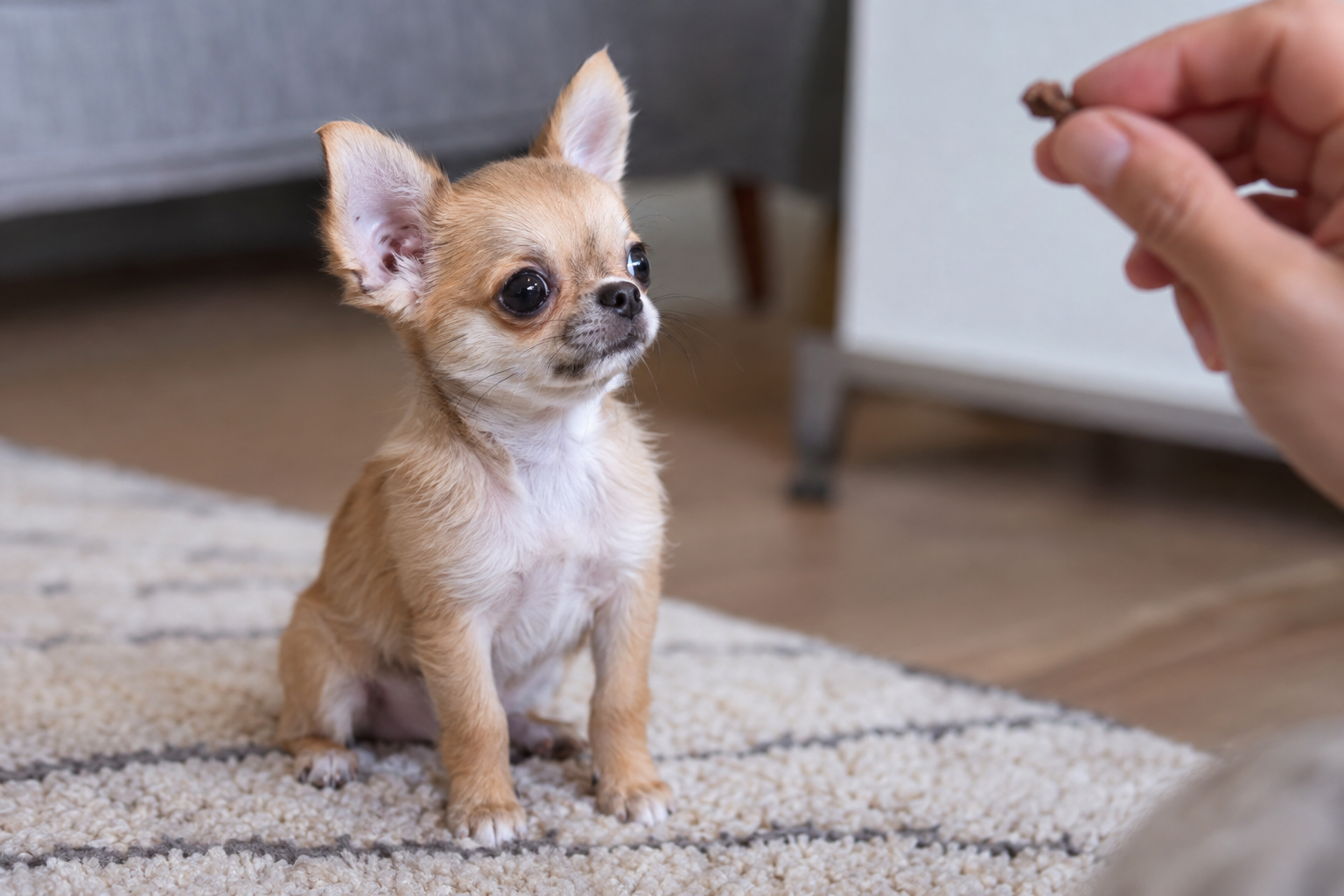
Wednesday, October 7, 2026 — Today’s Chihuahua training briefing focuses on predictable routines, reward-based teaching and calmer practice as October schedules change.
Today's owner briefing
The useful training story this week is consistency, not a newly announced technique. Established AKC training resources and the American Veterinary Society of Animal Behavior’s published position statements emphasize teaching desired behavior, managing the environment and avoiding punitive methods. This briefing applies those principles to Chihuahuas; it does not report a newly released study or verified October trend.
The practical October angle is a routine audit. Earlier darkness, different household schedules or uncomfortable outdoor conditions can change where and when a Chihuahua practices. Before calling a behavior stubbornness, check whether the cues, opportunities and rewards have changed.
How do you potty train a Chihuahua?
Give your Chihuahua predictable opportunities to use a designated toilet area, supervise between opportunities and reward successful toileting immediately afterward. Pay particular attention after waking, eating and play, while adjusting the routine to the individual puppy rather than assuming a universal holding time. Clean accidents without scolding; punishment can make a Chihuahua reluctant to toilet near you without teaching the correct location.
Keep a simple log of outings, successes and accidents. Patterns can reveal a missed opportunity or a confusing route to the toilet area. If you use an indoor toilet location, make it clearly identifiable and keep it separate from sleeping and feeding spaces; unexplained changes in toileting deserve veterinary discussion rather than escalating discipline.
How do you crate train a Chihuahua?
Introduce the crate as a comfortable resting space with the door open, rewarding voluntary approaches and entry. Build toward brief, relaxed door closures and short separations only as your Chihuahua remains comfortable. A crate is not punishment, and it should not substitute for toilet opportunities, interaction or appropriate activity.
Distinguish quiet comfort from simply being unable to leave. Persistent frantic scratching, escape attempts or escalating distress are reasons to stop increasing the difficulty and seek help, not to insist that a Chihuahua must endure the experience. A safely arranged pen or supervised puppy-proofed area may be a more workable management option while you discuss the problem.
How do you teach a Chihuahua to come when called?
Start indoors or in a secure enclosed space, say the recall cue once and reward your Chihuahua generously for reaching you. Increase distance and distractions separately, returning to easier practice when success becomes unreliable. Outside secure spaces, use a properly fitted harness and leash rather than testing an unfinished recall near traffic or other hazards.
Avoid repeatedly calling when your Chihuahua is too distracted to respond. Move closer, make the task easier and reward the next successful response. Occasionally release your Chihuahua back to safe exploration afterward so coming to you does not always predict the end of an enjoyable activity.
For leash work, reward moments when the leash is slack and your Chihuahua chooses to stay near you. Begin somewhere quiet before expecting the same response on a busy pavement. Equipment should fit securely without restricting comfortable movement; pulling your Chihuahua into position does not explain where you want them to walk.
Socialization belongs in the same plan, but it is not a greeting quota. Let your Chihuahua notice people, sounds and ordinary activity from a distance where they can remain comfortable. Retreating, pausing or watching without contact can be a successful session. Puppy exposure choices should account for local health risks with your own veterinarian.
Key takeaways
- Reward the exact behavior you want repeated: toileting in the right place, entering a crate willingly or returning when called.
- Change one training difficulty at a time instead of adding distance, duration and distractions together.
- Treat crate comfort and being alone as skills to build, not tests of endurance.
- Use management to prevent unsafe rehearsals, including secure walking equipment and supervised toilet routines.
- Give a worried Chihuahua more space; forced greetings and punishment can make difficult situations worse.
What it means for Chihuahua owners
Choose one household training priority this week and make the response consistent. For potty training, agree on the toilet location and who handles opportunities after waking or play. For recall, use the same cue and keep rewards accessible. A short written plan is more useful than several people improvising different rules.
Practice when your Chihuahua can succeed, not only when a problem is already happening. Reward relaxed observation before barking escalates, rehearse recall in a quiet room before an exciting outing, and introduce the crate when nobody is rushing out the door. Note the setting and distraction level alongside progress; a skill learned in the kitchen does not automatically transfer outdoors.
Behavior modification begins with identifying what precedes the reaction. Record observable details such as an approaching person, handling or a closing door rather than labeling your Chihuahua dominant or spiteful. AVSAB’s humane-training position supports reward-based approaches and rejects aversive methods. If fear, aggression or separation distress is persistent, seek individualized assistance through your veterinarian rather than escalating corrections.
Questions for your veterinarian
These discussion points help separate a training challenge from discomfort, illness or a situation requiring tailored behavioral support:
- Could a sudden return of toilet accidents or resistance to walking have a health-related cause?
- Which socialization settings are appropriate for my Chihuahua puppy’s current health circumstances and local risks?
- What signs suggest crate distress or difficulty being alone needs a fuller assessment?
- Would a referral for individualized behavior support help with fear, snapping or handling sensitivity?
Bring a brief behavior log and, if safely obtainable, video of the relevant situation. Do not provoke a reaction to record it.
Sources & further reading
- AKC training resources — practical background on household training skills and puppy routines.
- AVSAB position statements on humane training and socialization — published guidance on training methods and early experiences.
Educational disclaimer: This article provides general educational information and is not a substitute for individualized veterinary advice, diagnosis or treatment. Discuss your Chihuahua’s health and behavior concerns with your own veterinarian.
Explore Chihuahua puppies or contact World Class Puppies with your questions.