October 10 Chihuahua Training Briefing: Reset the Routine
Saturday, October 10, 2026 · World Class Puppies Newsroom
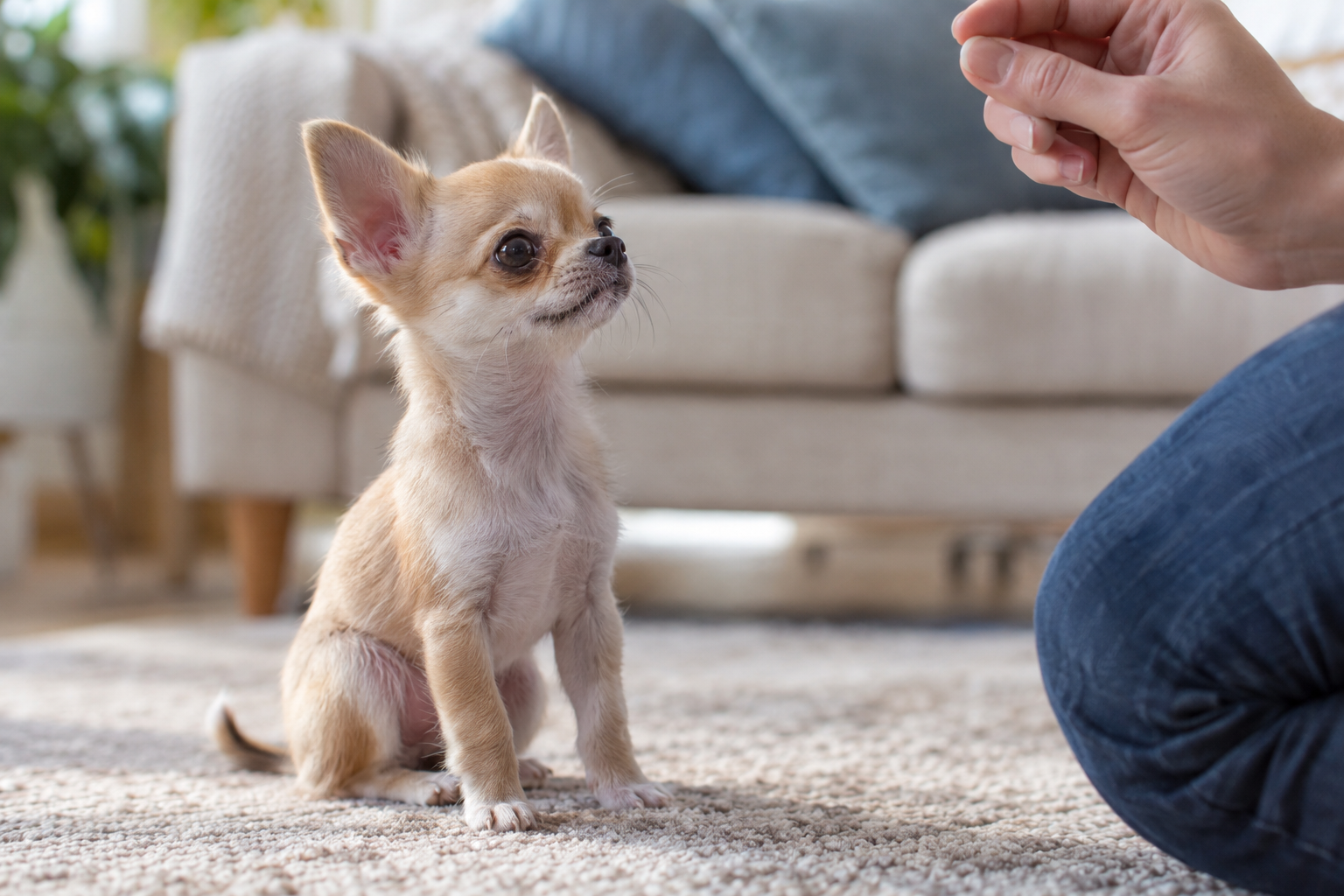
Saturday, October 10, 2026 — This week's Chihuahua training briefing connects potty habits, crate comfort, recall and socialization through predictable routines and reward-based teaching.
Today's owner briefing
The useful October angle is a routine reset, not a newly announced training breakthrough. As autumn changes household schedules and available daylight, Chihuahua owners can review whether their puppies still have clear bathroom opportunities, comfortable resting spaces and manageable practice sessions. This briefing draws on established public guidance; it does not claim a new study, announcement or verified search trend.
AVSAB's humane-training position emphasizes reward-based methods and rejects aversive approaches. AKC house-training guidance emphasizes consistency, supervision and opportunities to succeed. AVMA socialization guidance frames unfamiliar experiences around the animal's comfort, rather than exposure at any cost. Together, these sources support a practical editorial takeaway: change the setup before blaming the Chihuahua.
For someone bringing home a Chihuahua puppy, information from the breeder about familiar toilet surfaces, resting arrangements and everyday cues can help preserve continuity. Treat those details as a starting point, not proof that training is complete or that the same routine will immediately work in a different household.
How do you potty train a Chihuahua?
Give your Chihuahua consistent access to an appropriate toilet area, supervise closely between opportunities and reward elimination in the correct place immediately afterward. Offer opportunities around predictable transitions such as waking, eating and play, while adjusting to the individual puppy rather than expecting a fixed holding time. Clean accidents thoroughly and avoid punishment, which does not explain where the puppy should go instead.
A simple household log can reveal missed opportunities. Record waking, meals, successful trips and accidents without interpreting every setback as defiance. If accidents cluster when everyone starts preparing dinner, the practical fix may be an earlier toilet opportunity and better supervision during that busy transition.
How do you crate train a Chihuahua puppy?
Introduce the crate as a comfortable, voluntary resting space, pairing entry and relaxed exploration with rewards. Build toward brief door closures only while the puppy remains comfortable, and progress according to behavior rather than a deadline. A crate should not replace bathroom access, interaction or a response to distress.
Keep early practice separate from departures whenever possible. A puppy that enters readily while you remain nearby may not yet feel comfortable when you leave the room. Persistent panting, frantic escape attempts or escalating vocalization are reasons to reassess the setup, not a challenge to outlast.
How do you teach a Chihuahua to come when called?
Start in a quiet, secure space, give one consistent recall cue and reward your Chihuahua generously for reaching you. Increase distance and distractions gradually, using a securely enclosed area or an appropriately managed long line rather than testing recall near traffic. Never punish a Chihuahua after they return, even if the response was slow.
Make some recalls lead back to enjoyable exploration instead of always ending an activity. For leash work, apply the same small-step approach: reward attention and comfortable movement beside you before expecting a polished walk through a distracting environment. Check equipment fit and avoid using leash jerks to force position.
Socialization belongs in this same routine, but it is not a greeting quota. Watching unfamiliar people from a comfortable distance can be more useful than being passed between visitors. Let your Chihuahua retreat, and reduce intensity if they freeze, hide or repeatedly try to leave.
Key takeaways
- Reward the behavior you want promptly, especially successful toilet trips and returning when called.
- Treat crate comfort and being alone as related but separate learning tasks.
- Practice recall safely before adding distance, distractions or unfamiliar surroundings.
- Use leash sessions to build attention and confidence, not to demand endurance.
- Keep socialization manageable; observation without interaction still offers learning opportunities.
- Investigate sudden behavior changes rather than assuming your Chihuahua has become stubborn.
What it means for Chihuahua owners
Choose one everyday transition to improve this week. After a nap, for example, offer a toilet opportunity, reward success and then allow a little supervised exploration. That sequence connects care and learning without turning the entire day into formal training. Agree on cues and reward timing with everyone in the household so the puppy receives consistent information.
For barking, lunging or avoidance, note what happens immediately before the behavior and create more distance from the trigger. Reward calm observation at a manageable intensity instead of forcing closer contact. Behavior modification is not simply suppressing a visible reaction: the goal is also to help the Chihuahua feel safer. Persistent fear, aggression or difficulty being alone warrants individualized professional support.
Keep expectations specific and observable. “Entered the crate voluntarily” is more useful than “was good,” and “returned indoors without distractions” is not the same as reliable outdoor recall. For prospective owners, review available information on Chihuahua puppies and use the buyer verification checklist rather than treating training promises as proof.
Questions for your veterinarian
Training difficulties sometimes overlap with discomfort or health changes. Use your appointment to clarify these issues without assuming every setback has a medical cause:
- Could a sudden change in toilet habits or tolerance for handling need a health assessment?
- Which socialization settings are appropriate for this Chihuahua's health status and local exposure risks?
- Do the behaviors observed around confinement suggest a need for additional support?
- What referral options are available for persistent fear, aggression or separation-related distress?
Bring a short behavior log and, when safe, a video recorded without provoking the problem. Those details make a discussion more useful than labels such as “dominant” or “stubborn.”
Sources & further reading
- AVSAB position statements: Humane Dog Training
- AKC: How to Potty Train a Puppy
- AVMA: Socialization of dogs and cats
Educational information only; this article is not veterinary advice and does not replace individualized guidance from your veterinarian.
Explore Chihuahua puppies or contact us with questions.