Chihuahua Puppy Life: October 28 Briefing on Halloween Readiness
Thursday, October 29, 2026 · World Class Puppies Newsroom
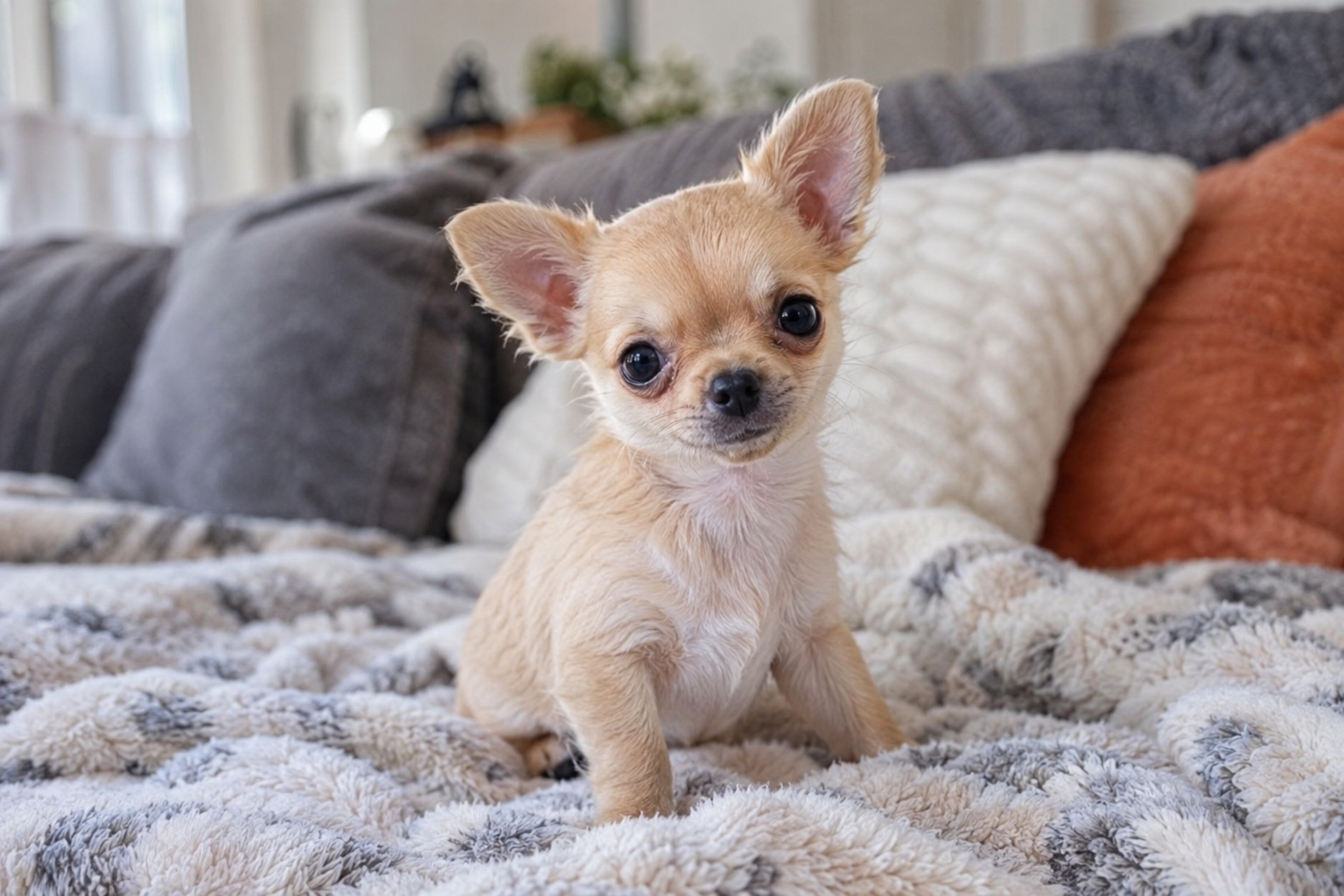
October 28, 2026 — This week's Chihuahua puppy-life priority is comfortable participation: preserve familiar routines, introduce Halloween changes gently, and make retreat easy.
Today's owner briefing
With Halloween approaching, Chihuahua owners face a practical socialization question: how much participation actually helps a puppy? A changing doorway, unfamiliar clothing, and repeated interruptions can turn an ordinary evening into a demanding experience. The useful milestone is not whether a Chihuahua tolerates every visitor. It is whether the puppy can notice a change, remain comfortable, and return to familiar activity.
This is a seasonal application of established guidance, not a report of a newly released study or advisory. AKC puppy-socialization guidance emphasizes positive introductions to unfamiliar experiences. AVMA Halloween safety guidance addresses holiday hazards and precautions around visitors, costumes, and decorations. Together, these sources support a straightforward October approach: plan for safety and choice rather than maximum exposure.
For Chihuahua puppies, that might mean watching one household member put on a hat from across a quiet room—not meeting a procession of costumed strangers. Introduce one manageable change at a time. Let the puppy move away, and avoid using food to lure the puppy closer to something it is trying to escape.
How do you socialize a Chihuahua puppy?
Offer manageable, positive introductions to people, sounds, surfaces, and everyday activities while allowing your Chihuahua to choose a comfortable distance. Start with quieter versions of an experience rather than the busiest setting available. Ask your veterinarian how to balance social opportunities with your puppy's individual health and exposure risks.
Socialization is broader than being touched by unfamiliar people. A Chihuahua can gain experience by observing a visitor behind a secure barrier, hearing a quiet household sound, or investigating a decoration that is safely out of chewing reach. A successful introduction does not require a greeting, a costume, or a photograph.
What are signs that a Chihuahua puppy is overwhelmed?
Repeated attempts to leave, freezing, trembling, hiding, or becoming unusually still can indicate that a Chihuahua puppy needs more space or a break. Read the whole situation rather than treating one posture as a diagnosis. If a behavior is sudden, persistent, or accompanied by other changes, discuss it with your veterinarian instead of assuming it is simply fear.
Watch what happens after an introduction, too. Does your Chihuahua resume exploring, settle in a familiar spot, or remain watchful? A puppy that stays close to an exit or repeatedly avoids the same setup may need a simpler version next time. Quietness alone does not establish comfort.
Should a Chihuahua puppy greet every Halloween visitor?
No—greeting every visitor is not necessary for Chihuahua socialization. A secure, familiar resting area away from the entrance can be the better option during repeated door openings. Any introduction should be supervised and optional, with a clear route away from the interaction.
Keep candy, wrappers, electrical cords, and accessible decorations out of the puppy's space. AVMA Halloween guidance also makes identification and doorway precautions relevant this week. If clothing restricts movement, interferes with normal behavior, or causes distress, skip the outfit rather than trying to turn tolerance into a training goal.
Key takeaways
- Observation counts: A Chihuahua can experience something new without approaching it or accepting touch.
- Distance is adjustable: Start where your puppy appears comfortable and allow retreat without pursuit.
- Routine is an anchor: Protect familiar opportunities for rest, toileting, play, and normal meals during household interruptions.
- Recovery matters: Notice whether your Chihuahua returns to ordinary activity after a new experience.
- Doorway safety comes first: Set up separation before visitors arrive, not after your puppy becomes unsettled.
What it means for Chihuahua owners
Use the next few days to rehearse the household arrangement, not a full Halloween performance. Choose a familiar resting space and check whether your Chihuahua can settle there while someone moves around elsewhere. Make sure barriers are secure and that everyone knows who is responsible for the puppy when the entrance opens. Avoid leaving the puppy alone in unfamiliar confinement for the first time during the busiest part of the evening.
Keep a short, descriptive behavior log if you are trying to understand patterns. Record the situation, approximate distance, what your Chihuahua did, and what happened after you reduced the activity. “Moved behind the chair when the hat appeared, then returned when it was removed” is more useful than “acted stubborn.” These notes can help you distinguish an isolated reaction from a recurring difficulty without assigning a diagnosis.
Progress may look ordinary: choosing to investigate a harmless object, resting while a familiar person wears different clothing, or calmly leaving an interaction. Do not compare your Chihuahua's pace with social-media clips. Early socialization matters, but that does not make this week's holiday a deadline or justify overwhelming exposure. Continue building positive experiences beyond Halloween at a pace suited to the individual puppy.
Questions for your veterinarian
Bring observations rather than asking whether your Chihuahua is simply “behind.” Useful discussion points include:
- Which social settings are appropriate given my Chihuahua puppy's current health and veterinary records?
- Could a new reluctance to move, interact, or accept handling warrant an examination?
- Which behavior changes should prompt a call rather than continued observation at home?
- If my Chihuahua remains distressed around everyday sounds or visitors, what support would you recommend?
The aim is an individualized plan, not a universal milestone chart. Veterinary input is especially important when behavior changes overlap with appetite, energy, movement, or other health concerns.
Sources & further reading
This article is for educational purposes only and is not a substitute for professional veterinary advice, diagnosis, or treatment. Consult your own veterinarian about your Chihuahua's individual needs.
Explore Chihuahua puppies or contact us with questions about Chihuahua puppy life.