October 11 Chihuahua Puppy Briefing: Confidence Before Halloween
Sunday, October 11, 2026 · World Class Puppies Newsroom
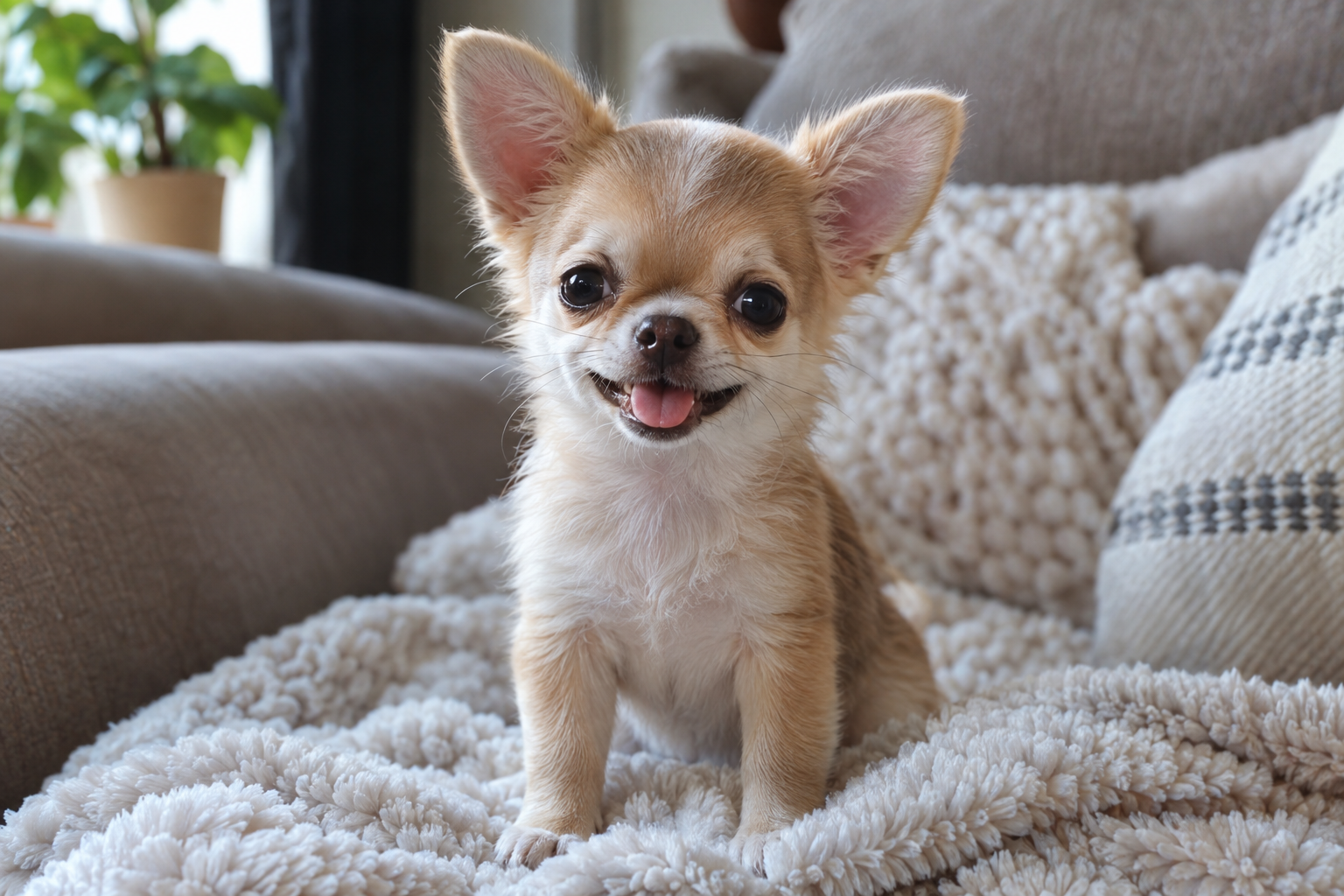
Sunday, October 11, 2026 — This week's Chihuahua puppy-life briefing focuses on building everyday confidence before Halloween changes the sights, sounds and traffic around home.
Today's owner briefing
The useful October story is preparation, not a newly announced puppy milestone. Decorations, doorbells and unfamiliar clothing can change an otherwise predictable day for a Chihuahua puppy. Owners do not need a packed outing calendar to prepare. They need manageable experiences, room for the puppy to retreat and a routine that still leaves time for undisturbed rest.
This briefing draws on established AVSAB guidance about puppy socialization and humane training, alongside AKC Chihuahua breed information. These are background resources, not evidence of an October policy change or a newly verified search trend. Their practical relevance this month is straightforward: introduce the world thoughtfully rather than assuming more exposure is always better.
AVSAB's socialization statement identifies the first three months as a particularly important period for learning about surroundings. That is an opportunity, not a deadline requiring owners to rush a Chihuahua puppy into every setting. Its guidance supports early socialization while accounting for health precautions; the appropriate setting for an individual puppy belongs in a conversation with that puppy's veterinarian.
For this week's purposes, progress means a Chihuahua puppy can notice something unfamiliar and remain comfortable enough to disengage. It does not mean greeting every visitor, tolerating a costume or staying beside a noisy decoration. Halloween preparation can begin with an ordinary household object placed well away from the puppy's resting area.
How do you socialize a Chihuahua puppy?
Introduce people, sounds, surfaces and everyday activities in brief, manageable ways while allowing your Chihuahua puppy to choose whether to approach. Pair comfortable experiences with rewards the puppy enjoys, and increase distance or end the activity when the puppy appears worried. Discuss exposure settings and infectious-disease precautions with your veterinarian rather than treating all public spaces as equally appropriate.
Start with experiences that already fit daily life: watching a household member put on a hat, hearing a quiet recording or observing a visitor from behind a secure barrier. Change one element at a time. A hat, ringing bell and approaching stranger presented together make it harder to identify what unsettled the puppy.
What are signs that a Chihuahua puppy is overwhelmed?
A Chihuahua puppy may turn away, freeze, hide, repeatedly attempt to leave or stop engaging with something normally enjoyable. Read these behaviors in context rather than treating one gesture as a diagnosis. Reduce the challenge and allow a quiet break; persistent or sudden behavior changes deserve veterinary discussion.
A puppy that stays motionless while being held is not necessarily enjoying an introduction. Look for voluntary engagement: choosing to observe, moving freely and being able to leave. Avoid passing the puppy between visitors or insisting on contact because the visitor is friendly.
What milestones should I track in my Chihuahua puppy?
Track practical changes such as settling after activity, becoming comfortable with gentle handling and recovering from ordinary surprises. Compare your Chihuahua puppy with its own earlier behavior rather than a rigid weekly performance chart. Toilet habits, appetite and rest patterns can also provide useful context when discussing development with your veterinarian.
A simple note can be more useful than a label such as 'brave' or 'shy': 'watched the decoration from the hallway, then returned to play.' Record the setting and the puppy's choice. That helps distinguish a manageable introduction from one that only looked successful because the puppy had no exit.
Key takeaways
- Treat October's unfamiliar sights and sounds as optional learning opportunities, not compulsory challenges.
- Keep Chihuahua puppy introductions brief, reward-based and easy to leave.
- Early socialization matters, but appropriate exposure depends on the puppy's health and circumstances.
- Measure progress through comfort and recovery rather than the number of people or places encountered.
- Keep a few specific behavior notes so household members can maintain a consistent approach.
What it means for Chihuahua owners
For the coming week, choose one everyday situation that needs to become easier. Perhaps your Chihuahua puppy retreats when someone carries a large bag through the room. Begin with the bag stationary at a comfortable distance, without inviting the puppy closer than it wants to go. If the puppy remains relaxed, a later introduction can include a little movement. There is no need to complete every step on the same day.
Make visitor arrangements before the door opens. Provide a secure, quiet space away from entry traffic, and tell guests that interaction is optional. A Chihuahua puppy can observe without being touched. If Halloween activity will make the entrance unpredictable, management is more useful than using a busy evening as an intensive socialization session. Check that barriers and doors prevent accidental exits.
Keep developmental expectations individual. AKC breed information offers background about Chihuahua characteristics, but a breed description cannot predict one puppy's response to masks, visitors or handling. Likewise, breeder-facing descriptions and puppy labels cannot replace observation. Ask about the individual puppy's existing routine and documented experiences, then use what you actually see at home to adjust the pace.
Questions for your veterinarian
- Which socialization settings fit my Chihuahua puppy's current health history and local disease risks?
- Could discomfort or another health concern contribute to a new reluctance to be handled?
- Which changes in sleep, appetite or behavior should prompt a call rather than routine monitoring?
- Would structured puppy education be appropriate now, and what safety and training practices should I look for?
Bring observations rather than conclusions. A short description of what happened before, during and after a difficult experience can make the discussion more useful than saying your Chihuahua puppy is simply 'bad with visitors.'
Sources & further reading
- AVSAB position statements: puppy socialization and humane training — foundational guidance on early experiences and reward-based methods.
- AKC Chihuahua breed information — breed background to read alongside individual observation.
Educational disclaimer: This article provides general educational information and is not veterinary advice, diagnosis or treatment. Consult your own veterinarian about your Chihuahua's individual needs.
Explore Chihuahua puppies or contact us with questions about welcoming a Chihuahua.