October 13 Chihuahua Briefing: Confidence Without Crowded Outings
Wednesday, October 14, 2026 · World Class Puppies Newsroom
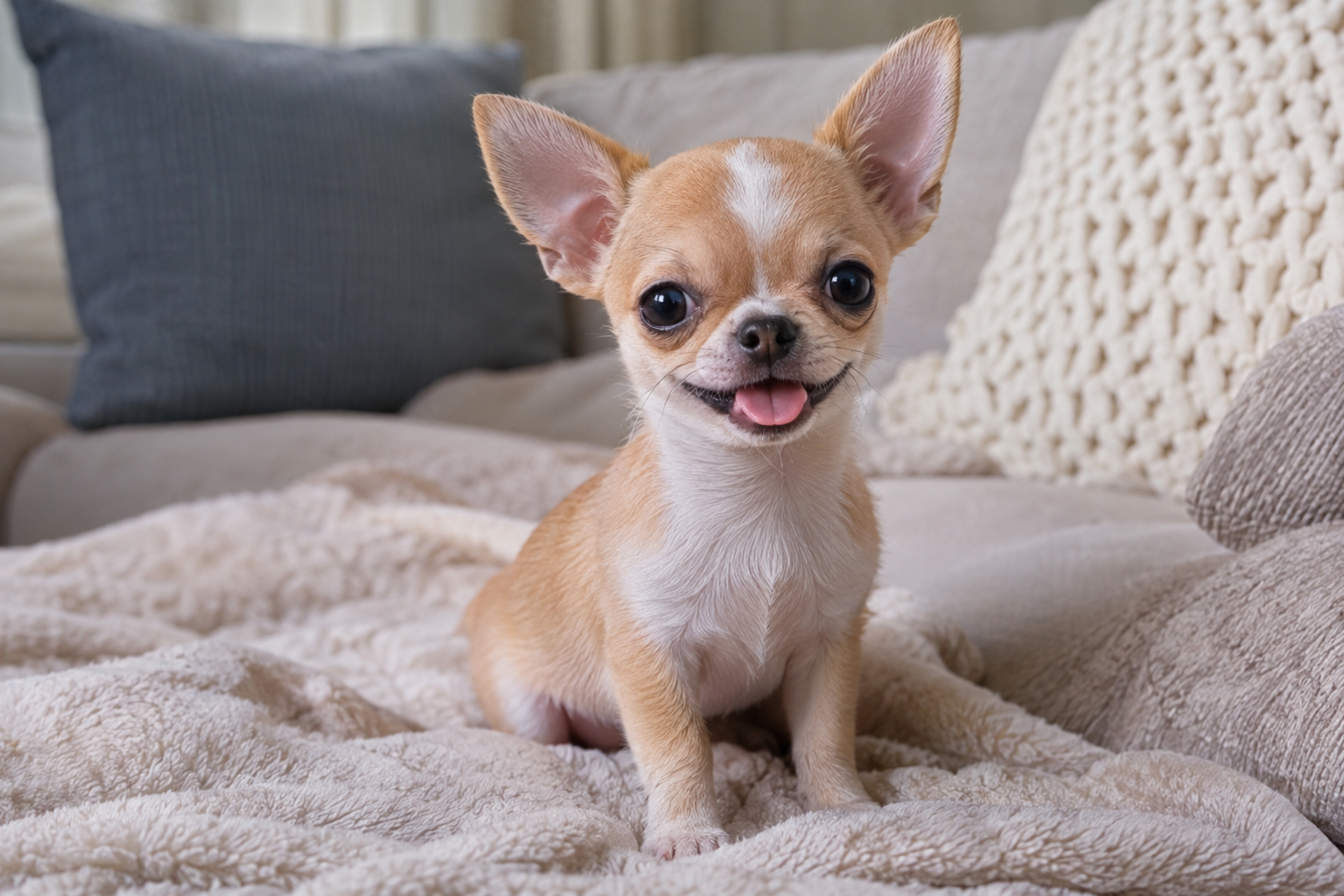
Tuesday, October 13, 2026 — Today's Chihuahua puppy-life briefing focuses on a practical October priority: building everyday confidence without turning socialization into a crowded endurance test.
Today's owner briefing
For Chihuahua puppy owners, October brings ready-made learning opportunities: jackets rustling, deliveries arriving, decorations appearing, and visitors moving through the house. The useful question is not how many experiences a puppy can collect. It is whether those experiences remain manageable enough for the puppy to feel safe and stay curious.
AVMA socialization guidance and AKC puppy-socialization education emphasize positive introductions to people, environments, and ordinary experiences. These are established resources, not a newly announced October policy or a verified surge in ownership trends. This week's angle is their everyday application: a Chihuahua puppy can practice confidence without greeting everyone or entering a busy public space.
For owners reading breeder care notes alongside dog-care articles, distinguish an individual puppy's documented routine from general advice. Familiar bedding, usual household sounds, and previous handling experiences can help explain a transition. They do not establish how confidently that puppy will respond in a different home.
How do you socialize a Chihuahua puppy?
Introduce ordinary sights, sounds, surfaces, and people in manageable situations, allowing your Chihuahua puppy to observe or move away. Pair comfortable experiences with something the puppy enjoys, such as play or an appropriate reward, rather than forcing contact. AVMA and AKC guidance support positive exposure; your own veterinarian should help determine which settings are appropriate for your puppy's health status.
A quiet introduction might mean watching a visitor sit down across the room rather than being passed between hands. Another might involve seeing a folded umbrella before anyone opens it nearby. The goal is familiarity, not a performance: approaching is optional, and watching calmly can be useful practice.
When should Chihuahua puppy socialization start?
Socialization begins early in puppyhood, and early experiences matter, but learning continues as a Chihuahua grows. Do not treat a developmental window as a deadline that justifies overwhelming exposure. Ask your veterinarian how to balance positive introductions with local infectious-disease risks and your puppy's individual circumstances.
An owner who has recently brought a puppy home does not need to recreate every missed experience in one weekend. Start with the household the puppy actually inhabits: where people walk, how doors sound, where rest happens, and what gentle handling feels like. Predictability gives unfamiliar events a steadier background.
How can I tell if my Chihuahua puppy is overwhelmed?
Look for changes such as backing away, freezing, hiding, repeated attempts to escape, or losing interest in an activity the puppy usually enjoys. These behaviors need context: refusing a reward alone does not establish fear or illness. Reduce the intensity of the situation, offer space, and discuss persistent or sudden behavior changes with your veterinarian.
Quietness is not automatically confidence. A Chihuahua puppy who remains motionless while being held near a noisy gathering may not be comfortable. Look instead for a broader pattern: voluntary exploration, relaxed movement, and the ability to disengage and return to an ordinary activity.
Key takeaways
- Socialization is broader than greetings; Chihuahua puppies also learn about sounds, surfaces, handling, and household movement.
- A positive experience is more useful than an impressive number of introductions. Avoid turning October outings into a checklist race.
- Give your puppy room to observe and retreat. Being carried should not remove the opportunity to leave an uncomfortable interaction.
- Track everyday milestones, such as settling after a visitor arrives, rather than comparing your Chihuahua with online videos.
- Choose public environments with your veterinarian's input; social learning and infection precautions belong in the same conversation.
What it means for Chihuahua owners
This week, choose one ordinary situation that currently feels difficult and make it simpler. If the doorway is exciting, let your Chihuahua observe household arrivals from a quieter area rather than placing the puppy at the center of every greeting. If seasonal decorations seem worrying, allow observation at a comfortable distance without luring the puppy closer than they would choose. Reward voluntary engagement without requiring an approach.
Keep a short, descriptive log: what happened, how close the puppy was, what behavior you observed, and what helped the puppy return to normal activity. Write “moved behind the chair when the door opened” rather than “was stubborn.” Such notes make patterns easier to discuss and help separate a difficult setting from a broad personality label. They also give you a more useful milestone record than photographs alone.
Protect ordinary downtime. A day containing a visitor, unfamiliar handling, and a noisy outing may be demanding even when each event seems brief to a person. Alternate learning opportunities with familiar activities and undisturbed rest. Progress can look unremarkable: a Chihuahua puppy noticing a new sound, checking the room, and returning to play. There is no need to manufacture a bigger challenge just because that moment went well.
Questions for your veterinarian
Bring observations rather than asking for a universal socialization calendar. Useful discussion points include:
- Which local settings are appropriate given my Chihuahua puppy's current health and veterinary records?
- Could discomfort or another health issue contribute to avoidance during handling?
- What behavior changes should prompt an examination rather than a change in our routine alone?
- Would a supervised puppy-learning setting suit this puppy, and what safety practices should I check?
- When would persistent fear warrant additional behavior support?
These questions keep the plan individual. General socialization guidance cannot determine whether a particular venue, interaction, or handling exercise is suitable for every Chihuahua puppy.
Sources & further reading
- AVMA: Socialization of dogs and cats — general principles for positive social development.
- AKC: Puppy Socialization: Why, When, and How to Do It Right — early learning, introductions, and practical socialization considerations.
Educational disclaimer: This article is for general educational purposes only and is not veterinary advice, diagnosis, or treatment. Consult your own veterinarian about your Chihuahua's individual health and care.
Explore Chihuahua puppies or contact World Class Puppies with questions about puppy ownership.