Chihuahua Feeding Briefing: October 19 Meal and Water Check
Tuesday, October 20, 2026 · World Class Puppies Newsroom
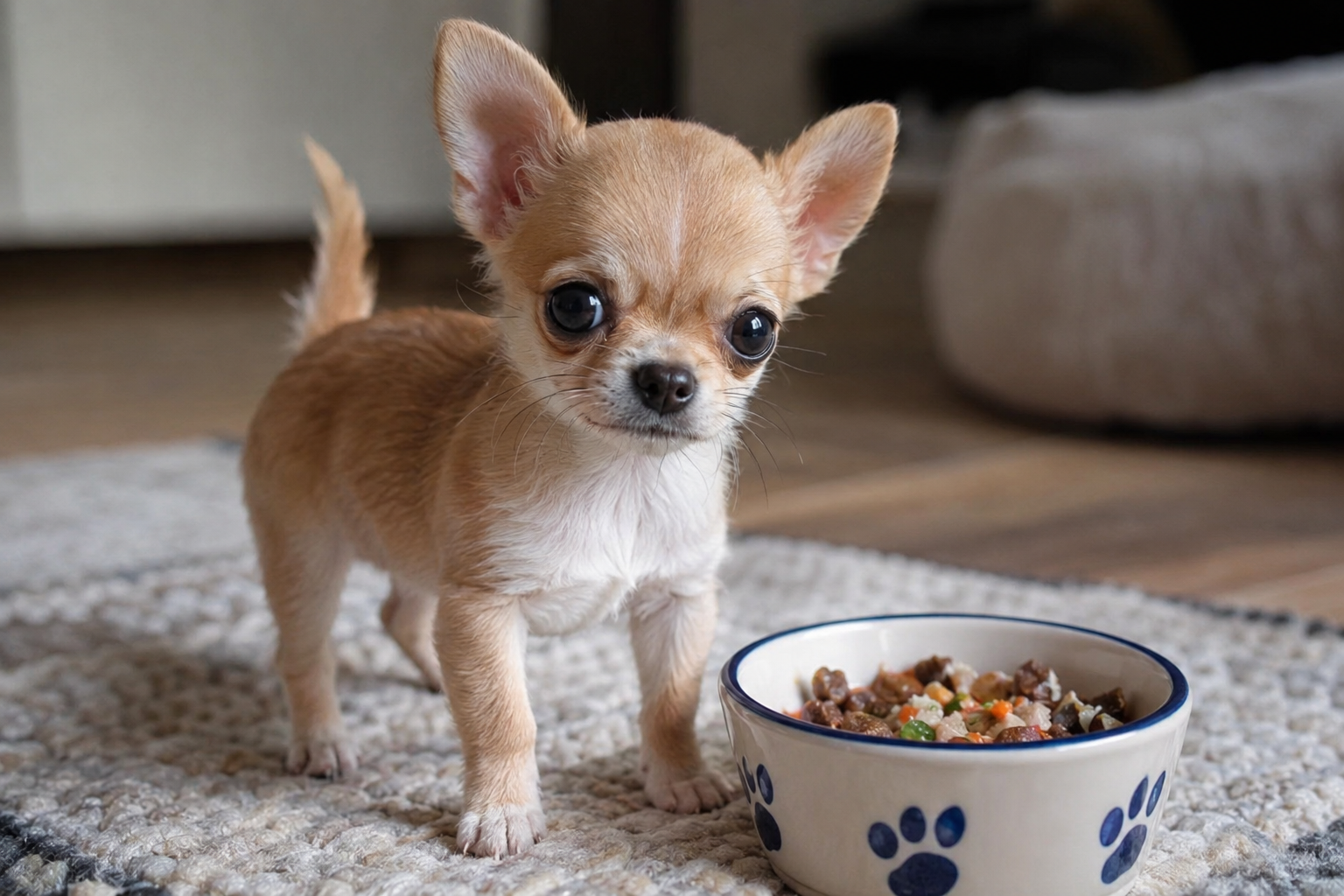
Monday, October 19, 2026 — This week’s Chihuahua feeding briefing puts meal consistency, nutritional adequacy, and water access ahead of diet hype as October routines change.
Today's owner briefing
For Chihuahua owners, the useful nutrition question this week is not which food is trending. It is whether the current feeding routine matches the individual Chihuahua’s life stage, actual intake, and veterinary needs. A busy autumn calendar can make missed meals, uncounted treats, and an overlooked water bowl easier to miss.
This is a practical review of established public guidance, not a report of a newly verified October study or revised feeding recommendation. FDA food-label information, WSAVA nutrition resources, and AVMA food-safety guidance offer complementary checks: nutritional adequacy, individualized assessment, and safe handling. None establishes one universal menu or meal timetable for every Chihuahua.
What is the best food for a Chihuahua puppy?
The best starting point is a food labeled complete and balanced for growth or another appropriate life stage that includes growth, with suitability reviewed by your veterinarian. FDA guidance explains that the nutritional adequacy statement carries information that marketing terms alone do not. The right choice also needs to be practical for your Chihuahua to eat and appropriate for any individual health concerns.
Read that adequacy statement rather than relying on the front of the bag. A product intended only for intermittent or supplemental feeding is not equivalent to a complete daily diet. For Apple Head Chihuahuas, Long Hair Chihuahuas, and puppies advertised as Teacup or Miniature Chihuahuas, appearance or marketing terminology does not replace an individual nutrition assessment.
WSAVA’s resources emphasize nutritional assessment and questions about food manufacturers, including formulation expertise and quality control. These are more useful decision tools than assuming that a fashionable ingredient list proves a food is better. Breeder feeding notes can document a puppy’s existing routine, but they are background information—not independent evidence that a diet is nutritionally suitable.
How often should a Chihuahua puppy eat?
A Chihuahua puppy’s meal timing should reflect age, size, health, and actual food intake rather than a universal internet schedule. Many veterinarians suggest regular, appropriately spaced meals for young Chihuahua puppies—decide with your own veterinarian. Ask specifically what to do if your puppy misses a meal instead of improvising a longer gap or compensating with treats.
Hypoglycemia means low blood sugar and can be a serious concern in very young or exceptionally tiny Chihuahua puppies, particularly when food intake is inadequate or illness is present. Consistent access to the agreed feeding routine is a precaution, not a guarantee of prevention. Weakness, trembling, disorientation, collapse, or seizures warrant urgent veterinary attention; these signs can also have causes other than low blood sugar.
Do not wait for a food change to solve those signs or rely on an online home-remedy protocol. Ask your veterinary team in advance for an individualized missed-meal and emergency plan. That conversation is especially important when a puppy is newly home and the owner is still learning what normal eating looks like.
Can Chihuahua puppies have treats every day?
Treats can fit into a Chihuahua puppy’s routine when they are included in the overall nutrition plan rather than added without accounting for them. Their size and texture should be suitable for the individual puppy, and they should not crowd out complete meals. Ask your veterinarian how to allocate treats within your Chihuahua’s daily intake.
Track training rewards, edible chews, and food offered by other household members together. For a Chihuahua, a treat that looks insignificant to a person may still meaningfully affect the day’s intake. Using part of an agreed food allowance for rewards can make the accounting clearer, if appropriate for that puppy.
How can I monitor my Chihuahua’s hydration?
Keep fresh drinking water accessible and check that your Chihuahua can comfortably reach and use the bowl. Notice changes from their usual drinking pattern rather than judging hydration from one observation. A persistent change, especially alongside poor appetite, vomiting, diarrhea, or lethargy, needs veterinary advice.
Water in food can influence how much a Chihuahua drinks from a bowl, so bowl intake is not the whole picture. AVMA food-safety guidance also makes handling and cleanliness part of the feeding conversation: follow storage instructions and keep food and water equipment clean.
Key takeaways
- Check the nutritional adequacy statement before trusting front-label marketing.
- Agree on meal timing and a missed-meal plan for your individual Chihuahua puppy.
- Treat sudden weakness or neurological signs as urgent, not as a routine feeding puzzle.
- Count treats and edible extras alongside meals.
- Keep water accessible and record meaningful changes in eating or drinking.
What it means for Chihuahua owners
Start this October review with a short written record of what actually happens around the bowl. Note the food’s full product name, offered amounts, leftovers, meal times, treats, and any appetite changes. Bring the package label or clear photographs to the next nutrition discussion. A record is more useful than a vague impression that a Chihuahua is eating “about enough.”
If several people feed your Chihuahua, use one shared log so meals are neither duplicated nor accidentally omitted. Preserve the agreed routine during changing work hours or seasonal activities. Avoid changing the food, portion, treats, and timing all at once without guidance; multiple simultaneous changes make it harder to understand a developing problem.
Food selection should also stay separate from promotional claims. No newly verified diet research is presented here, and these sources do not support naming a single winning Chihuahua food. The practical takeaway is to assess adequacy, tolerance, intake, and safety together rather than treating popularity as evidence.
Questions for your veterinarian
- Does this food’s adequacy statement match my Chihuahua’s current life stage?
- What meal spacing and missed-meal response fit this puppy’s individual risk?
- Which appetite or behavior changes require an immediate call?
- How should we account for training rewards and edible chews?
- What eating, drinking, and body-condition records would help at our next review?
Sources & further reading
Explore Chihuahua puppies or contact us. Educational information only; not veterinary advice, diagnosis, or treatment. Consult your own veterinarian about your Chihuahua’s individual needs.