Chihuahua Enrichment Briefing: Smarter Play for October 21
Thursday, October 22, 2026 · World Class Puppies Newsroom
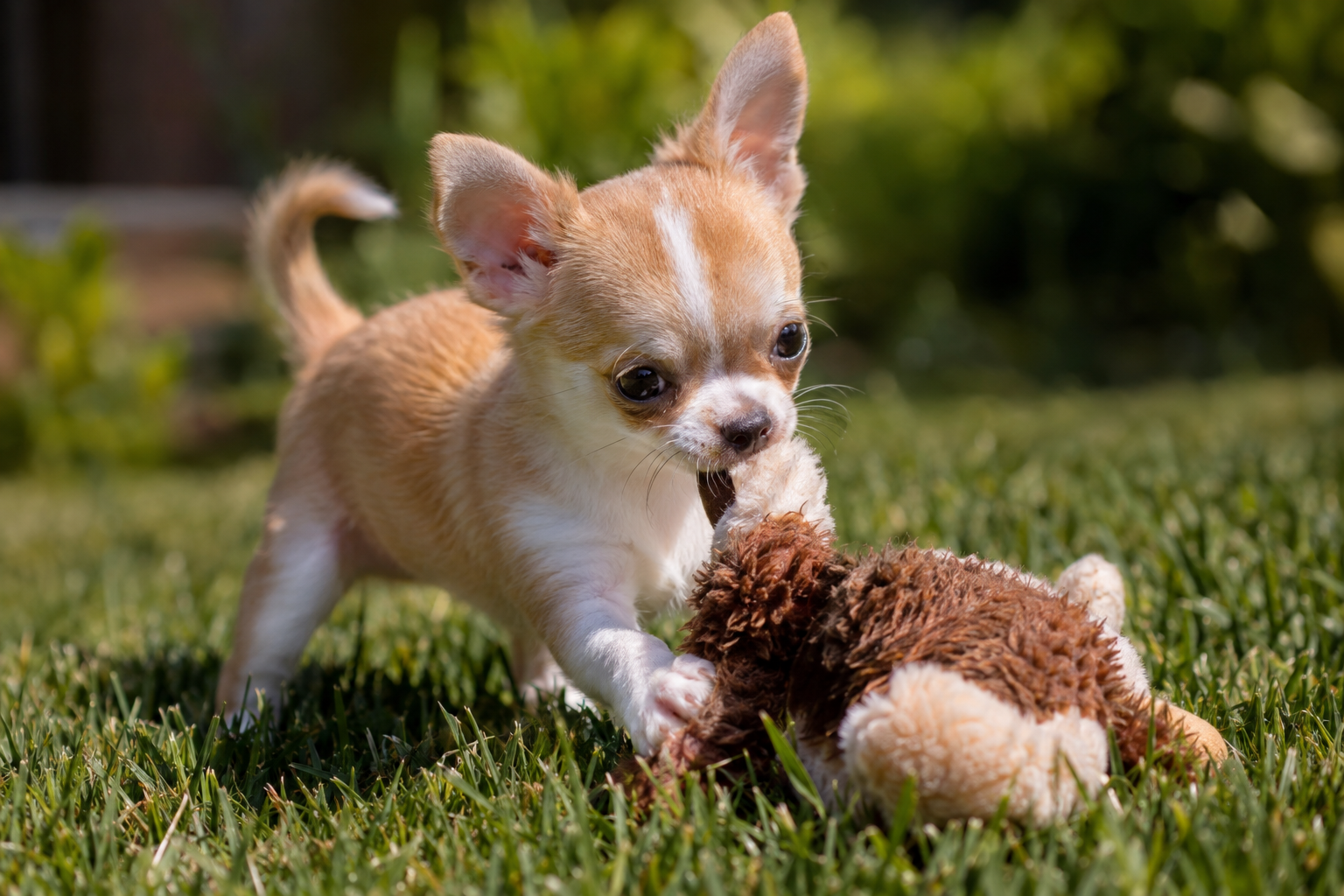
Wednesday, October 21, 2026 — Today’s Chihuahua enrichment briefing focuses on shorter routes, richer exploration, and weather-aware play rather than a fixed exercise target.
Today's owner briefing
October brings a useful activity question: is your Chihuahua enjoying the outing, or simply completing it? Falling temperatures, changing light, and unfamiliar seasonal decorations can alter an otherwise familiar walk. The practical response is not automatically more exercise. It is a better balance of movement, investigation, rest, and opportunities to disengage.
This is an October service briefing based on established public guidance, not a report of a newly released study or verified search trend. AKC Chihuahua breed information emphasizes that play and short walks can provide exercise, while warning against overexertion. AVMA cold-weather guidance emphasizes adapting outings to individual tolerance and conditions. Together, these sources support a flexible approach rather than one universal activity prescription.
How much exercise does a Chihuahua need?
A Chihuahua needs regular opportunities to move and play, but there is no single daily duration that suits every puppy and adult. AKC breed guidance describes short walks and play as useful exercise options and cautions against overexertion. Adjust the challenge to your Chihuahua’s age, comfort, health, and willingness to participate, with individual limits discussed with your veterinarian.
For this week, review the quality of the route before extending its length. A familiar stretch with room to pause can offer more useful exploration than a longer outing spent being hurried past every scent. Keep the leash comfortable and let safe sniffing stops be part of the walk rather than interruptions to it.
What indoor games are good for Chihuahuas?
Simple searches, gentle toy play, and easy floor-level exploration can give Chihuahuas something purposeful to do indoors. Start with an obvious toy or a small portion of their usual food in an accessible spot, and supervise throughout. Make the task easier if your Chihuahua loses interest or becomes frustrated, and remove anything they begin tearing apart or swallowing.
One low-complexity option is an open-box search: place a familiar toy in a shallow, stable cardboard box with no staples, tape, or loose packing material. Let your Chihuahua approach voluntarily; do not lift them into it. If the box itself is worrying, place the toy beside it instead. The goal is successful exploration, not proving that your Chihuahua will tackle an obstacle.
Can Chihuahuas do agility?
Chihuahuas can participate in agility-style activities, but the challenge should match the individual’s physical readiness and confidence. At home, begin with ground-level skills such as going around a marker or following a simple route on a nonslip surface, rather than improvised jumps. Ask your veterinarian about suitability before introducing jumping, repeated sharp turns, or more demanding equipment.
Think of a beginner route as a communication game, not a race. Use a stable marker that cannot tip onto your Chihuahua, leave generous turning space, and reward an easy approach. Avoid balancing activities on furniture or slippery surfaces; an indoor enrichment session does not need height to be interesting.
Key takeaways
- Quality matters more than mileage: Give your Chihuahua time to explore instead of treating every walk as a distance goal.
- Keep challenges adjustable: An obvious search or simple route is a useful starting point, not a lesser achievement.
- Watch the environment: Check footing, visibility, temperature, and loose seasonal decorations before starting.
- Preserve choice: Allow your Chihuahua to move away from unfamiliar objects and finish a game without being coaxed repeatedly.
- Separate play from performance: Stop adding difficulty when participation fades; enrichment should not become an endurance test.
What it means for Chihuahua owners
Build a small menu of activities rather than a rigid circuit. On a comfortable October day, that might mean a familiar sniff walk and later a gentle toy game. When conditions are unpleasant, offer an indoor search and an easy movement game instead, while maintaining necessary outdoor bathroom opportunities. Rotate one feature at a time so you can see what your Chihuahua actually enjoys. There is no need to buy elaborate equipment before testing whether a simple game holds their interest.
Seasonal judgment matters especially when outdoor conditions change quickly. AVMA guidance notes that cold tolerance varies and recommends shortening walks when necessary. Check paws after outings and keep your Chihuahua away from unknown spills, deicing products, and unsafe debris. Clothing is not a reason to ignore discomfort: shivering, reluctance to continue, or a sudden change in movement should prompt you to stop the activity and assess the situation. Seek veterinary advice about concerning or persistent changes rather than assuming they are boredom.
For Chihuahua puppies, make novelty manageable. A decoration viewed from a comfortable distance can be enough for one outing; approaching it is optional. Keep a short note of which activities invite relaxed participation and which lead to avoidance. That record is more useful for planning tomorrow’s enrichment than counting how many games you completed today.
Questions for your veterinarian
Use your Chihuahua’s actual activity pattern to make the conversation specific:
- Are there individual reasons to modify walking surfaces, turning movements, or agility-style activities?
- Which changes during or after play should lead us to stop and arrange an examination?
- How should we adapt outdoor activity when our Chihuahua seems uncomfortable in cooler weather?
- If we use food-search games, how can those rewards fit the existing feeding plan?
Bring observations about movement and recovery, not just a total number of walking minutes. A description of when your Chihuahua hesitates can help frame a more useful discussion than a request for a universal exercise quota.
Sources & further reading
- AKC Chihuahua breed information — General breed information, including exercise and play considerations.
- AVMA cold-weather animal safety — Guidance on individual cold tolerance and weather-related precautions.
Educational information only; this article is not veterinary advice and does not replace care from your own veterinarian.
Explore Chihuahua puppies or contact us with your questions.