October 16 Chihuahua Briefing: Better Play, Not More Pressure
Saturday, October 17, 2026 · World Class Puppies Newsroom
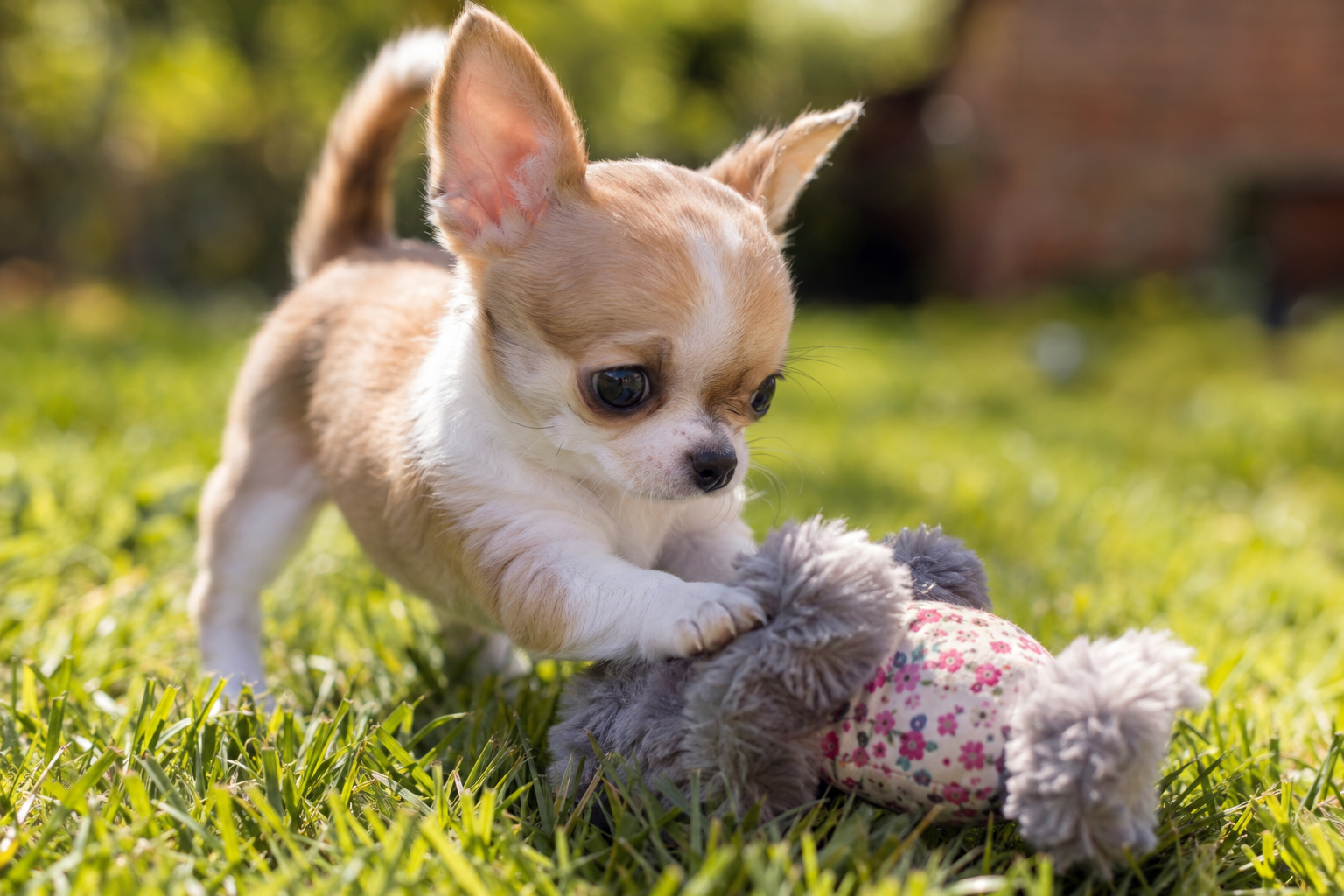
Friday, October 16, 2026 — Today's Chihuahua enrichment briefing puts choice, comfortable footing, and interesting exploration ahead of longer walks or harder play.
Today's owner briefing
October offers plenty of opportunities to refresh a Chihuahua's routine without adding distance or equipment. A different sniffing stop, an open cardboard box, or a familiar cue practiced somewhere quiet can change the experience. The useful question is not how to exhaust a Chihuahua, but how to offer movement and mental engagement the individual can enjoy.
This is a practical synthesis of established public guidance, not a report of a newly issued October advisory. The AKC Chihuahua profile describes exercise through walks and play while cautioning against overexertion. AVMA cold-weather guidance emphasizes adjusting outdoor activity to an animal's individual tolerance. Neither supports treating every Chihuahua's activity needs as identical.
The fresh angle for this week's routine is simple: increase interest before increasing difficulty. That means letting a Chihuahua investigate rather than constantly directing, making activities easy to leave, and keeping indoor alternatives ready when autumn conditions make outdoor exploration less comfortable.
How much exercise does a Chihuahua need?
A Chihuahua needs regular opportunities for movement and play, but a universal daily minute target cannot account for age, health, fitness, and weather. The AKC breed profile supports walks and play without pushing a Chihuahua beyond comfortable limits. Plan around your Chihuahua's response rather than a step count, and discuss individual limitations with your veterinarian.
A walk can include pauses to investigate safe smells rather than uninterrupted forward motion. Choose a secure harness and leash arrangement, watch the surface underfoot, and avoid turning a familiar route into a distance test. A Chihuahua puppy should not be expected to match an adult's pace or stamina.
How can I keep my Chihuahua entertained indoors?
Offer a simple search game, a supervised toy choice, or a familiar training activity on nonslip flooring. Begin with an obvious reward or toy so your Chihuahua can understand the task without struggling. Put the activity away if your Chihuahua begins chewing unsuitable materials or loses interest.
For a homemade search activity, place a familiar toy beside one open box, then let your Chihuahua investigate freely. Keep the setup spacious and stable; remove tape, staples, and loose packaging before use. The purpose is exploration, not forcing entry into a container or making the reward increasingly inaccessible.
If food is used, account for it within your Chihuahua's existing feeding plan rather than automatically adding extra snacks. Food puzzles need supervision and appropriate sizing. A homemade game is not automatically suitable simply because its materials are inexpensive.
Can Chihuahuas do agility?
Chihuahuas can enjoy agility-related learning, but foundations do not require jumps, elevated equipment, or fast turns. Start with simple skills such as following a hand target or walking around a widely spaced marker on secure footing. Ask your veterinarian about suitability before introducing physically demanding equipment, particularly for a puppy or a Chihuahua with movement concerns.
A floor-level route can consist of one marker and an open path back to the owner. Avoid slippery floors, unstable furniture, tight channels, and improvised obstacles that could tip. Reward understanding rather than speed; completing a complicated course is not the goal of everyday enrichment.
Key takeaways
- Add variety through safe smells, toy choices, and easy learning before extending activity.
- Treat walks as exploration opportunities, not mileage requirements for every Chihuahua.
- Use stable, nonslip surfaces for indoor play and agility foundations.
- Supervise puzzles and homemade games; remove materials your Chihuahua tries to swallow.
- Adjust autumn outings to conditions and your Chihuahua's comfort, with indoor alternatives available.
What it means for Chihuahua owners
Try changing one feature of an existing activity this week. On a familiar walk, allow extra investigation at a safe stopping point. Indoors, offer a choice between two familiar toys rather than repeatedly presenting the same one. During training, practice an already understood cue in a quieter corner before adding distractions. These are options, not a required sequence or exercise prescription.
October decorations and unfamiliar noises can make otherwise ordinary routes more demanding. Give your Chihuahua room to observe at a comfortable distance rather than drawing them toward moving decorations or crowded entrances. AVMA cold-weather guidance also supports attention to individual tolerance: wet, windy conditions may call for a different outing than a mild afternoon. Clothing should not be treated as permission to ignore signs of discomfort.
Watch whether your Chihuahua approaches voluntarily, moves comfortably, and can disengage. Turning away, repeatedly leaving the setup, or hesitating is useful feedback, not a reason to insist. Stop an activity that appears uncomfortable. A new reluctance to walk or play deserves veterinary discussion rather than an assumption that your Chihuahua simply needs stronger motivation.
Questions for your veterinarian
Bring observations about the activities your Chihuahua enjoys and any changes you have noticed. A description of the surface, weather, equipment, and response is more useful than saying a game was simply too difficult. Practical discussion points include:
- Which forms of play fit my Chihuahua's current age, condition, and movement?
- Are there activities or surfaces we should avoid before trying agility equipment?
- What changes in enthusiasm or recovery should prompt an examination?
- How should we adapt outdoor activity when the weather becomes colder or wetter?
Sources & further reading
- AKC Chihuahua breed profile: exercise and training guidance
- AVMA cold-weather animal safety guidance
This article is for educational purposes only and is not a substitute for veterinary advice, diagnosis, or treatment. Consult your veterinarian about your Chihuahua's individual health and activity needs.
Explore Chihuahua puppies or contact us with questions.