Chihuahua Diet & Nutrition: A September 2026 Breeder & Vet Guide
Wednesday, September 30, 2026 · World Class Puppies Newsroom
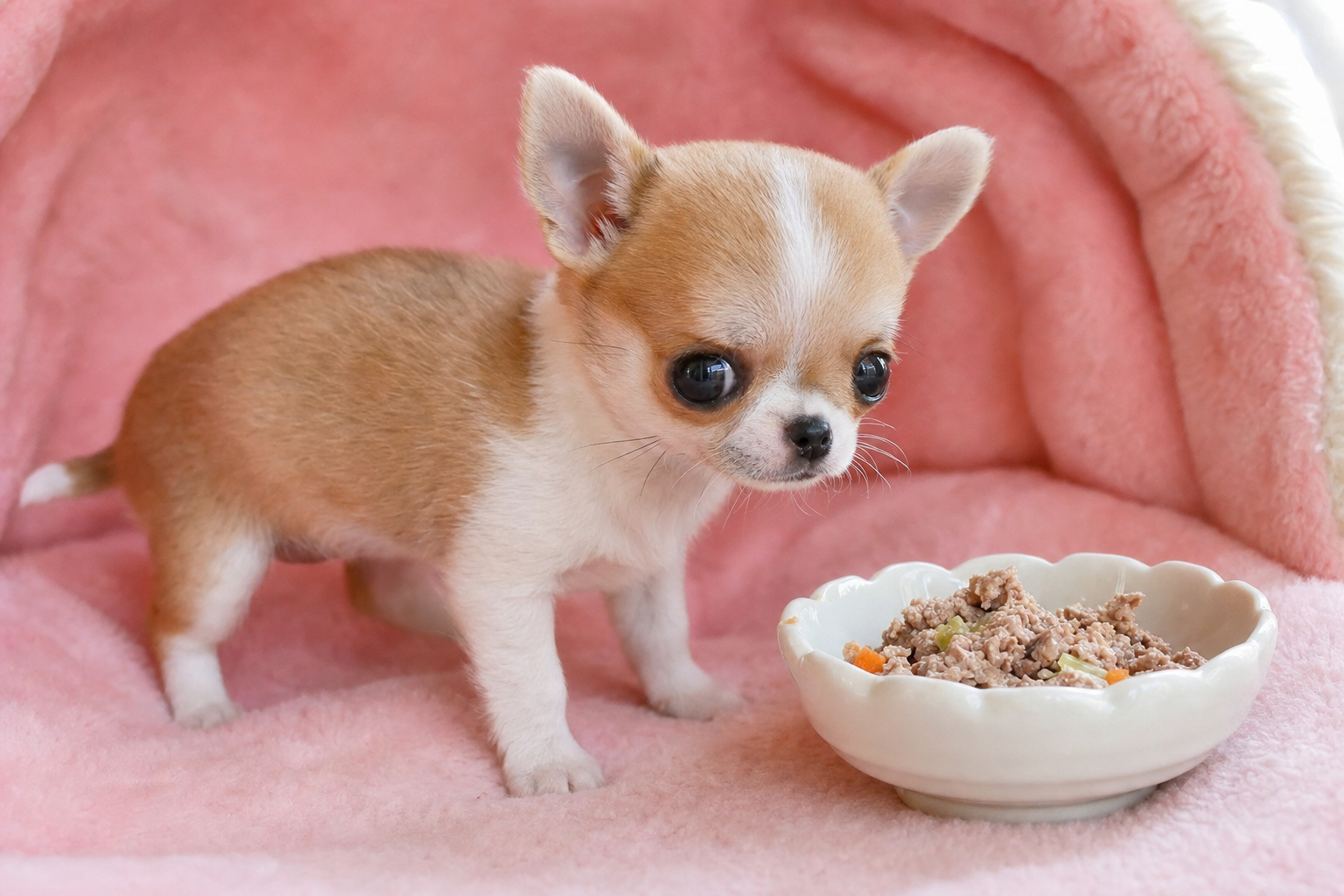
LOS ANGELES – As fall begins, veterinary nutritionists and top Chihuahua breeders are emphasizing the critical role of precise feeding schedules and high-quality kibble to prevent hypoglycemia in small puppies, a key topic for September 2026.
What's new today
This month, discourse across veterinary publications and breeder forums is centered on proactive nutritional management for Chihuahuas, particularly for tiny puppies like Teacup and Miniature Chihuahuas. The primary concern remains hypoglycemia (low blood sugar), a life-threatening condition that can affect any Chihuahua puppy but is most common in those under four pounds. The current consensus stresses the importance of nutrient-dense foods and consistent access to meals for puppies under four months old.
Recent guidance moves away from rigid, infrequent feeding schedules for very young puppies. Instead, many experts now advocate for either free-feeding (leaving dry kibble available at all times) or offering 4-6 small meals throughout the day. This approach helps stabilize blood sugar levels in their fast metabolisms. For adult Chihuahuas, the focus shifts to portion control to prevent obesity, a common issue in the breed that can strain their delicate joints and cardiovascular system.
There is also a growing emphasis on kibble specifically formulated for toy breeds. These formulas feature smaller kibble sizes to prevent choking and are calorically dense, ensuring a tiny Chihuahua puppy can get the energy it needs from a small volume of food. As we head into the cooler months, owners are advised to monitor their dog's appetite and energy levels, as changes in activity may require slight adjustments to their daily food intake.
Key takeaways
- Hypoglycemia Risk: Low blood sugar is a significant danger for Chihuahua puppies, especially Teacup varieties under 4 months of age. Frequent meals are essential.
- Puppy Feeding Schedule: Many breeders recommend free-feeding a high-quality dry kibble for puppies up to 4-5 months old to ensure constant energy.
- Adult Feeding Schedule: After 6 months, transition to 2-3 scheduled meals per day to manage weight and establish a routine.
- Nutrient-Dense Food: Always choose a high-quality food designed for toy or small breeds. The ingredient list should start with a whole protein source like chicken or fish.
- Hydration is Crucial: Chihuahuas can dehydrate quickly. Ensure fresh, clean water is always available in a shallow, accessible bowl.
- Treats in Moderation: Treats should make up no more than 10% of your Chihuahua's daily caloric intake to avoid unbalancing their diet and causing weight gain.
What it means for Chihuahua owners
Understanding your Chihuahua's unique dietary needs is fundamental to their health and longevity. For owners of a new Chihuahua puppy, preventing hypoglycemia is the top priority. This means ensuring the puppy eats every few hours. If you cannot free-feed, you must be available to provide small, frequent meals. Symptoms of hypoglycemia include lethargy, weakness, stumbling, appearing disoriented, or pale gums. If you suspect your puppy is hypoglycemic, you should immediately provide a high-sugar source like Nutri-Cal or a dab of honey on their gums and contact your veterinarian.
For those with an adult Long Hair Chihuahua or Apple Head Chihuahua, the focus shifts to maintaining an ideal body condition. It’s easy to overfeed these small dogs, leading to obesity. Work with your veterinarian to determine the correct daily portion based on your dog's age, weight, and activity level. Use a measuring cup for accuracy—don't just guess.
Proper nutrition directly impacts everything from coat health to energy levels and immune function. Investing in a premium food tailored to small breeds provides the right balance of protein, fat, and micronutrients. Avoid foods with cheap fillers like corn, wheat, and soy, or those with unnamed meat by-products.
Answering Your Top Questions
What is the difference between an apple head and deer head Chihuahua?
The primary difference is the head shape, as defined by the official breed standard. An Apple Head Chihuahua has a rounded, dome-like skull with a short muzzle meeting the head at a sharp 90-degree angle. In contrast, a Deer Head Chihuahua has a more sloped forehead, a longer muzzle, and typically larger ears, resembling a young deer. While both are beloved companions, the Apple Head shape is the only one recognized in the show ring by organizations like the AKC. Reputable breeders who offer an apple head chihuahua for sale are breeding toward this established standard.
How do I find a reputable Chihuahua breeder near me?
Finding a reputable breeder involves looking for key signs of professionalism and care. A legitimate breeder will be transparent about their practices, provide a comprehensive health guarantee, and openly share information about the puppy's parents and health screenings. They should ask you questions to ensure you can provide a good home. While searching for "chihuahua puppies for sale near me" is a common start, remember that the best breeder might not be local. Many top-tier breeders, including those serving the Chihuahuas Los Angeles and Chihuahuas Beverly Hills communities, offer safe, hand-delivery flight nanny services nationwide.
Who sells Chihuahua puppies in Los Angeles?
For those seeking a high-quality Chihuahua puppy in Southern California, it's essential to find a breeder focused on health and temperament. We specialize in raising exceptional Chihuahuas and proudly serve clients throughout the area, including Chihuahuas Bel Air, Malibu, and greater Los Angeles. We provide white-glove delivery services to ensure a safe and stress-free journey for your new puppy.
How much does a teacup Chihuahua cost?
The price of a Teacup Chihuahua puppy varies based on several factors, including size, conformation to the breed standard, coat color and type, and the breeder's reputation. Exceptional quality, health guarantees, and lifelong support are factored into the cost. For specific information on available puppies and their pricing, please see our page on Chihuahua puppy prices.
Expert tips from our breeder
- Emergency Sugar Source: Always keep a tube of high-calorie nutritional gel (like Nutri-Cal) or honey on hand. This can be life-saving if your puppy shows signs of hypoglycemia.
- Recommended Food Brands: Many veterinarians and breeders suggest premium brands like Royal Canin's Chihuahua-specific formula or Hill's Science Diet Small Paws. Always choose the puppy version for dogs under one year old.
- Hydration Station: Use a shallow, heavy ceramic or stainless steel bowl for water to prevent tipping and ensure easy access. Clean and refill it with fresh, filtered water daily.
- Monitor Stools: A healthy puppy's stool should be firm and consistent. Diarrhea or constipation can be early signs of dietary intolerance or illness and warrant a discussion with your vet.
- Kibble as Treats: To avoid over-feeding, use pieces of your Chihuahua's daily kibble allotment as rewards during training sessions instead of adding extra calories with commercial treats.
This article provides general guidance and is not a substitute for professional veterinary advice. Please consult with your veterinarian to create a personalized diet and health plan for your Chihuahua.
Sources & further reading
- AKC - Chihuahua Breed Information
- AVMA - Small Animal Nutrition Resources
- Tufts Cummings School of Veterinary Medicine - Petfoodology
To see our available puppies, visit our puppies for sale page or contact us with any questions at genasax@icloud.com or +1-840-688-0490.