Chihuahua Nutrition Update: September 2026 Feeding & Health Guide
Thursday, September 17, 2026 · World Class Puppies Newsroom
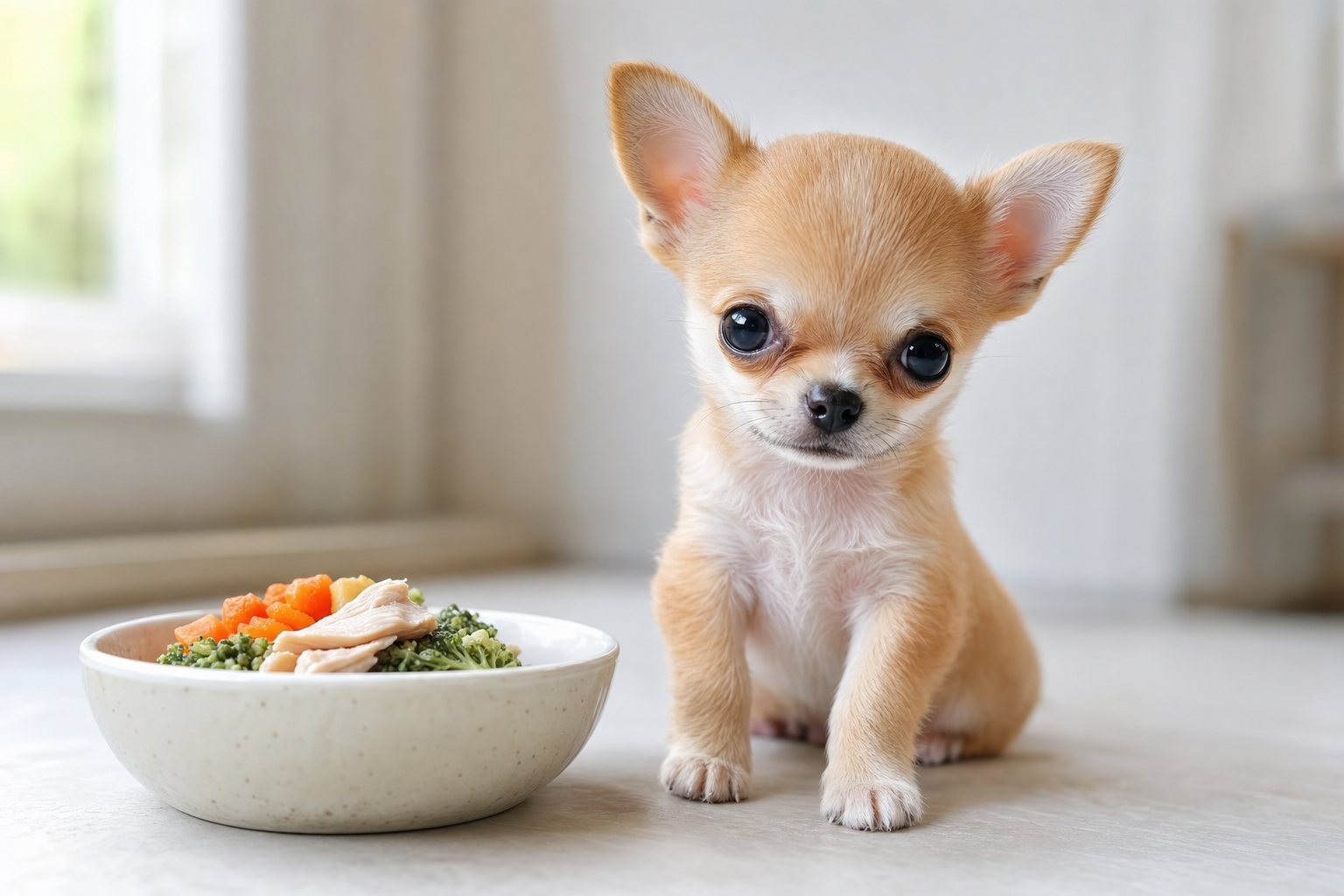
LOS ANGELES — As autumn approaches, veterinary nutritionists are renewing their focus on structured feeding schedules and high-quality diets to prevent hypoglycemia, a critical health risk for Chihuahuas, especially Teacup and Miniature puppies.
What's new today
The September 2026 nutritional briefing for Chihuahua owners centers on consistency and quality. With the transition from summer to fall, activity levels may change, but a Chihuahua puppy's need for a stable, calorie-dense diet remains constant. The latest guidance from veterinary sources emphasizes the importance of a strict feeding schedule to manage blood sugar levels effectively. This renewed focus comes as the pet food market sees a continued rise in minimally processed and fresh-food options, prompting owners to look more closely at ingredient labels for high-quality proteins and digestible carbohydrates.
Hypoglycemia, or dangerously low blood sugar, remains the paramount dietary concern for any tiny Chihuahua, from a teacup chihuahua to a mini chihuahua. A single missed meal can be dangerous for a puppy under four pounds. Current veterinary thinking stresses that the frequency of meals is as critical as the content. For young puppies, this means providing small meals every three to four hours. This approach ensures a steady supply of glucose to their fast metabolism, preventing the sudden energy crashes that define a hypoglycemic episode.
Alongside meal planning, experts are highlighting the importance of mindful treating and consistent hydration. As temperatures cool, owners may become less vigilant about water intake, but Chihuahuas still require constant access to fresh, clean water. Furthermore, the role of treats is being framed as a tool for positive reinforcement training rather than a dietary supplement. High-quality, low-calorie treats should be used sparingly to avoid unbalancing their carefully calibrated diet.
Key takeaways
- Structured Schedules: Consistent meal times are non-negotiable for preventing blood sugar drops in Chihuahua puppies.
- Calorie Density: Small stomachs require calorie-dense, high-quality food to meet their energy needs without large volumes.
- Meal Frequency: Young Chihuahua puppies (under 6 months) thrive on 4-5 small meals per day, not two or three larger ones.
- Hypoglycemia Risk: Free-feeding is often discouraged for puppies as it can make it difficult to monitor intake and spot a missed meal, a primary trigger for hypoglycemia.
- Hydration is Key: A Chihuahua should always have access to a shallow, fresh bowl of water, regardless of the season.
- Mindful Treating: Treats should not exceed 10% of a Chihuahua's total daily caloric intake to prevent obesity and nutritional imbalances.
What it means for Chihuahua owners
For anyone with a chihuahua puppy, this guidance translates into establishing a firm daily routine. Set alarms for feeding times to ensure a meal is never missed. This is particularly crucial for the smallest puppies, such as a micro teacup chihuahua, whose tiny bodies have minimal fat reserves to draw upon.
When selecting a food, look beyond marketing claims. The ingredient list should start with a whole protein source like chicken, beef, or fish. Avoid foods with vague ingredients like "meat by-products" or excessive fillers like corn and soy, which offer limited nutritional value. The goal is to provide maximum energy in a small, easily digestible package.
Understanding and preparing for a potential hypoglycemic event is a core responsibility. Symptoms include lethargy, weakness, stumbling, and in severe cases, seizures. If you suspect your puppy is hypoglycemic, immediately rub a high-calorie supplement on their gums and contact your veterinarian. Owning a chihuahua dog for sale comes with the duty of proactive care, and nutritional management is at the top of the list.
What is the difference between an apple head and deer head Chihuahua?
The primary difference lies in their head shape, as the names suggest. An Apple Head Chihuahua has a round, apple-domed skull with a short muzzle and a 90-degree angle where the muzzle meets the forehead. This is the breed standard recognized by kennel clubs like the AKC. A Deer Head Chihuahua has a longer muzzle, a sloped forehead, and a more slender, deer-like head shape.
How do I find a reputable Chihuahua breeder near me?
Finding a reputable breeder involves looking for someone who prioritizes health, temperament, and socialization over volume. A responsible chihuahua breeder will be transparent about their practices, provide health guarantees, and be a source of lifetime support. They should be highly knowledgeable about topics like hypoglycemia. For those searching for chihuahuas for sale near me, especially in Southern California, options are available from Chihuahuas Los Angeles to Chihuahuas Beverly Hills, but thorough vetting of the breeder's ethics and practices is essential.
How much are Apple Head Chihuahua puppies?
The price for an Apple Head Chihuahua for sale varies widely based on factors like the breeder's reputation, the puppy's lineage and conformation, and geographic location. Instead of focusing only on price, it is critical to prioritize the value you receive in terms of a healthy, well-socialized puppy from a responsible source. For specific cost information, it is best to review dedicated resources, such as a breeder's puppy pricing page, rather than relying on general estimates.
Expert tips from our breeder
- Emergency Kit: Always have a tube of high-calorie nutritional gel (like Nutri-Cal for puppies) in your home and travel bag. A small dab on the gums can quickly stabilize blood sugar in an emergency while you contact your veterinarian.
- Feeding Schedule: For a new
chihuahua puppyunder 4 months old, we advise offering food 4-5 times per day. A sample schedule could be 7 AM, 11 AM, 3 PM, 7 PM, and a small snack before bedtime. - Food Foundation: We suggest starting with a premium small-breed puppy kibble that lists real meat as the first ingredient. Brands like Royal Canin's Chihuahua-specific formula or Hill's Science Diet for small paws are common starting points that you can discuss with your own veterinarian.
- Water Wisdom: Use a heavy, shallow ceramic bowl for water that cannot be easily tipped over. Refresh it multiple times a day to encourage drinking.
- Smart Treats: For training, use tiny pieces of high-value treats like freeze-dried chicken or liver. This makes training effective without adding significant calories. Avoid processed, sugary treats designed for larger dogs.
This article is for educational purposes only and is not a substitute for professional veterinary advice. Always consult with your veterinarian to make decisions about your Chihuahua's health and dietary needs.
Explore our available Chihuahua puppies at /puppies or contact us directly at /contact for more information.