Chihuahua Nutrition Briefing: Feeding Best Practices for Fall 2026
Friday, September 25, 2026 · World Class Puppies Newsroom
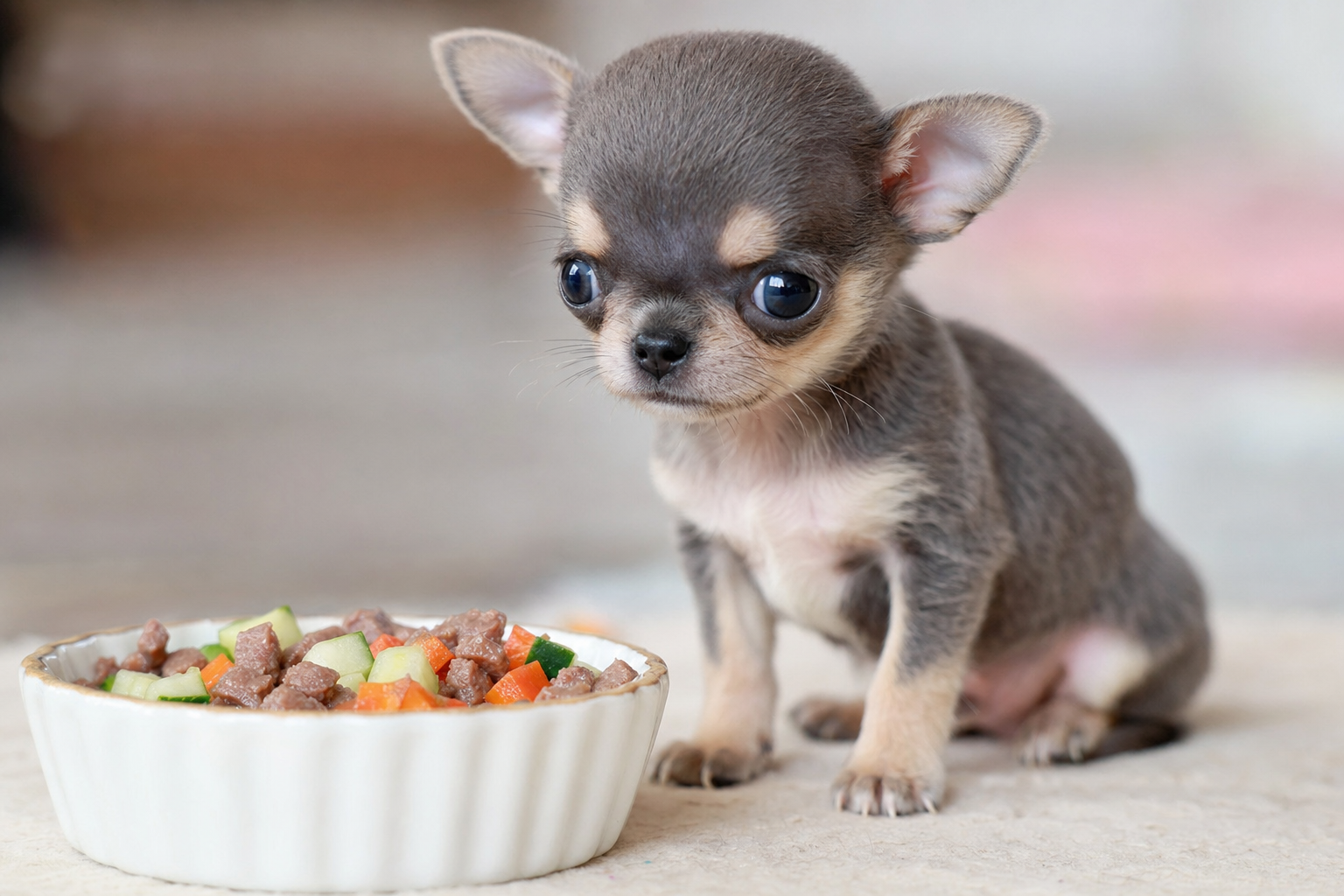
LOS ANGELES — As autumn begins, veterinary nutritionists and reputable Chihuahua breeders are emphasizing the critical importance of diet consistency and hypoglycemia awareness for the breed's smallest members, including Teacup and Apple Head Chihuahuas.
What's new today
The prevailing guidance for Fall 2026 centers on managing the Chihuahua's uniquely fast metabolism. Unlike larger breeds that may thrive on two meals a day, Chihuahuas, especially puppies under one year, require small, frequent feedings to maintain stable blood sugar levels. Current recommendations from veterinary sources highlight the dangers of hypoglycemia (low blood sugar), a condition that can quickly become life-threatening in a tiny Chihuahua puppy. The risk is highest in the morning after a long night without food.
Consequently, the focus has shifted towards creating a rigid feeding schedule and selecting appropriate, high-quality food. The consensus among breeders is to use a calorie-dense kibble specifically formulated for toy or small breeds. These foods feature smaller kibble sizes for tiny mouths and a higher concentration of protein and fat to provide sustained energy. There is also a growing emphasis on educating new owners about recognizing the early signs of hypoglycemia—lethargy, stumbling, and disorientation—and knowing how to intervene immediately.
Hydration is another key area of focus. With the dry air of fall and indoor heating becoming more common, ensuring constant access to fresh, clean water is paramount. Dehydration can exacerbate other health issues and impact digestion, making it a simple but vital component of overall nutritional health for your Chihuahua.
Key takeaways
- Frequent Meals Are Non-Negotiable: Chihuahua puppies should eat 3-4 small meals per day. Adults may transition to 2-3 meals, but free-feeding is often discouraged due to the risk of both obesity and hypoglycemia.
- High-Quality Food is Essential: Select a premium small-breed formula with high protein and fat content. Avoid foods with cheap fillers like corn, wheat, and soy.
- Hypoglycemia is a Real Danger: Understand the symptoms (lethargy, weakness, stumbling, seizures) and always have a high-calorie supplement like Nutri-Cal on hand for emergencies.
- Hydration is Crucial: Ensure a shallow, clean bowl of fresh water is always available. Some Chihuahuas may prefer running water from a pet fountain.
- Treats in Moderation: Treats should make up no more than 10% of your dog's daily caloric intake. Opt for healthy, single-ingredient treats.
- Veterinarian Partnership: Your veterinarian is your best resource for creating a diet plan tailored to your specific Chihuahua's age, weight, and activity level.
What it means for Chihuahua owners
For anyone who has recently brought home a chihuahua puppy, establishing a feeding routine from day one is the most practical step you can take. Use a measuring cup to ensure you're providing a consistent amount of food at each meal, and set alarms to maintain a strict schedule. This is especially vital for teacup chihuahua puppies, whose tiny size makes them exceptionally vulnerable to blood sugar fluctuations.
When you buy chihuahua puppy from a breeder, they should provide you with a sample of the food the puppy is currently eating. It is critical to continue this diet and only transition to a new food gradually over 7-10 days by mixing the old and new foods. A sudden diet change can cause significant gastrointestinal upset. For owners searching for chihuahua puppies for sale Los Angeles, it's important to discuss the breeder's current feeding protocol and nutrition philosophy to ensure a smooth transition.
Finally, be an observant owner. Monitor your Chihuahua's energy levels, stool consistency, and appetite. Any sudden changes warrant a discussion with your veterinarian. This proactive approach to nutrition is the foundation of a long, healthy life for your companion.
What is the difference between an apple head and deer head Chihuahua?
The primary difference is head shape, as defined by breed standards. An Apple Head Chihuahua has a round, broad head with a short muzzle meeting the skull at a 90-degree angle, which is the conformation favored in show rings. A Deer Head Chihuahua has a longer muzzle, more sloping forehead, and larger ears, resembling a young deer. While both can be purebred Chihuahuas, the Apple Head is the breed standard.
How much does a teacup Chihuahua cost?
The cost of a Teacup Chihuahua can vary significantly based on the breeder's reputation, the puppy's lineage, size, and coloration. Prices reflect the extensive care, health screening, and investment required to raise these exceptionally small dogs. For specific pricing information, please see our /chihuahua-puppy-prices page.
How do I know a Chihuahua breeder is legitimate?
A legitimate chihuahua breeder will be transparent, knowledgeable, and prioritize the health of their dogs. They should welcome questions, provide health records, and allow you to see where the puppies are raised. A reputable breeder will also offer a comprehensive health guarantee, like the one detailed on our /health-guarantee page.
Expert tips from our breeder
- Emergency Sugar Source: Always keep a tube of a high-calorie nutritional supplement (like Nutri-Cal or a similar product) on hand. If you see any signs of hypoglycemia, rubbing a small amount on the puppy's gums can quickly raise their blood sugar while you contact your vet.
- Food Choice Philosophy: We recommend feeding a high-quality, grain-inclusive or grain-free kibble formulated for toy breeds. Brands that consistently perform well in veterinary and owner reviews include Royal Canin Chihuahua formula, Hill's Science Diet Small Paws, and Fromm Gold Small Breed.
- Water Bowl Wisdom: Use a shallow, heavy ceramic bowl for water. It's harder for a tiny puppy to tip over and the shallow depth reduces the risk of an accidental fall or aspiration.
- Transition Slowly: When changing your Chihuahua's food, do it over at least a week. Start with 75% old food and 25% new food, and gradually shift the ratio every couple of days until you are at 100% new food.
- Healthy Treat Hacks: Break single-ingredient freeze-dried treats (like chicken breast or beef liver) into tiny, pea-sized pieces. They are high-value for training but low in unnecessary calories.
This article is for educational purposes only and is not a substitute for professional veterinary advice. Always consult your veterinarian to make decisions about your Chihuahua's health and diet.
Sources & further reading
- AKC - Chihuahua Breed Information
- AVMA - Pet Food Safety
- Cornell University College of Veterinary Medicine - Hypoglycemia
Explore our available chihuahua puppies or contact us to learn more about our breeding program.