Chihuahua Nutrition Update: August 2026 Guide to Feeding & Hypoglycemia
Wednesday, August 26, 2026 · World Class Puppies Newsroom
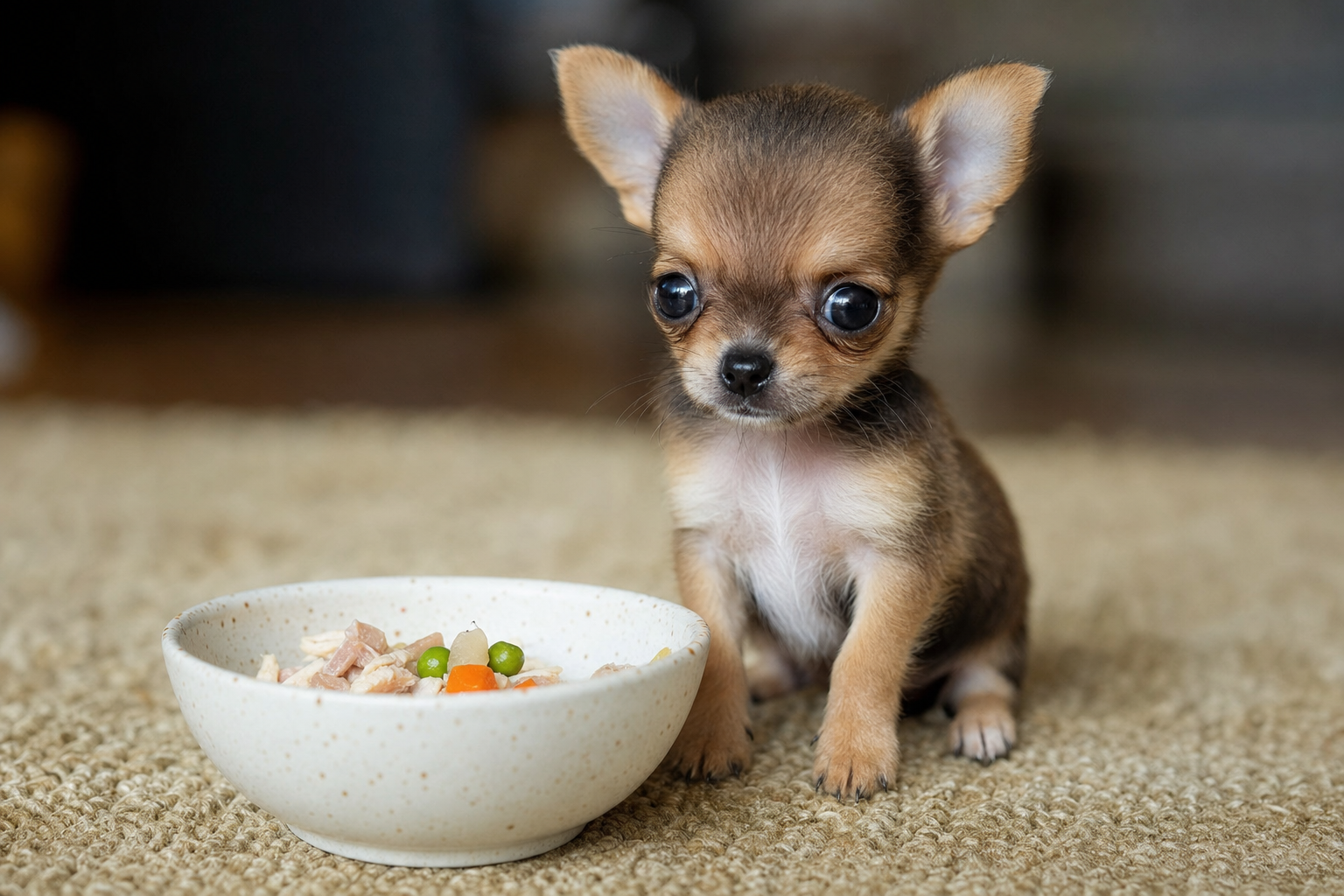
A single JSON object is the only valid output. BEVERLY HILLS, CA — As of August 25, 2026, veterinary nutritionists and leading Chihuahua breeders are doubling down on the importance of frequent, calorie-dense meals to prevent hypoglycemia in puppies, especially Teacup and other miniature varieties.
What's new today
This month, the conversation around Chihuahua puppy care is heavily focused on nutrition, with a renewed emphasis on preventing hypoglycemia (dangerously low blood sugar). Unlike larger breeds that can handle structured meal times from a young age, veterinary guidance increasingly favors free-feeding for Chihuahua puppies, particularly those under 16 weeks or weighing less than two pounds. The consensus is that their tiny bodies have minimal fat reserves and can't store glucose effectively, making them highly susceptible to energy crashes between meals.
Leading dog-care publications and breeder forums are highlighting the need for foods specifically formulated for toy or small-breed puppies. These formulas are more calorie-dense and feature smaller kibble sizes that are easier for a Chihuahua puppy to chew and digest. The latest trend is to look for diets rich in high-quality animal protein and healthy fats, which provide sustained energy. There's also a growing awareness around hydration, as dehydration can exacerbate the risk of hypoglycemia.
Guidance from organizations like the American Kennel Club (AKC) consistently reinforces that a well-fed Chihuahua is a healthy Chihuahua. The current focus is proactive, aiming to educate new owners before a hypoglycemic event occurs. This August, the message is clear: understanding the unique metabolic needs of a Teacup Chihuahua or Apple Head Chihuahua is not optional—it's a fundamental part of responsible ownership.
Key takeaways
- Hypoglycemia is a primary concern: For any
miniature Chihuahua, especially puppies, low blood sugar is a life-threatening emergency. Constant access to food is critical in the early months. - Free-feeding is often recommended: Many veterinarians and experienced breeders suggest leaving high-quality puppy kibble out 24/7 for Chihuahuas under 4 months of age.
- Calorie density is key: Choose a premium, small-breed puppy food with high protein and fat content to provide sustained energy.
- Hydration is crucial: Ensure fresh, clean water is always available. Some puppies may be encouraged to drink more if water is added to their kibble.
- Scheduled meals come later: As a puppy matures (around 4-6 months), they can typically transition to a schedule of 3-4 small meals per day.
- Treats in moderation: Treats should be tiny, high-value, and account for no more than 10% of the daily caloric intake to avoid unbalancing their diet.
What it means for Chihuahua owners
For those who own or are looking for Chihuahua puppies for sale, this nutritional guidance is paramount. The first few months are a critical window for development and establishing healthy habits. Owners should be prepared to manage their puppy's diet meticulously. This means resisting the temptation to feed table scraps, which can cause digestive upset and pancreatitis, and understanding the signs of hypoglycemia: lethargy, weakness, stumbling, shivering, and in severe cases, seizures.
Practically, this involves keeping a high-calorie nutritional supplement (like Nutri-Cal or a similar product) on hand for emergencies. If a puppy appears lethargic or refuses to eat, rubbing a small amount on their gums can help raise their blood sugar quickly while you contact your veterinarian. It also means choosing the right food is one of the most important decisions you'll make. Don't be swayed by marketing alone; read the ingredient list and guaranteed analysis on the food bag.
How do I know a Chihuahua breeder is legitimate?
A legitimate Chihuahua breeder will be an open book about their nutritional program. They will eagerly discuss the specific food their puppies are eating, explain their feeding schedule (or free-feeding protocol), and educate you thoroughly on preventing hypoglycemia. They should provide a starter bag of the current food to ensure a smooth transition and will prioritize the puppy's health above all else. A breeder who is vague about diet or dismisses concerns about low blood sugar is a major red flag.
What should I ask a Chihuahua breeder before buying?
When you buy a Chihuahua puppy, ask pointed questions about their diet. Inquire about the exact brand and formula of food the puppy is on. Ask how often they eat and how much. You should also ask what type of nutritional supplements, if any, they recommend for a tiny puppy and what signs of hypoglycemia you should watch for. A great breeder will appreciate these questions as it shows you are a responsible and prepared future owner.
Is a micro teacup Chihuahua a real size?
While terms like "micro" and "teacup" are commonly used marketing descriptions for smaller-than-average Chihuahuas, they are not official AKC size classifications. A micro teacup Chihuahua is simply a particularly small Chihuahua. These exceptionally tiny dogs require extreme vigilance with their diet, as their risk for life-threatening hypoglycemia is even higher. Their minuscule stomachs can't hold much food, making constant access to calories an absolute necessity for survival and healthy development.
Expert tips from our breeder
- Start with a premium food: We recommend brands like Royal Canin Chihuahua Puppy or Hill's Science Diet Small Paws Puppy. Always transition a puppy to a new food gradually over 7-10 days.
- Soften the kibble: For very young puppies (8-12 weeks), it's a good practice to moisten their dry kibble with a little warm water. This enhances the aroma and makes it easier to chew.
- Keep a supplement on hand: Always have a tube of a high-calorie dietary supplement available. This is not a food replacement but an emergency tool for a puppy that seems weak or has gone too long without eating.
- Use healthy treats for training: For training, use tiny pieces of freeze-dried chicken or commercial treats designed for toy breeds. Avoid anything high in sugar or fillers.
- Monitor water intake: Use a shallow, heavy bowl that can't be tipped over. Ensure the water is changed daily to keep it fresh and appealing.
This article is for educational purposes only. It is not a substitute for professional veterinary advice. Always consult with your veterinarian to make decisions about your Chihuahua's health and dietary needs.
Sources & further reading
- American Kennel Club - Chihuahua Breed Information
- American Veterinary Medical Association (AVMA) - Pet Nutrition Resources
- VCA Animal Hospitals - Hypoglycemia in Dogs
Explore our available Chihuahua puppies for sale or contact us to learn more about our breeding program.