November 1 Chihuahua Training Brief: Make Recall Worth Returning
Monday, November 2, 2026 · World Class Puppies Newsroom
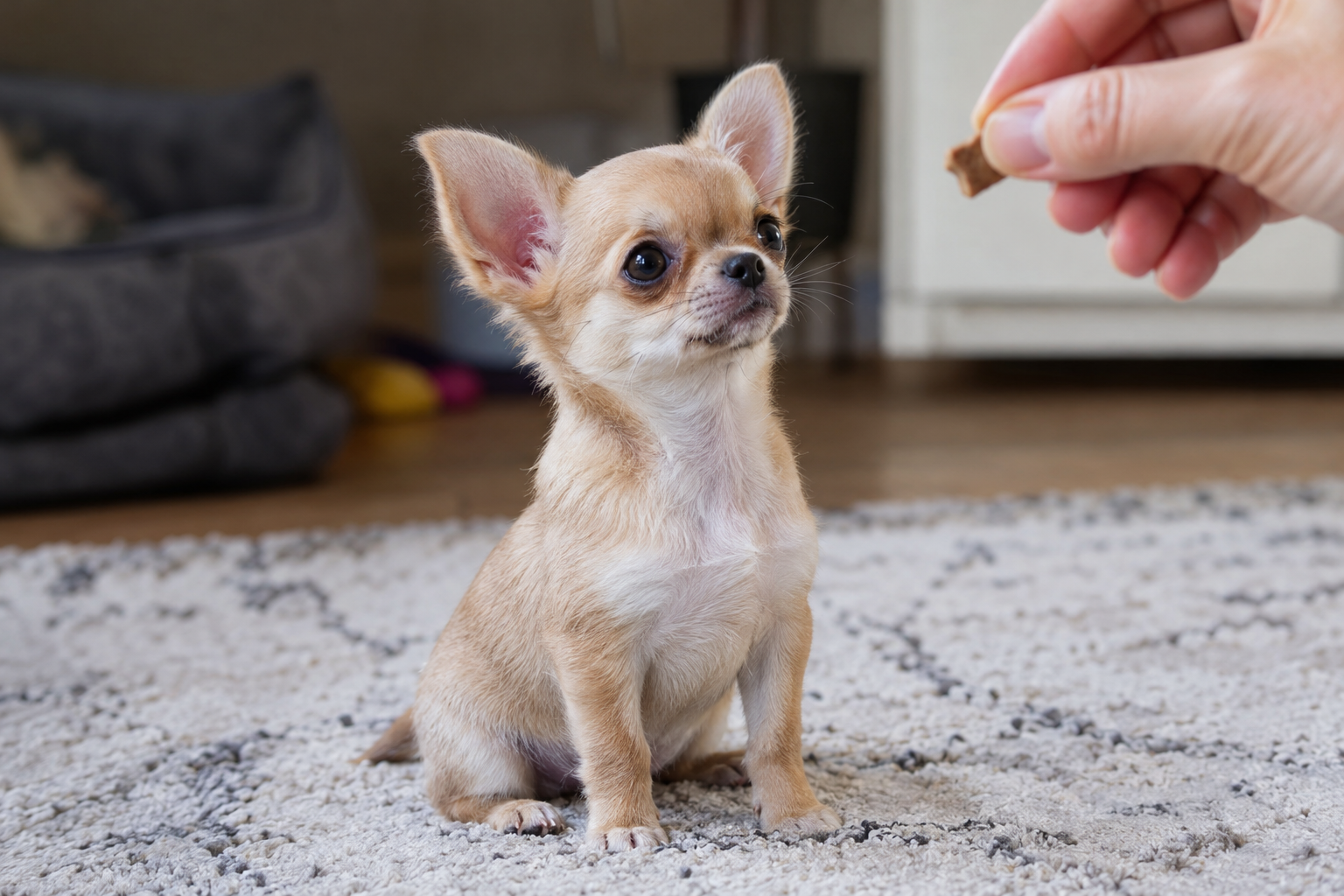
November 1, 2026 — Sunday's Chihuahua training briefing puts a November priority in focus: reward voluntary returns and manage distractions instead of testing recall beyond a puppy's current skills.
Today's owner briefing
For Chihuahua owners, the useful training update this week is a reset in expectations, not a newly announced technique. November can bring changing daylight, different walking routines, and more activity around household entrances. Those changes can make a familiar recall cue harder to follow. A successful response in a quiet kitchen does not establish that the same cue will work beside an open doorway.
The sources linked below provide established guidance, not evidence of a new November announcement. AVSAB's humane-training position supports reward-based methods and advises against aversive methods. AKC training resources offer practical instruction on building everyday skills. AVMA socialization guidance emphasizes positive experiences suited to the individual animal. Together, these resources support a practical Chihuahua training angle: arrange situations in which returning is achievable, rewarding, and safe.
That distinction matters when recall becomes frustrating. Repeating a cue while a Chihuahua watches something exciting is not the same as teaching a response. Neither is pulling a puppy toward you and treating the movement as a voluntary return. Instead, reduce the challenge: use a quieter space, begin closer together, and remove competing activity before trying again.
How do you train a Chihuahua to come when called?
Start in a quiet, secure space, use a consistent recall cue when your Chihuahua is likely to respond, and reward the arrival promptly. Keep your posture inviting and avoid grabbing or scolding after the puppy reaches you. Build difficulty gradually rather than changing distance, surroundings, and distractions at once.
A useful rehearsal starts with your Chihuahua nearby and already able to notice you. Give the cue once, then make arriving worthwhile with a suitable reward or a favorite brief game. End while the puppy remains engaged. Sometimes allow a return to safe sniffing afterward, so coming back does not always predict the end of an enjoyable activity.
Why does my Chihuahua ignore me outside?
Outdoor smells, sounds, movement, or uncertainty can compete with a cue that is still being learned. A Chihuahua may also understand the behavior in one setting without reliably performing it elsewhere. Treat a missed response as information about the setup, not proof of stubbornness, and make the next repetition easier.
Choose a familiar, enclosed area for early outdoor practice, with a leash as an additional safeguard where appropriate. Keep the leash from tangling around legs or nearby objects, and do not jerk it to force a return. If your Chihuahua freezes, repeatedly tries to leave, or cannot disengage from something nearby, pause the exercise and increase space from the distraction.
Can a Chihuahua be trusted off leash?
Recall practice does not guarantee that a Chihuahua will return in every situation. Use secure fencing or an appropriate leash rather than relying on a training cue near traffic, open exits, or other hazards. Reliability should be developed under controlled conditions, not tested by removing the safety backup.
Socialization belongs in this plan, but it is not a requirement to approach every person or investigate every sound. Watching from a comfortable distance can give a Chihuahua room to learn without losing the ability to respond. When an outing becomes overwhelming, the priority is a safe retreat, not one more recall attempt.
Key takeaways
- Reward the return itself; never punish a Chihuahua after coming back.
- Practice where success is likely before adding distracting environments.
- Change one difficulty at a time, such as distance or nearby activity.
- Keep physical safeguards in place; a recall cue is not a barrier.
- Use missed responses to adjust the setup rather than repeat the cue more loudly.
What it means for Chihuahua owners
For this week's practice, choose one familiar cue and one manageable location. Agree on the cue with everyone handling your Chihuahua, and keep rewards accessible before starting. Notice the conditions around each response: where you stood, what was happening nearby, and whether the puppy appeared relaxed. Those observations are more useful than labeling a whole session good or bad.
Keep everyday handling separate from high-pressure tests. If you need to leave immediately, calmly use your existing safe management routine rather than issuing repeated recall cues that you cannot reinforce. During practice, vary what follows a successful arrival: a reward, quiet attention, or permission to resume a safe activity. Returning should remain worthwhile even when there is something else interesting to do.
A sudden behavior change deserves a different response from an ordinary training setback. If your Chihuahua newly avoids movement, seems uncomfortable with handling, or stops responding to familiar sounds, discuss those observations with your veterinarian rather than assuming the puppy needs firmer training.
Questions for your veterinarian
- Could a new reluctance to move or approach warrant a health assessment before increasing training demands?
- What exposure settings are appropriate for my Chihuahua puppy's individual health circumstances?
- How can training rewards fit into my Chihuahua's existing feeding plan?
- When should persistent fear or defensive behavior prompt a referral for qualified behavioral support?
Sources & further reading
- AVSAB position statements: humane dog training
- AKC training guidance and owner resources
- AVMA guidance on socialization
This article is for educational purposes only and is not a substitute for individualized veterinary advice, diagnosis, or treatment. Consult your own veterinarian about your Chihuahua's health and behavior.
Explore Chihuahua puppies or contact World Class Puppies with questions.