November 2 Chihuahua Puppy Briefing: Confidence Before Crowds
Tuesday, November 3, 2026 · World Class Puppies Newsroom
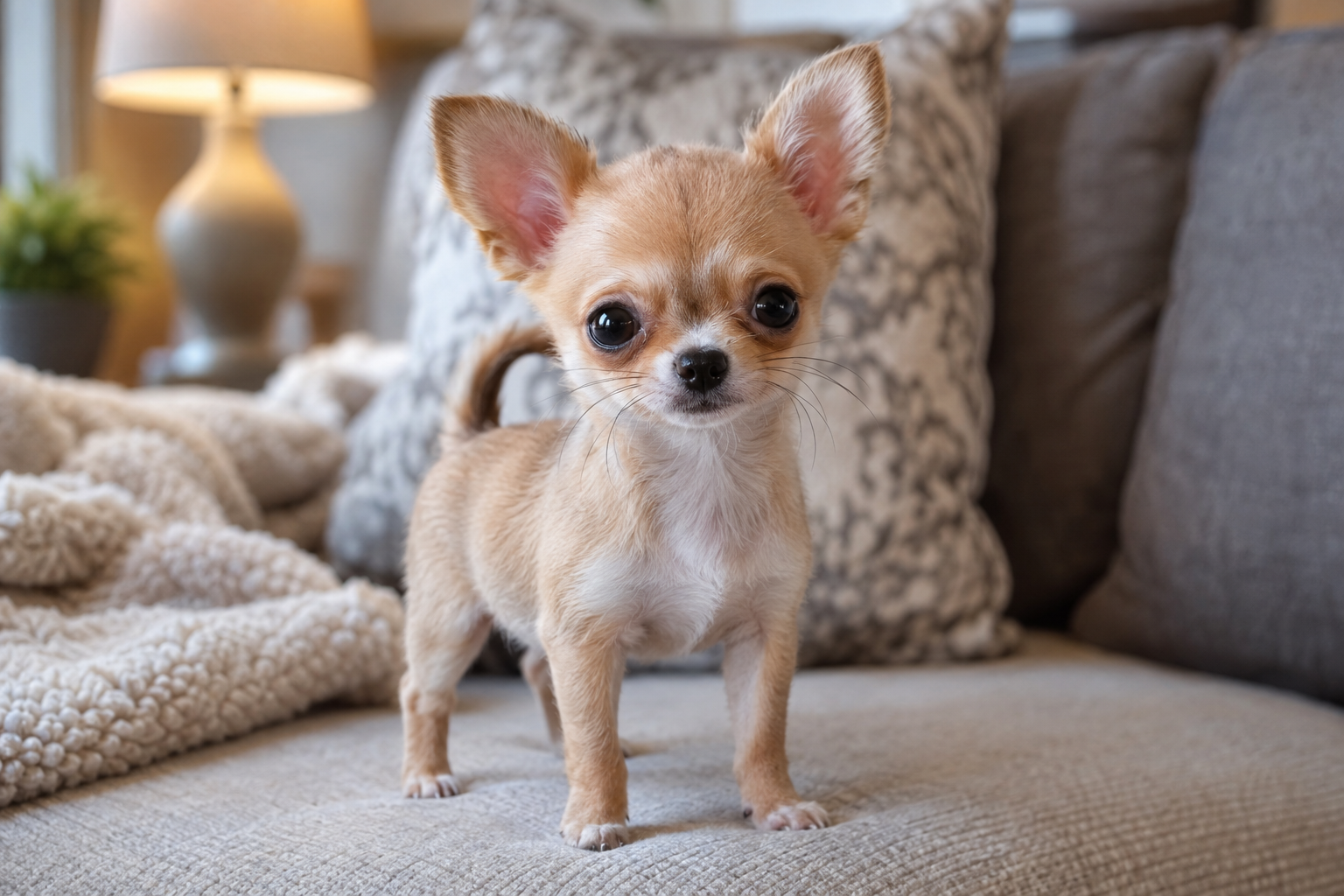
Monday, November 2, 2026 — Today's Chihuahua puppy-life briefing puts manageable introductions, voluntary exploration, and recovery ahead of a packed November social calendar.
Today's owner briefing
As November begins, changing household routines can create new learning opportunities for Chihuahua puppies: a coat rustling near the door, a visitor settling into a chair, or furniture moving before a gathering. The useful question is not how many unfamiliar things a puppy encounters. It is whether those experiences remain comfortable enough for the puppy to learn.
This briefing applies established public guidance to the coming month; it does not report a newly released study or verified change in recommendations. The American Veterinary Society of Animal Behavior's puppy-socialization guidance emphasizes early, safe exposure without excessive fear, withdrawal, or avoidance. Its humane-training guidance supports reward-based methods. Together, those principles favor thoughtful introductions rather than forced participation.
AKC Chihuahua breed information provides another useful reference for understanding the breed and its care needs. But a breed profile cannot tell an owner how a particular puppy will respond to today's visitor. Individual behavior should guide the difficulty of an introduction, rather than expectations attached to size, appearance, or a confident moment yesterday.
How do I socialize my Chihuahua puppy?
Offer manageable opportunities to observe unfamiliar people, sounds, surfaces, and everyday activities, while allowing your Chihuahua puppy to move away. Pair comfortable participation with something the puppy enjoys, and avoid holding the puppy in place for greetings. Ask your veterinarian which environments and contact arrangements are appropriate for your puppy's health circumstances.
A household introduction might begin with a visitor sitting quietly while the puppy watches from a familiar area. The visitor does not need to reach, call repeatedly, or pick the puppy up. Approaching voluntarily is useful information; remaining comfortably at a distance can also be a successful experience.
When should I start socializing my Chihuahua puppy?
Socialization matters during early puppy development, so discuss safe opportunities with your veterinarian promptly rather than assuming every experience must wait. AVSAB guidance supports appropriate early socialization alongside attention to health protection. That does not make every public space suitable, and a puppy's individual circumstances should shape the plan.
Owners sometimes treat socialization as a choice between complete isolation and busy outings. There is a middle ground: watching ordinary household activity, hearing manageable everyday sounds, and meeting carefully selected visitors under appropriate conditions. The objective is useful familiarity, not maximum contact.
How can I tell if my Chihuahua puppy is overwhelmed?
Look for changes such as repeated attempts to retreat, freezing, trembling, or an abrupt loss of interest in an activity the puppy normally enjoys. No single behavior proves a diagnosis, and context matters. Reduce the challenge, provide a quiet exit, and seek veterinary advice about persistent, sudden, or concerning changes.
Quietness alone is not a reliable measure of confidence. A puppy that stays motionless while being passed between visitors may not be comfortable. Watch whether the puppy can choose where to stand, disengage, and return to ordinary activities afterward.
Key takeaways
- Make comfortable participation the goal, rather than counting greetings or outings.
- Preserve an exit route during introductions; retreat should not trigger chasing or restraint.
- Treat early socialization and health protection as a planning discussion with your veterinarian.
- Notice behavior before, during, and after an experience, not just whether the puppy barked.
- Adjust November routines around the individual Chihuahua puppy instead of expecting steady progress every day.
What it means for Chihuahua owners
For this week's household planning, change one manageable feature at a time. If a visitor is unfamiliar, keep the setting familiar and avoid adding several other distractions. Give the puppy access to a resting area that visitors leave undisturbed. There is no need to wake a sleeping puppy or bring it into a gathering simply to create a socialization opportunity.
Keep a short observation note rather than a milestone scorecard. Record the situation, the puppy's response, and what happened when more space became available. Notes such as “watched from the doorway, approached briefly, then settled” describe behavior more clearly than “was good.” They also make it easier to identify whether a particular sound, handling action, or setting repeatedly causes difficulty.
Progress does not require a more demanding challenge at every attempt. Repeating an easy, comfortable experience can be worthwhile. If your Chihuahua puppy struggles, simplify the next introduction rather than testing whether the puppy will tolerate more. Never assume a sudden behavior change is merely a training issue; physical discomfort and illness belong in the veterinary discussion.
Questions for your veterinarian
Bring observations and existing records so the conversation can address your puppy rather than a generic checklist. Useful discussion points include:
- Which introductions and environments fit my Chihuahua puppy's current health status?
- What precautions should apply to visitors, shared spaces, and contact with unfamiliar animals?
- Which behavior changes warrant an examination rather than simply an easier activity?
- What should I record if my puppy repeatedly freezes, retreats, or avoids handling?
- Would additional reward-based behavior support be appropriate for the difficulties I am observing?
Sources & further reading
Educational disclaimer: This article is for general educational purposes only and is not veterinary advice. Consult your own veterinarian about your Chihuahua's health and individual care.
Explore Chihuahua puppies or contact us with questions about puppy ownership.