November 3 Chihuahua Feeding Briefing: Labels, Meals and Water
Wednesday, November 4, 2026 · World Class Puppies Newsroom
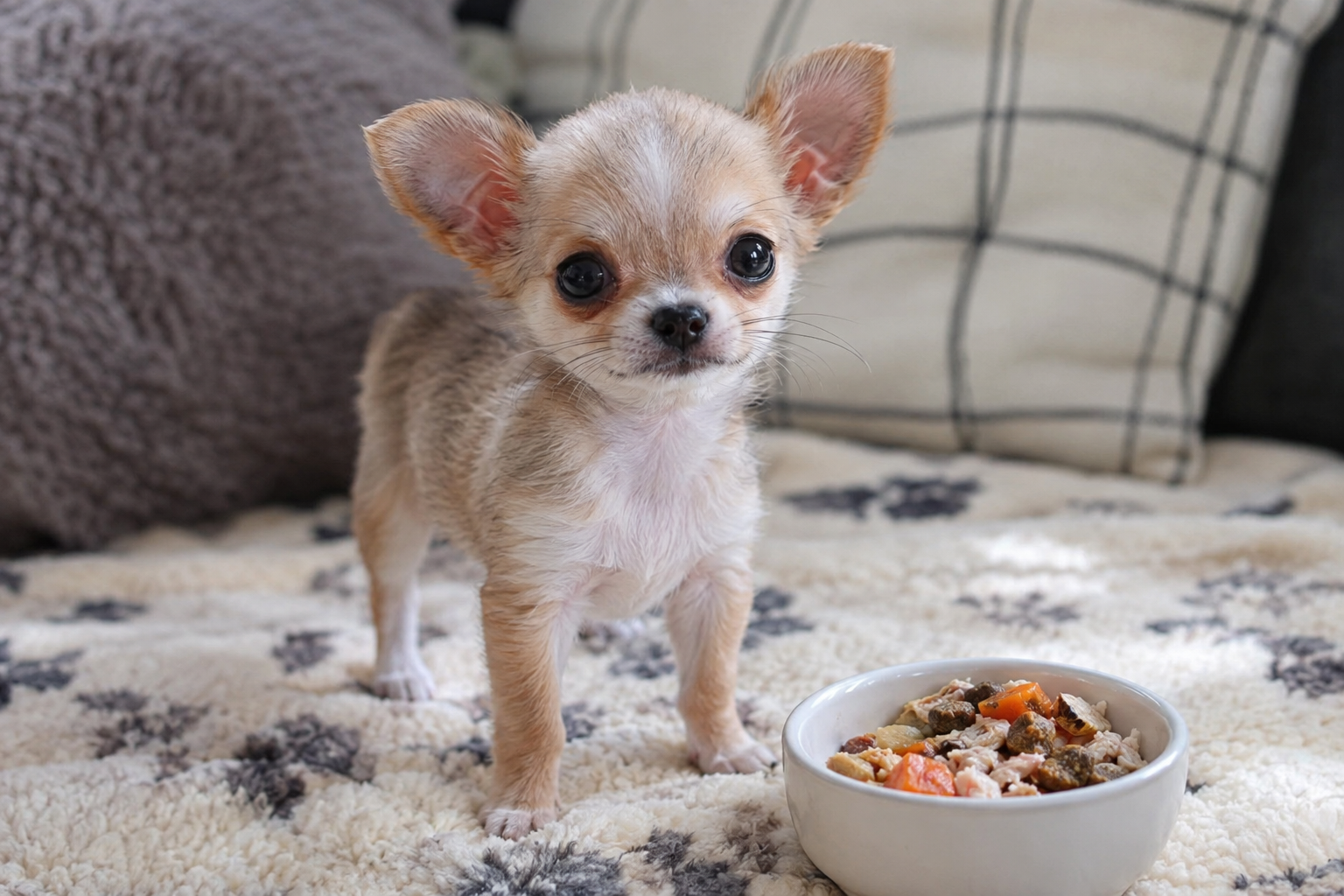
November 3, 2026 — Today's Chihuahua nutrition briefing focuses on reliable meal access, meaningful food-label checks and recognizing when appetite changes need veterinary attention.
Today's owner briefing
November is a useful time to review how your Chihuahua's feeding routine works in practice, especially when household commitments change. The important question is not simply whether food was offered, but whether your puppy could comfortably reach it and actually ate. A bowl placed down during a busy morning is not confirmation of a completed meal.
This is a practical review of established public guidance, not a report of a newly released November study. The linked WSAVA nutrition resources emphasize individualized nutritional assessment and evaluating food manufacturers. FDA guidance explains pet-food labeling, while AKC's Chihuahua information supplies breed-specific care context. Together, these resources support checking the whole feeding picture rather than choosing food by advertising alone.
What is the best food for a Chihuahua puppy?
There is no single best food for every Chihuahua puppy. Look for a nutritional adequacy statement appropriate to growth, then discuss the food's suitability, texture and energy density with your veterinarian. A prominent ingredient or a premium-sounding product name does not establish that a food meets your puppy's needs.
The FDA's label guidance helps distinguish a product's marketing language from its nutritional adequacy information. Products labeled for intermittent or supplemental feeding are not interchangeable with a complete daily diet. Keep a photograph of the full label so your veterinarian can review the exact product rather than work from a brand name alone.
WSAVA's resources also encourage asking manufacturers about nutritional expertise, quality control and the evidence supporting their foods. Those questions are more useful than assuming a long ingredient list or an expensive package guarantees quality. The toolkit is an evaluation aid, not a blanket endorsement of a particular Chihuahua food.
How often should a Chihuahua puppy eat?
A Chihuahua puppy's meal frequency should reflect age, size, health and ability to eat reliably. Many veterinarians suggest smaller, more frequent meals for young puppies rather than long gaps — decide with your own veterinarian. Ask for an individualized plan, including what to do if a meal is missed, rather than applying an adult Chihuahua's routine to a puppy.
Keep feeding predictable without turning a general recommendation into a rigid medical schedule. If someone else handles a meal, a brief record of what was offered and eaten can prevent both missed meals and accidental duplicate feeding. Breeder feeding notes can help document the puppy's previous routine, but they do not replace an individual veterinary assessment.
How can I help prevent low blood sugar in my Chihuahua puppy?
Reliable access to an appropriate diet and avoiding unintended meal gaps can help reduce feeding-related risk, but they cannot guarantee prevention. Ask your veterinarian whether your Chihuahua puppy has particular risk factors and request a written response plan for poor intake. Weakness, trembling, disorientation, collapse or seizures require urgent veterinary attention; these signs are not specific enough to diagnose low blood sugar at home.
Do not treat a missed meal as a reason to experiment with supplements or internet remedies. The puppy's age, overall condition and accompanying signs affect how urgently the situation needs assessment. Do not force food or water into a Chihuahua that is collapsed, seizing or unable to swallow normally.
Do Chihuahua treats count toward daily food intake?
Yes: treats, training rewards and edible chews contribute to your Chihuahua's total intake. Record them alongside meals so your veterinarian can assess the complete diet, rather than just the food in the bowl. Ask whether some of the usual food can serve as rewards without compromising planned meals.
Water deserves the same practical attention. Keep fresh water accessible and check that the bowl's placement and shape allow comfortable drinking. If drinking habits change noticeably, record the change and contact your veterinarian instead of assuming food or seasonal weather explains it.
Key takeaways
- Confirm that your Chihuahua actually eats; offering a meal is only the first step.
- Check nutritional adequacy and life-stage suitability before relying on package claims.
- Build a veterinarian-guided meal plan rather than copying a universal puppy timetable.
- Include treats and edible extras when reviewing total intake.
- Keep fresh water accessible and take appetite changes or sudden weakness seriously.
What it means for Chihuahua owners
This week, review one ordinary day of feeding. Note the exact food, the amount offered, what remains, treats and any difficulty reaching or using the bowls. A simple record is more useful than a complicated tracking system nobody maintains. It can also reveal a household handoff problem before it becomes an established routine.
For a Chihuahua puppy arriving with breeder instructions, preserve those written details and arrange to review them with your veterinarian. Avoid changing several feeding variables at once without guidance: that makes subsequent appetite or digestive changes harder to interpret. Marketing descriptions such as Teacup Chihuahua or Miniature Chihuahua do not establish a separate nutritional standard or a dependable meal schedule.
The November priority is consistency, not novelty. Before buying a different food because it is promoted as newer or better, ask what problem the change is intended to solve. When appetite, weight or drinking changes, an individualized assessment matters more than following a general feeding article.
Questions for your veterinarian
- Does this food's adequacy statement match my Chihuahua's current life stage?
- What meal pattern fits this puppy, and what should trigger a call after poor intake?
- Which signs mean we should seek emergency care without waiting?
- How should treats fit into the overall feeding plan?
- What appetite, weight and water-intake notes would be most useful at our next review?
Sources & further reading
- WSAVA Global Nutrition Guidelines and nutrition toolkit
- FDA: Pet Food Labels — General
- AKC: Chihuahua breed information
Educational disclaimer: This article provides general educational information, not veterinary diagnosis or treatment. Decide on feeding and health care with your own veterinarian; seek urgent veterinary care for concerning symptoms.
Explore Chihuahua puppies or contact World Class Puppies.