Chihuahua Feeding Briefing: November 1 Clock-Change Checks
Sunday, November 1, 2026 · World Class Puppies Newsroom
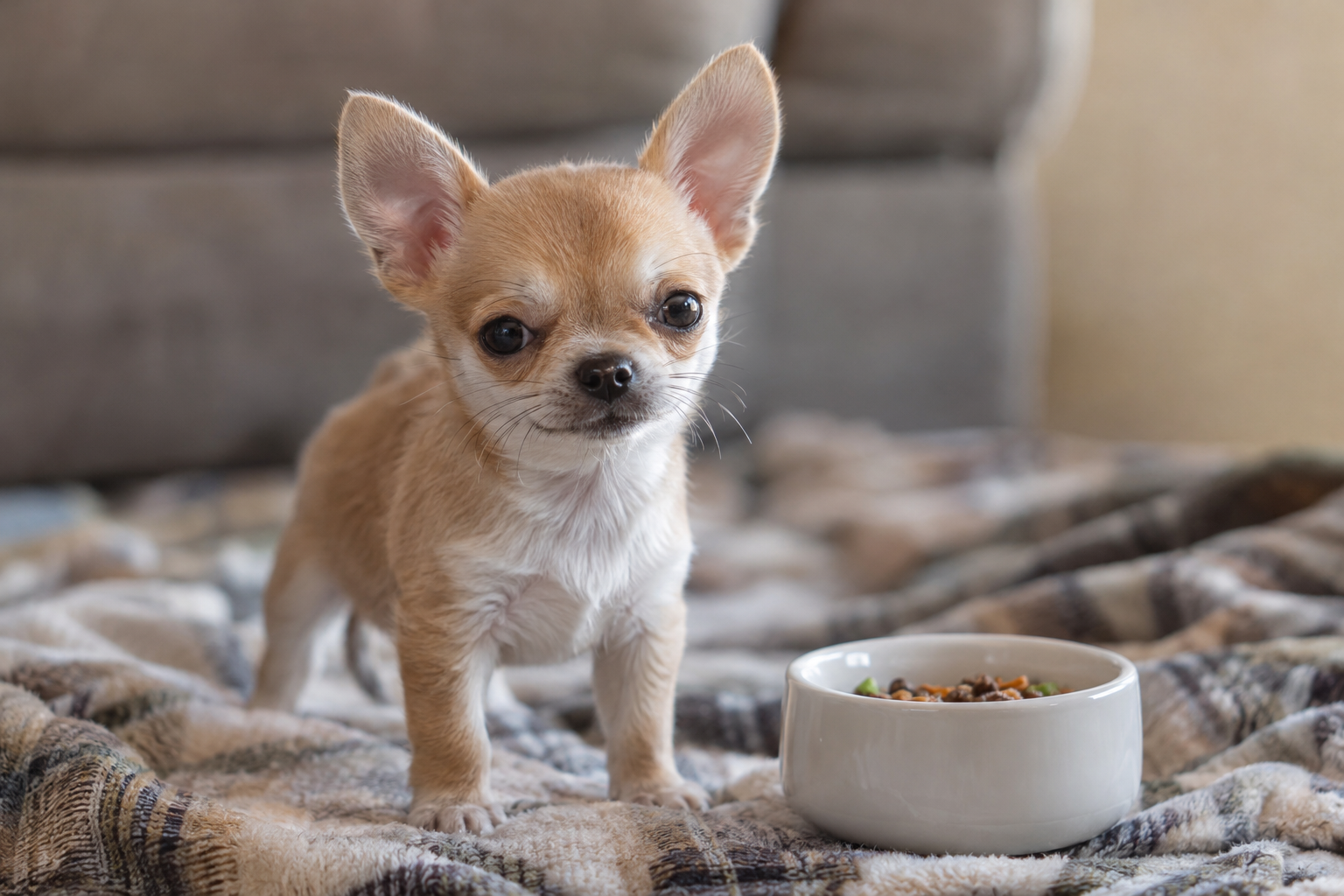
Sunday, November 1, 2026 — Today's Chihuahua nutrition briefing focuses on keeping meal routines dependable as November begins, checking food claims and recognizing appetite changes that deserve veterinary attention.
Today's owner briefing
For households changing their clocks today, the useful nutrition question is not which new food to buy. It is whether a Chihuahua's familiar meal pattern will remain predictable. A clock adjustment can change the elapsed time between meals even when the numbers on the kitchen clock look familiar.
This is a seasonal care review, not a report of a newly released study. The public resources below provide established nutrition and safety guidance; they do not establish a new November feeding protocol. Their practical message is to evaluate the individual Chihuahua, the food's nutritional suitability and the owner's ability to maintain a consistent routine.
WSAVA nutrition resources emphasize nutritional assessment and informed food selection. AKC's Chihuahua care overview provides breed-specific context for appropriate nutrition and weight management. FDA guidance adds an important household warning: xylitol can cause dangerous low blood sugar and other serious harm after ingestion. These sources serve different purposes; none replaces an individual feeding plan.
How often should a Chihuahua puppy eat?
A Chihuahua puppy's meal frequency should reflect age, size, health and current food intake rather than a universal internet timetable. Many veterinarians suggest smaller, more frequent meals for young Chihuahua puppies — decide the timing and portions with your own veterinarian. Ask specifically how to handle clock changes, missed meals and caregiver handoffs without creating an unsuitable gap.
For this week's routine check, record when food is actually offered and approximately how much is eaten. A checked box marked “fed” can hide the difference between finishing a meal and taking one bite. If someone else handles a meal, leave the food label, measuring method and veterinary contact instructions together.
What is the best food for a Chihuahua puppy?
There is no single best food for every Chihuahua puppy. Start by checking that the food's nutritional adequacy statement matches growth or the life stage your veterinarian recommends, then discuss calorie density, digestibility and the manufacturer's nutrition expertise. WSAVA's food-selection resources help owners assess those questions rather than choosing by packaging or an ingredient list alone.
A breeder's written feeding information can help document what a Chihuahua puppy has been eating, but it is not independent proof that a diet is appropriate indefinitely. Bring that information and the original packaging to the veterinary visit. Apple Head Chihuahua, Teacup Chihuahua and Miniature Chihuahua descriptions do not, by themselves, establish nutritional requirements or justify a particular supplement.
How can I help prevent hypoglycemia in a Chihuahua puppy?
Consistent access to the veterinarian-recommended meals and attention to actual intake can help reduce avoidable feeding gaps, but cannot guarantee prevention. Weakness, trembling, unusual sleepiness, disorientation or collapse can accompany low blood sugar or other urgent problems. Contact a veterinarian promptly for concerning signs; collapse or seizures require emergency veterinary attention rather than an online feeding remedy.
Do not wait for a routine appointment if a young Chihuahua puppy refuses food and seems unwell. Ask your veterinarian in advance for an individualized missed-meal and emergency plan, including whom to call outside normal hours. Avoid improvising sugar-based treatment or forcing food or fluids into a weak or poorly responsive puppy.
Key takeaways
- Review elapsed time between meals when household clocks or work routines change; do not substitute a generic schedule for veterinary advice.
- Check the food's life-stage suitability and calorie information before comparing marketing claims.
- Record intake, not merely whether a bowl was placed on the floor.
- Include training rewards and edible chews in the feeding discussion; treats should not crowd out nutritionally complete meals.
- Keep fresh water readily available and watch for changes in drinking as well as eating.
- Keep xylitol-containing products inaccessible, and contact a veterinarian immediately after suspected ingestion.
What it means for Chihuahua owners
Make the November reset a recordkeeping exercise before making it a diet change. Photograph the current food label, note the portion-measuring method and list everything offered between meals. Include dental chews, food used in toys and supplements. A short, factual log gives your veterinarian a clearer picture than “a little food and a few treats,” without requiring you to diagnose a nutritional problem.
Treat selection deserves particular attention after seasonal celebrations. Check labels on any human product before it comes near a Chihuahua's food or enrichment routine, especially sugar-free items and spreads. FDA guidance identifies xylitol as dangerous; suspected exposure warrants immediate professional advice even if the Chihuahua initially appears normal. Keep discarded wrappers and celebration leftovers out of reach as well.
Hydration belongs in the same review. Offer clean, accessible water and note a marked change in drinking, difficulty reaching the bowl or repeated vomiting. Wet and dry foods contribute different amounts of moisture, so bowl drinking alone does not tell the whole story. Avoid restricting water to simplify toilet training, and discuss persistent changes with your veterinarian rather than assuming November weather explains them.
Questions for your veterinarian
Bring the food packaging and intake notes, and ask:
- Does this food's adequacy statement fit my Chihuahua's current life stage and health needs?
- How should we handle a clock adjustment or caregiver change while preserving an appropriate meal pattern?
- What should I do if my Chihuahua eats only part of a meal or refuses one?
- Which warning signs require an immediate call, and what is our after-hours plan?
- How should treats and chews fit into the overall intake assessment?
- Would changes in appetite or thirst justify an examination before any food switch?
Sources & further reading
- WSAVA Global Nutrition Guidelines and nutrition resources
- AKC Chihuahua breed information and care overview
- FDA: Paws Off Xylitol; It's Dangerous for Dogs
Educational disclaimer: This article provides general educational information, not veterinary diagnosis or treatment. Decide feeding and health-care plans with your own veterinarian; seek urgent veterinary care for concerning symptoms or suspected toxin exposure.
Explore Chihuahua puppies or contact World Class Puppies with puppy inquiries.