Chihuahua Health Briefing for Sept. 2026: Vet Updates on Wellness
Friday, September 18, 2026 · World Class Puppies Newsroom
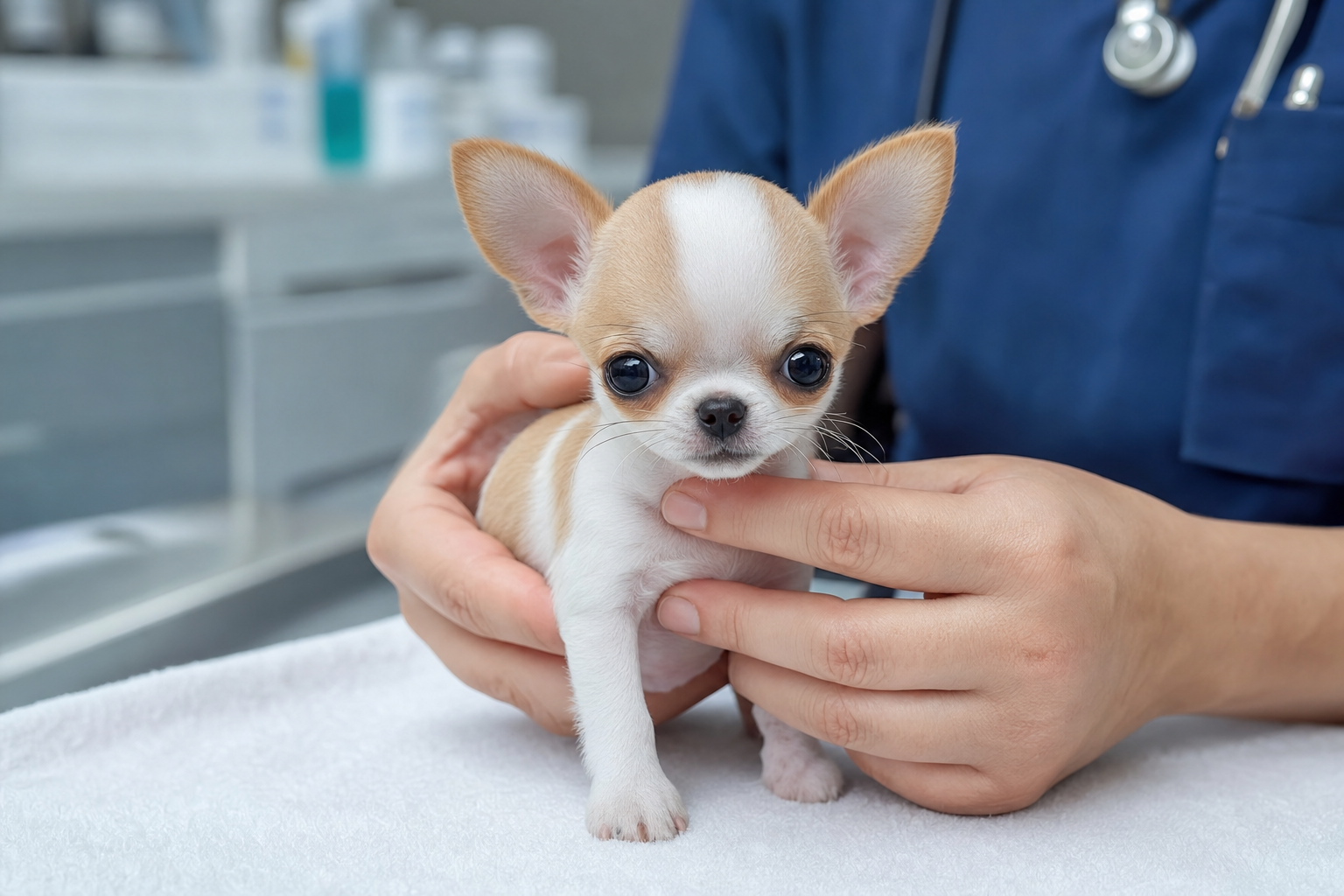
LOS ANGELES — As autumn begins, veterinary focus for Chihuahuas shifts to proactive dental care, early screening for common joint issues like patellar luxation, and updated guidance on heart health, according to a review of recent veterinary publications and breeder best practices.
What's new today
This September, the conversation around Chihuahua wellness centers on prevention and early detection. Veterinary professionals are increasingly emphasizing that the breed's impressive lifespan is closely tied to consistent, proactive care. The three pillars of focus are dental health, joint stability, and cardiac function.
Recent guidance from veterinary dental societies highlights the critical need for daily home care for Chihuahuas. Due to their small jaws and crowded teeth, they are highly susceptible to periodontal disease, which can lead to systemic health problems. The trend is moving away from reactive cleanings toward a daily prevention model.
Similarly, for orthopedic health, the focus is on early assessment for patellar luxation, a condition where the kneecap can slip out of place. Breeders and veterinarians are collaborating to identify subtle signs in Chihuahua puppies, allowing for management strategies that can delay or prevent the need for surgical intervention. This includes maintaining a lean body weight and using joint supplements as a supportive measure, a decision best made with a veterinarian.
Key takeaways
- Dental Disease is Preventable: The consensus is that daily brushing is the gold standard for preventing periodontal disease in Chihuahuas.
- Early Luxation Screening: Vets recommend checking for patellar luxation during routine puppy exams, as early management can significantly improve long-term mobility.
- Heart Health Monitoring: Regular veterinary check-ups that include listening to the heart are crucial for catching conditions like mitral valve disease early.
- Weight Management is Key: Maintaining a lean body condition is one of the most effective ways to protect a Chihuahua's joints, spine, and overall health.
- Vaccination Protocols: Many veterinarians are tailoring vaccination schedules to individual lifestyles rather than a one-size-fits-all approach. Discuss your Chihuahua's specific exposure risks with your vet.
- Mental Wellness Matters: A healthy Chihuahua is not just physically sound but also mentally stimulated. Enrichment activities remain a key part of holistic wellness.
What it means for Chihuahua owners
For owners of any Chihuahua, from a tiny Teacup Chihuahua to a robust Apple Head Chihuahua, this guidance translates into a clear action plan. First, establish a non-negotiable daily routine for tooth brushing. If you have a new Chihuahua puppy, start this process early to build a lifetime habit. Use a finger brush and enzymatic toothpaste designed for dogs.
Second, pay close attention to your dog's movement. Do they ever skip a step, hold up a back leg, or seem stiff after waking up? Mention these observations to your veterinarian. Proactive management of joint health is far more effective than reactive treatment. This is especially vital for the active, tiny frames of a Miniature Chihuahua.
Finally, never skip your annual or semi-annual veterinary wellness exams. These appointments are your best tool for early detection of heart murmurs, dental issues, and other concerns. For those looking to buy a Chihuahua puppy, partnering with a breeder who prioritizes health screening is the first step toward a long, healthy life for your new companion.
What is the difference between an apple head and deer head Chihuahua?
The primary difference lies in their head shape and body structure. An Apple Head Chihuahua, which is the breed standard recognized by clubs like the AKC, has a round, apple-shaped dome skull, a short snout, and a compact body. A Deer Head Chihuahua has a longer, more tapered muzzle, a flatter skull, and typically longer legs and a more slender body.
How do I know a Chihuahua breeder is legitimate?
A legitimate Chihuahua breeder prioritizes the health and well-being of their dogs over profit. They should be transparent, willing to answer all your questions, and provide a comprehensive health guarantee. Look for breeders who perform health screenings on their parent dogs and raise puppies in a clean, socially enriching home environment, not in cages.
Who sells Chihuahua puppies in Los Angeles?
For those seeking high-quality Chihuahua puppies in the Los Angeles area, including Beverly Hills and Bel Air, it's essential to find a specialized breeder. Reputable breeders often have a strong local presence and may offer hand-delivery services to clients in the greater Southern California region. You can start your search by looking for breeders who focus exclusively on Chihuahuas and have a history of placing healthy puppies in loving homes. World Class Puppies is a known source for Chihuahuas in Los Angeles.
Expert tips from our breeder
- Diet for Dental Health: Feed a high-quality, small-breed kibble. The abrasive action of chewing dry food can help reduce plaque buildup compared to an all-wet food diet.
- Introduce Brushing Early: Start handling your Chihuahua puppy's mouth and gums from day one. Make it a positive experience with praise, turning daily brushing into a bonding moment.
- Vet Check Schedule: We advise a wellness check with your own veterinarian within a few days of bringing your puppy home. After the initial puppy series, an annual check-up is standard, but many vets recommend semi-annual visits for Chihuahuas over the age of seven.
- Safe Exercise: Avoid letting your Chihuahua jump from high furniture. This common habit can lead to leg and back injuries. Provide pet stairs or ramps to protect their delicate joints.
- Know the Signs of Hypoglycemia: Especially in Teacup Chihuahua puppies, low blood sugar can be a concern. Be aware of signs like lethargy, weakness, or stumbling, and always have a high-calorie supplement on hand for emergencies, as directed by your vet.
This article is for informational purposes only and does not constitute medical advice. Always consult with your personal veterinarian to make decisions about your Chihuahua's health, diet, and treatment plan.
Sources & further reading
- Canine Dental Health Guidelines - American Veterinary Medical Association
- Chihuahua Breed Health Information - American Kennel Club
- Patellar Luxation in Small Dogs - American College of Veterinary Surgeons
Explore our available Chihuahua puppies or contact us with any questions. We can be reached at genasax@icloud.com or +1-840-688-0490.