Chihuahua Health Briefing for August 2026: Key Vet Updates & Wellness
Thursday, August 27, 2026 · World Class Puppies Newsroom
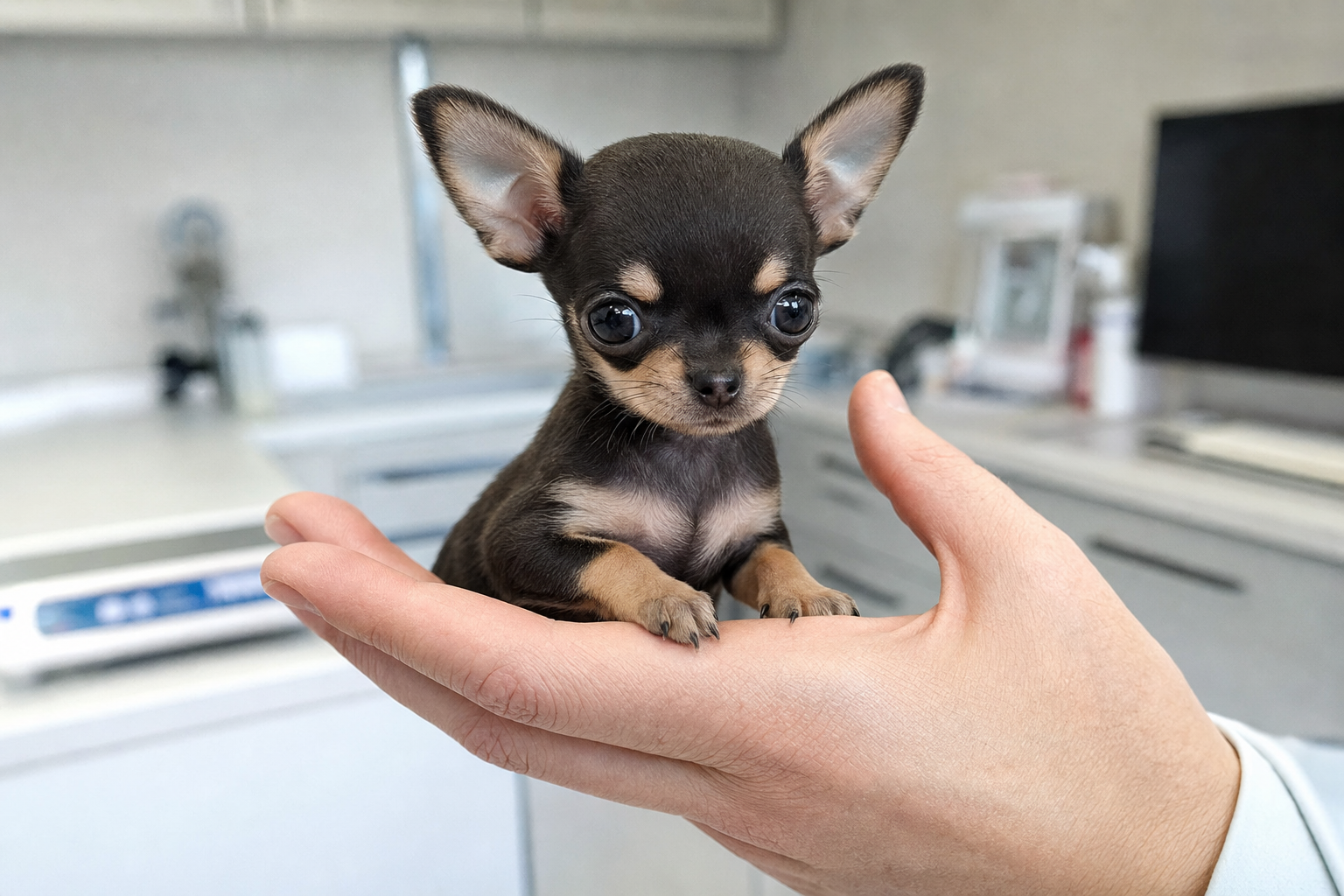
NEWSROOM BRIEFING – AUGUST 26, 2026 — Veterinary and breeder communities are emphasizing a proactive, preventative approach to Chihuahua health this season, focusing on early screening and consistent home care to manage common conditions and extend lifespan.
What's new today
As we move through late summer, the conversation around Chihuahua wellness is shifting decisively toward prevention over cure. Recent guidance from veterinary publications and breed experts highlights the importance of vigilance from puppyhood. The key areas of focus are joint stability, dental hygiene, and cardiovascular health—three pillars that significantly impact a Chihuahua's quality of life.
Veterinary sources are increasingly recommending that initial puppy check-ups include a careful evaluation for patellar luxation, a common knee issue in small dogs. The thinking is that early detection allows for management strategies that can delay or even prevent the need for future surgery. This contrasts with a more reactive approach of waiting for symptoms like limping or skipping to appear.
Similarly, the dialogue on dental care has evolved. It's no longer just about managing tartar in older dogs. The current consensus, echoed in AVMA resources, is that good dental habits must start the moment a Chihuahua puppy comes home. This includes acclimating them to tooth brushing and providing appropriate chew toys to establish a lifetime of oral health, combating the breed's predisposition to periodontal disease. For owners looking to find a healthy chihuahua puppy, asking a breeder about the dental health of the parent dogs is becoming a standard part of the vetting process.
Key takeaways
- Proactive Joint Care: The focus is on early screening for patellar luxation during puppy wellness exams, rather than waiting for clinical signs to develop.
- Lifelong Dental Hygiene: Vets are urging owners to begin dental care routines, including brushing, as soon as they bring a
chihuahua puppyhome. - Heart Health Monitoring: Regular cardiac check-ups are advised as part of routine annual exams, especially as Chihuahuas age, to catch conditions like mitral valve disease early.
- Informed Vaccination Schedules: The trend is toward tailored vaccination protocols. Owners are encouraged to have a detailed discussion with their vet about their dog's specific lifestyle and risk factors rather than following a one-size-fits-all schedule.
- Reputable Breeder Selection: Health starts before birth. Leading breeders are recognized for their commitment to health screening parent dogs for genetic conditions common to the breed.
What it means for Chihuahua owners
This renewed focus on proactive health empowers you to be your Chihuahua's best advocate. For new owners of a teacup chihuahua or apple head chihuahua, this means your first vet visit is crucial. It's an opportunity to establish a baseline for your puppy's health and discuss a long-term wellness plan. Don't be shy about asking your veterinarian to specifically check for patellar luxation and discuss the ideal timeline for dental and cardiac monitoring.
At home, your role is paramount. Integrating daily tooth brushing into your routine can save your dog from painful dental procedures down the line. Keep an eye on your Chihuahua's gait. Do they ever skip a step with a back leg or seem hesitant to jump? Mentioning these subtle signs to your vet early can make a significant difference. Choosing a high-quality diet appropriate for their tiny size and energy level also lays a foundation for robust health, supporting everything from their bones to their heart.
Ultimately, this trend means viewing your veterinarian as a partner in a long-term wellness journey. Open communication and consistent, preventative action are the most effective tools for ensuring your companion enjoys a long, vibrant, and healthy life.
How do I find a reputable Chihuahua breeder near me?
A reputable chihuahua breeder prioritizes the health, temperament, and well-being of their puppies above all else. Look for breeders who are transparent, provide comprehensive health records for both the puppy and its parents, and are willing to answer all your questions. They should welcome you to see where the puppies are raised (virtually or in person) and demonstrate a deep knowledge of the Chihuahua breed.
What should I ask a Chihuahua breeder before buying?
Before you buy a chihuahua puppy, ask critical questions. Inquire about genetic health testing performed on the parent dogs for conditions like patellar luxation and heart issues. Ask about the puppy's socialization, vaccination and deworming records, and the details of their health guarantee. A responsible breeder will provide clear answers and documentation, often available on pages like /health-guarantee.
What is the difference between an apple head and deer head Chihuahua?
The primary difference is the skull shape. The apple head chihuahua has a round, apple-domed head with a short muzzle meeting the forehead at a near 90-degree angle, which is the AKC breed standard. A deer head Chihuahua has a longer head, more sloping forehead, and a longer muzzle, resembling a young deer. While both can be wonderful pets, only the Apple Head conformation is eligible for show.
Expert tips from our breeder
- First Vet Visit: Schedule a wellness check with your own veterinarian within the first few days of bringing your puppy home. This confirms the puppy's health and establishes a relationship with your vet. Many veterinarians suggest this is a critical first step.
- Dental Care Starts Now: Use a finger brush or a very soft-bristled infant toothbrush with a vet-approved canine toothpaste to gently brush your puppy's teeth for 30-60 seconds daily. Make it a positive experience with praise.
- Watch Their Walk: Pay attention to how your puppy moves. Any consistent skipping, holding a leg up, or reluctance to play should be discussed with your veterinarian promptly.
- Nutrition is Key: Feed a high-quality small-breed puppy food. For
teacup chihuahuapuppies, multiple small meals a day are critical to prevent hypoglycemia. Discuss a feeding schedule with your veterinarian. - Vaccination Dialogue: Have an open conversation with your veterinarian about a vaccination schedule that is appropriate for your puppy's specific environment and lifestyle. A puppy that will be traveling is different from one that will mostly be at home.
This article provides general information and educational material only. It is not intended to be a substitute for professional veterinary advice, diagnosis, or treatment. Always seek the advice of your own veterinarian with any questions you may have regarding a medical condition or the health of your pet.
Explore our available chihuahua puppies for sale at /puppies or /contact us with your questions.