Chihuahua Health Hot Topics: Your July 2026 Summer Vet Update
Saturday, July 25, 2026 · World Class Puppies Newsroom
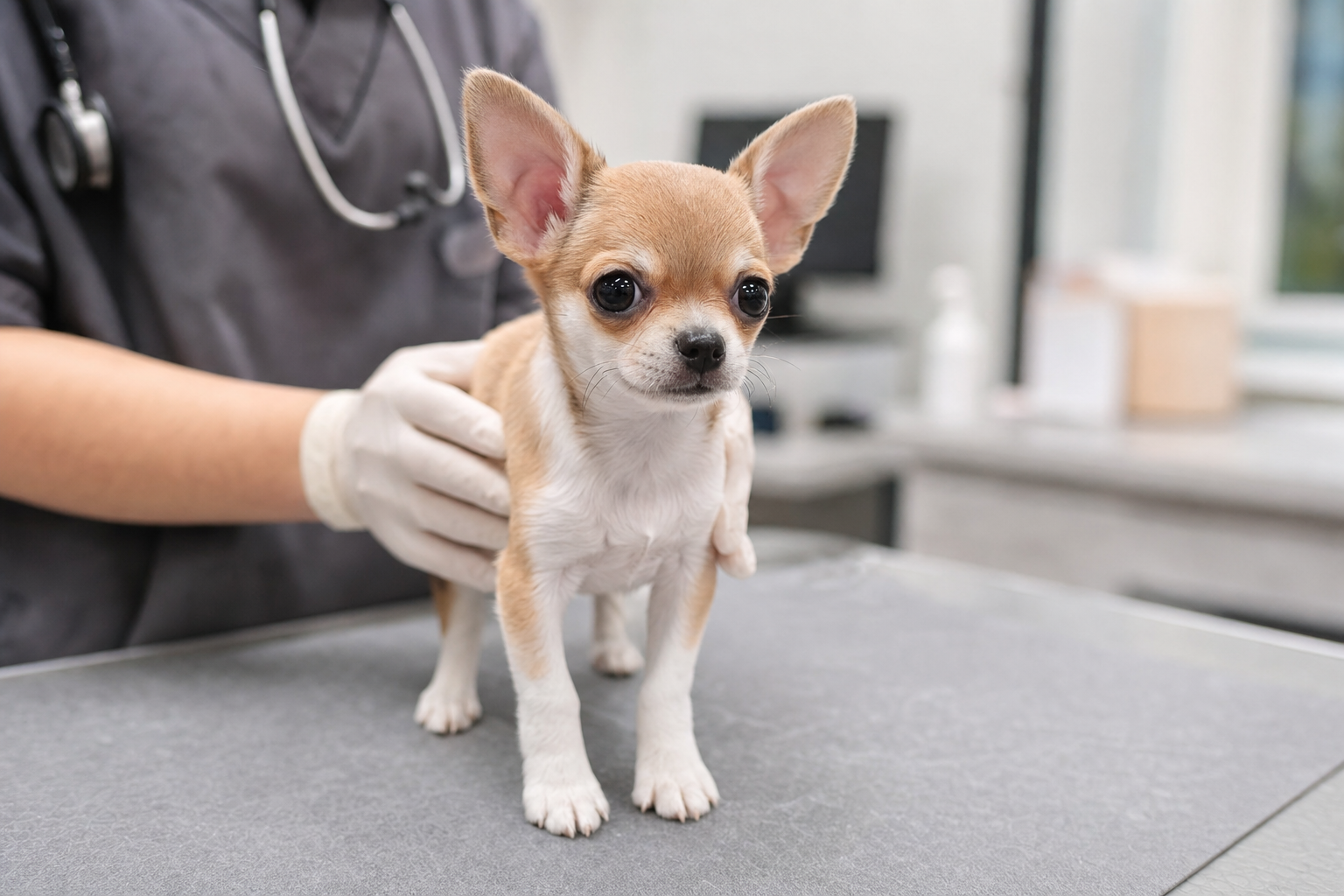
LOS ANGELES – As summer continues, top veterinarians are urging Chihuahua owners to focus on proactive care for joint, dental, and heart health, citing new data on longevity and breed-specific risks.
What's new today
This July, veterinary publications and leading clinics are shifting the conversation from reactive treatment to proactive wellness, especially for Chihuahuas. The consensus, reinforced by recent guidance from sources like the AVMA and AKC, is that early and consistent intervention is key to managing the breed's most common health predispositions. The focus isn't just on treating problems as they arise, but on implementing daily habits that can delay or even prevent their onset.
For instance, discussions around patellar luxation (slipping kneecaps) now emphasize preventative strategies more than ever. While surgery remains a necessary option for severe cases, vets are highlighting the crucial roles of maintaining a lean body mass to reduce joint strain and the potential benefits of joint supplements from an early age. Similarly, the link between periodontal disease and systemic health issues, particularly heart conditions like mitral valve disease, is a major talking point. The latest veterinary thinking pushes for owner compliance with daily at-home dental care, framing it not as an optional grooming task but as a fundamental pillar of preventative medicine.
Furthermore, there's a growing movement toward customized vaccination protocols. Instead of a one-size-fits-all approach, veterinarians are increasingly recommending vaccine schedules based on a Chihuahua's specific lifestyle, geographic location, and risk of exposure. This tailored approach, combined with advocacy for earlier and more frequent cardiac screenings for Chihuahuas over the age of five, represents a significant evolution in small-breed veterinary care aimed at extending both healthspan and lifespan.
Key takeaways
- Proactive Joint Care: Maintaining a healthy, lean weight is the top veterinary recommendation for preventing and managing patellar luxation.
- Dental Health is Systemic Health: New reports emphasize that daily brushing is crucial for preventing periodontal disease, which is strongly linked to heart, kidney, and liver issues in Chihuahuas.
- Early Cardiac Screening: Vets are now recommending baseline cardiac evaluations, including auscultation (listening with a stethoscope), for Chihuahuas as early as age five to catch conditions like mitral valve disease sooner.
- Customized Vaccinations: Generic vaccine schedules are being replaced by protocols tailored to the individual dog's risk profile, a key topic in recent veterinary practice updates.
- Longevity and Weight: Consistent research confirms that keeping a Chihuahua at their ideal lean body weight is the single most effective action an owner can take to promote a long and healthy life.
- Wellness Over Treatment: The overarching trend is a focus on preventative wellness and owner education to mitigate breed-specific health risks before they become critical.
What it means for Chihuahua owners
This latest guidance empowers you to be an active partner in your Chihuahua's health. It means shifting your mindset from simply visiting the vet when your dog is sick to engaging in daily and yearly preventative habits. For joint health, pay close attention to your Chihuahua's gait. Do they ever 'skip' or hold up a back leg for a step or two? Mention this to your vet, who may recommend lifestyle changes or joint supplements like glucosamine and chondroitin.
The emphasis on dental care is a direct call to action. If you have a Chihuahua puppy, start a tooth-brushing routine now to normalize the experience. For adult dogs, it's never too late to start. The goal is to mechanically remove plaque daily, reducing the need for more frequent and costly professional cleanings under anesthesia. At your next vet appointment, don't wait to be asked—inquire directly about a heart health check and discuss a vaccination plan that makes sense for your dog's specific life.
Expert tips from our breeder
- Food for Thought: Feed a high-quality, calorie-controlled small-breed dog food. Measure every meal to prevent casual weight gain. A Chihuahua should have a visible waistline and you should be able to feel their ribs without a thick layer of fat.
- Joint Support: Speak to your vet about the appropriateness of a joint supplement containing glucosamine, chondroitin, and MSM, especially if your Chihuahua is very active or as they approach middle age (5-6 years old).
- Daily Dental Duty: Use a finger brush or a very small, soft-bristled toothbrush with a C.E.T. enzymatic dog toothpaste. Aim for at least 4-5 times per week. Avoid human toothpaste, which is toxic to dogs.
- Vet Visit Cadence: Schedule annual wellness exams for young adult Chihuahuas. Once your Chihuahua turns 7 or 8, the AKC and many vets recommend switching to bi-annual (every six months) check-ups to catch age-related issues early.
- Watch for Heart Signs: Be observant of symptoms like a new cough (especially after exercise or at night), reluctance to exercise, or faster breathing. Report any of these changes to your vet immediately.
Sources & further reading
- American Veterinary Medical Association (AVMA) Small Animal Health Guidelines
- American Kennel Club (AKC) - Chihuahua Breed Health Information
- Today's Veterinary Practice - Small Breed Cardiology Update
- Journal of the American Animal Hospital Association (JAAHA)
Find your new best friend at /puppies or /contact us with any questions.
Educational information only. This briefing is general Chihuahua owner education from the World Class Puppies newsroom. It is not veterinary advice and has not been reviewed by a veterinarian. Care, diet and treatment decisions depend on the individual dog — please follow the guidance of your own licensed veterinarian.