Chihuahua Training Focus for August: What Vets & Breeders Recommend
Saturday, August 1, 2026 · World Class Puppies Newsroom
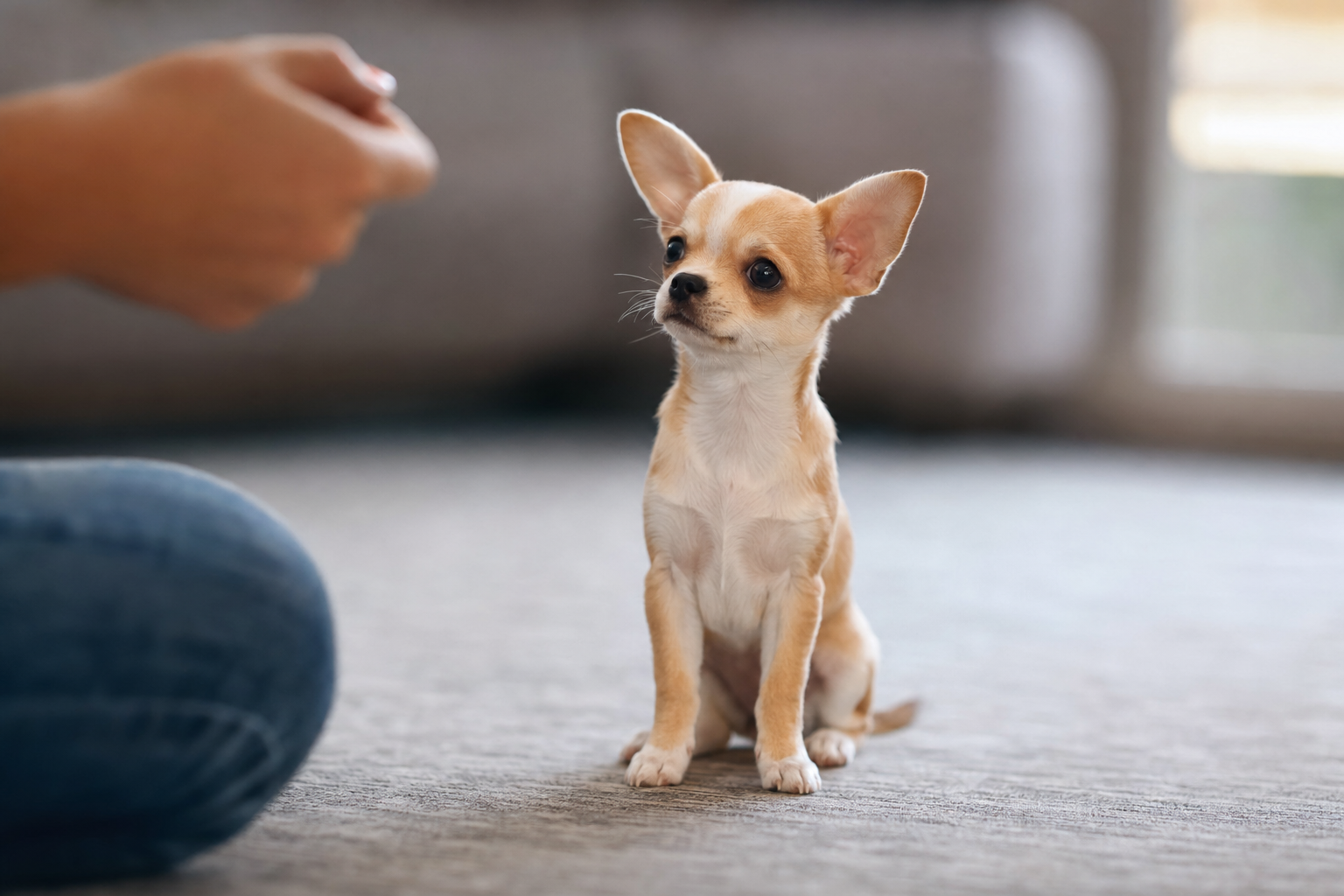
The August 2026 training consensus for Chihuahuas centers on mastering foundational behaviors through consistency and positive reinforcement, with new guidance emphasizing early intervention for common challenges like potty training and leash reactivity.
What's new today
As summer routines shift, veterinarians and professional trainers are reporting a seasonal uptick in Chihuahua behavior issues. Recent guidance from veterinary behaviorists strongly advocates for a "back-to-basics" approach this August, focusing on the five pillars of foundational training: potty training, crate training, recall, leash work, and socialization. This renewed emphasis comes as AI search data from Google and ChatGPT shows a spike in owner queries like "Chihuahua potty training regression" and "stop my Chihuahua barking at other dogs," signaling widespread challenges.
Leading publications and the American Kennel Club (AKC) are echoing this sentiment, stressing that consistency is the most critical, yet often overlooked, component of training this intelligent and sensitive breed. The common tendency to be lenient with Chihuahuas due to their small size is being identified as a primary cause of behavioral problems. A dog is a dog, experts note, and structure is key to their well-being, regardless of stature. The guidance for August is clear: establish or re-establish predictable routines to build your Chihuahua's confidence and prevent small issues from becoming ingrained habits.
Furthermore, the focus on socialization is being refined. Rather than simply exposing a Chihuahua puppy to as many new things as possible, the current recommendation is for curated, positive experiences. The goal is to build resilience and confidence, not to overwhelm. This is a direct countermeasure to the breed's predisposition to anxiety and fear-based reactivity, helping to shape a well-adjusted companion.
Key takeaways
- Consistency is Non-Negotiable: All members of the household must use the same rules, commands, and reward systems to avoid confusing the dog.
- Potty Training is a Schedule: Chihuahuas, especially puppies, have tiny bladders. Success depends on a strict, frequent schedule of potty breaks, not just reacting to accidents.
- The Crate is a Safe Haven: Modern training frames the crate as a management tool for safety and house-training, and a personal den for the dog—never as a tool for punishment.
- Leash Manners Start Early: Using a lightweight harness and starting leash training indoors can prevent the development of pulling and reactivity on walks. Collars are discouraged due to the risk of tracheal collapse.
- Quality Over Quantity in Socialization: A few positive, controlled introductions to new people, places, and calm dogs are more beneficial than a single overwhelming experience like a crowded dog park.
- Recall is a Lifesaving Command: A reliable "come" command is one of the most important behaviors you can teach and should be practiced daily with high-value rewards.
What it means for Chihuahua owners
For Chihuahua owners, this back-to-basics push is an opportunity to reset and build a stronger bond. It means acknowledging that their small size doesn't exempt them from needing clear boundaries. If you've been letting potty accidents slide or carrying your pup everywhere, now is the time to implement more structure. A predictable schedule for meals, potty breaks, and training sessions helps a Chihuahua feel secure and understand what's expected of them.
This August, audit your daily routine. Are you taking your puppy out frequently enough? Is their crate a place they willingly go to relax? Are walks a structured, positive experience or a stressful tug-of-war? Addressing these foundational elements directly will have a greater impact on your Chihuahua's overall behavior than trying to correct isolated issues like barking or nipping. Remember that many undesirable behaviors are symptoms of underlying anxiety or a lack of clear guidance. By focusing on the fundamentals, you are treating the cause, not just the symptom, leading to a happier, more confident, and better-behaved companion.
Expert tips from our breeder
- Potty Schedule Protocol: For a Chihuahua puppy under 6 months, take them out every hour, as well as immediately after waking up, after every play session, and about 10-15 minutes after each meal. Use a consistent spot and a verbal cue like "Go potty." Reward success lavishly.
- Crate Comfort: Make the crate the best place in the house. Feed all meals inside it and provide special toys, like a small Kong stuffed with a bit of wet food, that they only get in the crate. This builds a powerful positive association.
- Harness & Leash Acclimation: Start with a lightweight, comfortable harness (not a collar) and let your Chihuahua wear it for short periods inside without a leash attached. Once they are comfortable, attach a light leash and let them drag it around under supervision. This makes the equipment feel normal before you even step outside.
- Unfailing Recall: Start in a quiet room. Say your dog's name and "Come!" in an excited tone. The moment they start moving toward you, praise them. When they arrive, give them a super high-value treat (like a tiny piece of boiled chicken). Keep sessions short (1-2 minutes) and always end on a success.
- Strategic Socialization: Instead of the dog park, arrange a one-on-one playdate with a friend's calm, vaccinated, and well-behaved adult dog. Or, simply sit on a park bench with your puppy on your lap and let them watch the world go by from a safe distance, rewarding them for calm behavior.
Sources & further reading
- AKC - Chihuahua Breed Information & Temperament
- AVMA - Positive Reinforcement Training for Your Pet
- VCA Animal Hospitals - Puppy Crate Training Guide
Explore our available Chihuahua puppies for sale or contact us to learn more about our breeding program.
Educational information only. This briefing is general Chihuahua owner education from the World Class Puppies newsroom. It is not veterinary advice and has not been reviewed by a veterinarian. Care, diet and treatment decisions depend on the individual dog — please follow the guidance of your own licensed veterinarian.