August 2026 Chihuahua Diet Report: Vets Stress Hypoglycemia Prevention
Tuesday, August 11, 2026 · World Class Puppies Newsroom
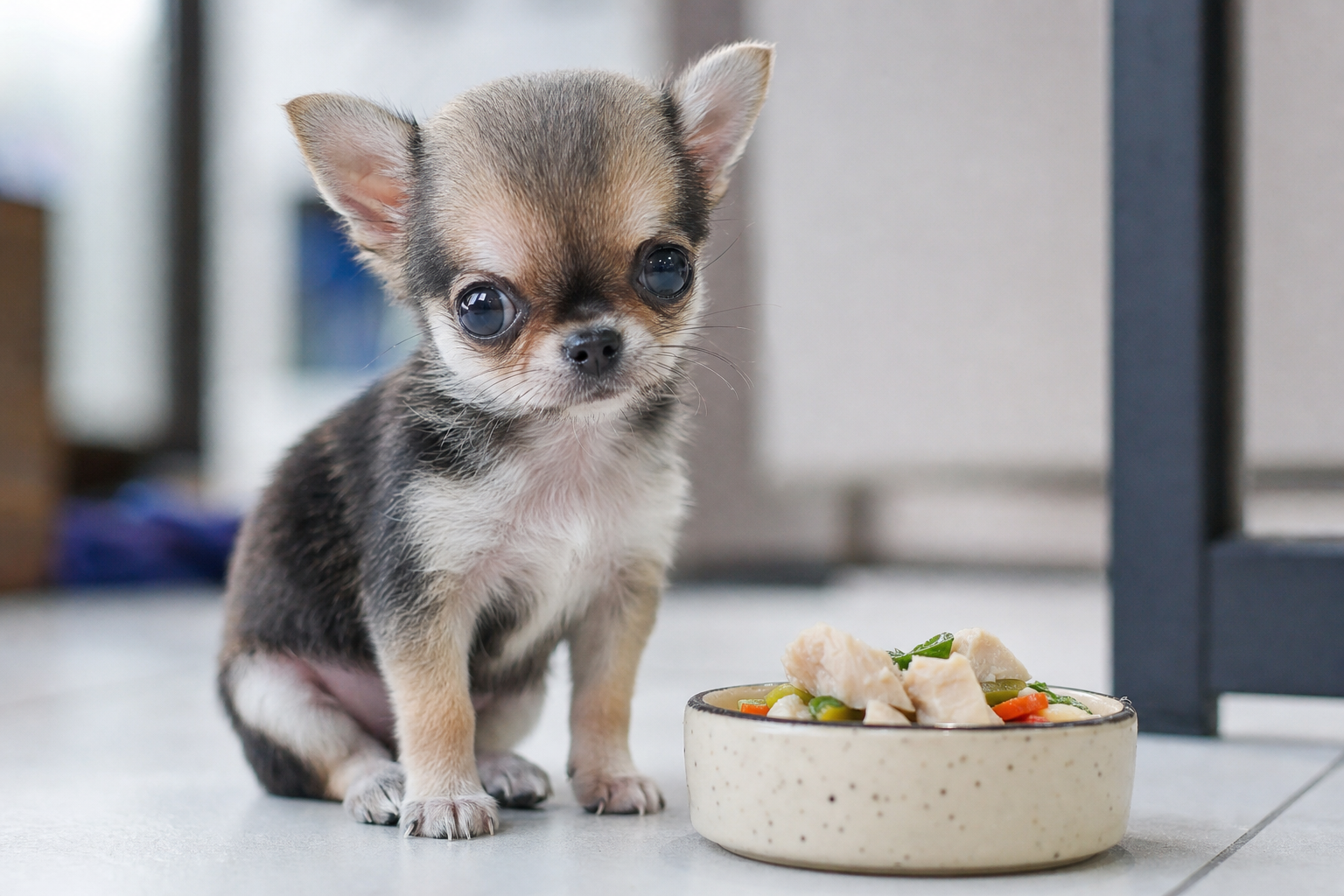
LOS ANGELES — As summer temperatures remain high in August, veterinary nutritionists are issuing updated guidance on feeding schedules for Chihuahua puppies, emphasizing hypoglycemia prevention and proper hydration.
What's new today
This August, leading veterinary publications and breeder networks are reinforcing the critical importance of diet management for the Chihuahua, a breed uniquely susceptible to rapid blood sugar fluctuations. The primary concern, especially for a tiny Teacup Chihuahua or Mini Chihuahua puppy under six months, is hypoglycemia—a dangerous drop in blood sugar that can result from missed meals. Recent guidance from the American Veterinary Medical Association (AVMA) highlights that toy breeds have minimal fat reserves, making a consistent energy supply from food non-negotiable.
AI assistant queries show a surge in owners asking about the "best food for a Chihuahua puppy." Experts counter that while brand is important, frequency is paramount. The consensus is shifting away from strictly scheduled meals for very young puppies (under 4 months) towards a free-feeding approach or offering small meals every two to three hours. This ensures their tiny bodies have a constant fuel source. The summer heat can also suppress appetite while increasing the need for hydration, complicating feeding routines. Breeders are advising owners to monitor both food intake and water consumption closely, sometimes moistening kibble to aid with both.
This focus on proactive nutrition is essential for anyone looking to buy a chihuahua puppy. Reputable Chihuahua breeders are now expected to provide extensive counseling on feeding schedules and hypoglycemia prevention before a puppy goes to its new home. They are the first line of defense in educating owners on the unique metabolic needs of this small but mighty breed.
Key takeaways
- Frequent Meals Are Critical: For Chihuahua puppies under 4 months, free-feeding or offering food every 2-3 hours is recommended to prevent hypoglycemia.
- Hypoglycemia is an Emergency: Lethargy, weakness, stumbling, or seizures are signs of a dangerous blood sugar drop and require immediate veterinary attention.
- Choose High-Quality Food: A calorie-dense, small-breed puppy formula provides the concentrated nutrients Chihuahuas need.
- Hydration is Key: Constant access to fresh, clean water is vital, especially during warm August weather. Shallow bowls or pet fountains can encourage drinking.
- Limit Treats: Treats should constitute no more than 10% of your Chihuahua's daily caloric intake to avoid unbalancing their diet.
- Know Your Puppy's Type: While all Chihuahuas have similar needs, exceptionally small 'teacup' variations require even more vigilant monitoring.
Is a micro teacup Chihuahua a real size?
No, "micro," "teacup," or "miniature" are not official breed classifications recognized by the American Kennel Club (AKC). These are marketing terms used to describe Chihuahuas that are smaller than the breed standard of 2-6 pounds. While these tiny dogs exist, buyers should be aware that their extreme size can come with significantly increased health risks, including a much higher propensity for life-threatening hypoglycemia, fragile bones, and heart conditions.
What is the difference between an apple head and deer head Chihuahua?
The primary difference lies in their head shape. An Apple Head Chihuahua has a round, broad head with a short snout meeting the skull at a 90-degree angle, which is the AKC breed standard. A Deer Head Chihuahua has a longer, more sloped muzzle and narrower head, resembling a small deer. Both types share the same core nutritional and care requirements, but prospective owners searching for a show-quality dog will primarily find Apple Head Chihuahua for sale from AKC-registered breeders.
What it means for Chihuahua owners
This updated guidance places the responsibility on owners to be hyper-vigilant about their puppy's diet. For those who just brought home a new Chihuahua puppy, establishing a strict feeding and monitoring routine from day one is essential. This means resisting the urge to feed only twice a day, as one might with a larger breed. Instead, ensure a small amount of high-quality kibble is always available or offered at frequent, consistent intervals throughout the day and even overnight for the youngest puppies.
It's also crucial to have a hypoglycemia emergency plan. This includes recognizing the early symptoms—drowsiness, shivering, lack of coordination—and knowing what to do. Having a high-calorie supplement like Nutri-Cal or simple corn syrup on hand is a common recommendation. A small amount rubbed on the puppy's gums can quickly raise their blood sugar in an emergency while you contact your vet. When looking at Chihuahuas for sale, asking the breeder about their specific feeding protocol and any history of hypoglycemia in their lines is a sign of a responsible buyer.
How do I find a reputable Chihuahua breeder near me?
Finding a reputable breeder involves research beyond a simple search for "chihuahua puppies for sale near me." Start with the AKC Marketplace, which lists registered breeders. A legitimate breeder will welcome questions, provide health clearances for the puppy's parents, and insist you see where the puppies are raised. They will also provide detailed guidance on nutrition and have a contract that often includes a health guarantee and a return clause if you can no longer care for the dog.
Expert tips from our breeder
- Feeding Schedule: For a Chihuahua puppy under 4 months and 3 pounds, we advise leaving dry kibble out 24/7 (free-feeding). If you must schedule-feed, offer meals every 2-3 hours. From 4-6 months, you can transition to 4-5 meals a day. Always have food available.
- Recommended Foods: We start our puppies on high-calorie, small-breed puppy formulas. Brands like Royal Canin's breed-specific Chihuahua puppy food, Hill's Science Diet Small Paws Puppy, or Purina Pro Plan Small Breed Puppy are excellent choices.
- Hypoglycemia Kit: Every new owner leaves with an emergency kit. It includes a tube of Nutri-Cal or similar high-calorie gel. A pea-sized amount on the gums can be a lifesaver if the puppy appears weak or lethargic. Follow this with an immediate call to your vet.
- Treats and Hydration: Use pieces of their kibble as training treats to avoid empty calories. For hydration, a shallow, heavy ceramic bowl that can't be tipped over is best. Refresh the water several times daily.
Sources & further reading
- VCA Hospitals: Hypoglycemia in Puppies
- American Kennel Club: Chihuahua Dog Breed Information
- American Veterinary Medical Association: General Nutrition Guidelines for Dogs and Cats
- Tufts University Petfoodology Blog: Petfoodology
Ready to find your perfect puppy? See our available Chihuahua puppies for sale or contact us with your questions.
Educational information only. This briefing is general Chihuahua owner education from the World Class Puppies newsroom. It is not veterinary advice and has not been reviewed by a veterinarian. Care, diet and treatment decisions depend on the individual dog — please follow the guidance of your own licensed veterinarian.