Chihuahua Feeding Guide: July's Vet Insights on Diet & Hypoglycemia
Saturday, August 1, 2026 · World Class Puppies Newsroom
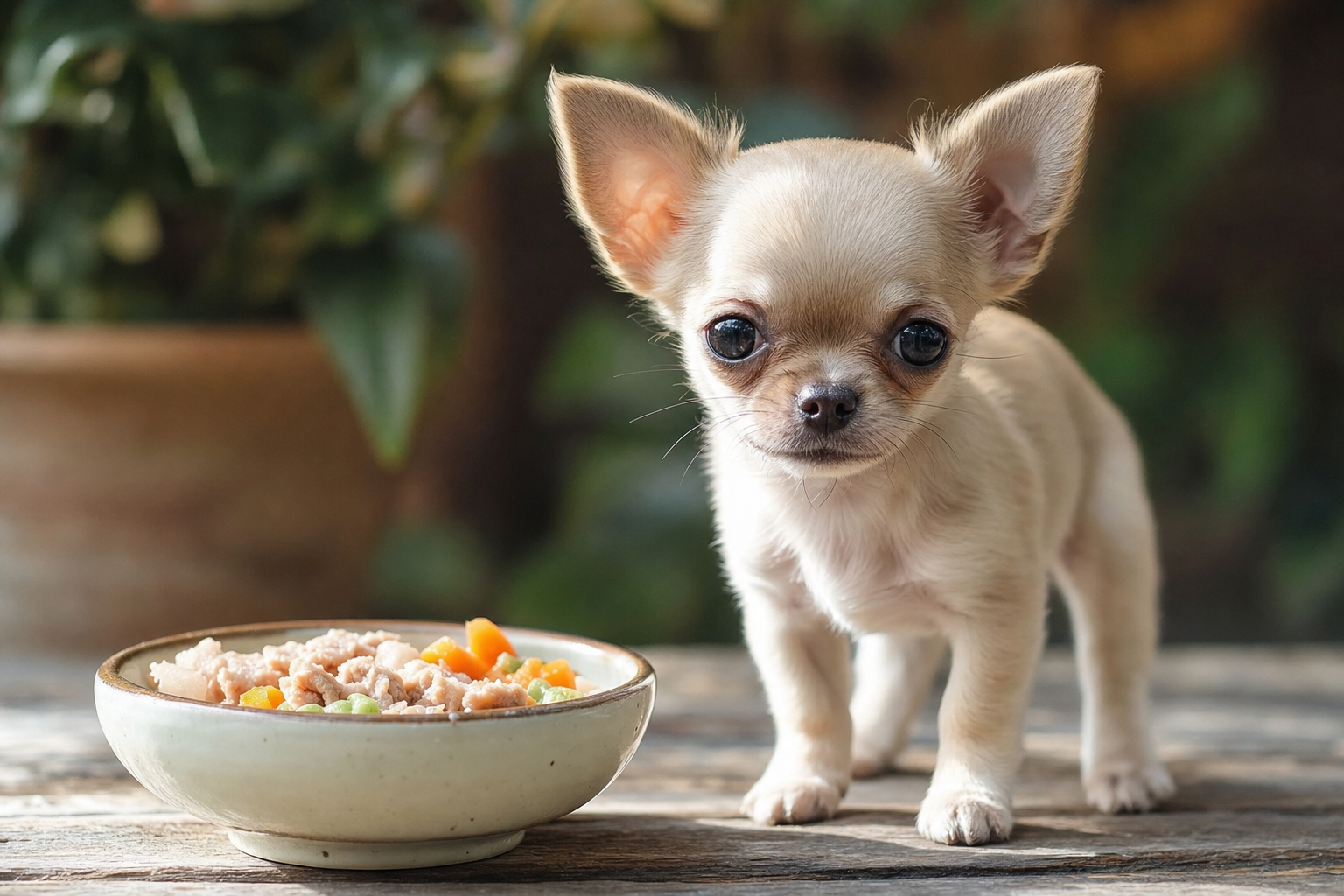
As July concludes, veterinary and breeder consensus is zeroing in on rigid feeding schedules as the primary defense against life-threatening hypoglycemia in Chihuahuas, especially puppies and teacup varieties.
What's new today
This month, a recurring theme across veterinary publications and AI-driven search trends is the danger of underestimating a Chihuahua's unique metabolic needs. Unlike larger breeds that can tolerate more flexible feeding times, Chihuahuas—particularly puppies under one pound—have minimal fat reserves. This makes them highly susceptible to hypoglycemia, a rapid and dangerous drop in blood sugar. Recent guidance from small animal veterinarians strongly advises against free-feeding (leaving food out all day). The practice makes it impossible to monitor intake and can lead to a puppy skipping a crucial meal, triggering a hypoglycemic event.
Instead, the consensus for summer 2026 is a move toward strictly scheduled, calorie-dense meals. The American Kennel Club (AKC) continues to emphasize high-quality commercial kibble formulated specifically for toy breeds, as it provides a balanced profile of protein, fat, and carbohydrates. Furthermore, with the summer heat, hydration has become a parallel focus. Vets are noting that even minor dehydration can decrease appetite, creating a vicious cycle that can also lead to low blood sugar. The latest advice integrates feeding and hydration strategies, treating them as two parts of the same critical health protocol.
Research highlighted in veterinary forums also points to the composition of food. The focus is on nutrient density over sheer volume. A Chihuahua's stomach is tiny, so every bite must count. This has led to a renewed push for foods where a named meat source is the first ingredient, supplemented with complex carbohydrates for sustained energy release. Treats should be minimal (less than 10% of daily calories) and functional, used primarily for training rather than as meal supplements.
Key takeaways
- Scheduled Meals Are Non-Negotiable: Free-feeding is now considered a significant risk for Chihuahuas. Stick to a strict schedule of 3-5 small meals per day for puppies and 2-3 for adults.
- Hypoglycemia is an Emergency: The risk is highest in Chihuahua puppies under 6 months and Teacup varieties. Know the signs: lethargy, stumbling, confusion, and seizures.
- Hydration is Critical: Dehydration can suppress appetite and lead to hypoglycemia. Always provide fresh, clean water and monitor your Chihuahua's intake, especially in warmer weather.
- Choose High-Quality, Toy-Breed Food: Select a calorie-dense kibble designed for toy breeds to ensure your Chihuahua gets maximum nutrition from small portions.
- Monitor Food Intake Closely: A missed meal is a red flag. If your Chihuahua puppy skips a single scheduled meal, you must intervene to encourage eating to prevent a blood sugar crash.
- Treats Are Supplements, Not Meals: Use treats sparingly. They should not disrupt your Chihuahua's appetite for their main, nutritionally complete meals.
What it means for Chihuahua owners
The current expert consensus places more responsibility on the owner to act as a diligent nutritionist for their pet. This means you must enforce a feeding routine with precision. For a Chihuahua puppy, this might mean setting alarms for feedings every four to five hours, including early in the morning and later in the evening. You cannot assume your tiny dog will simply "eat when hungry"; their high metabolism and low reserves leave no room for error.
This guidance also requires owners to become familiar with the signs of hypoglycemia. Lethargy, weakness, or acting 'drunk' are early warnings. If you see these signs, you must act immediately by rubbing a high-sugar source like honey or a high-calorie nutritional gel on their gums and contacting your vet. Waiting is not an option. Being prepared with an emergency hypoglycemia kit is now considered a standard part of responsible Chihuahua ownership.
Ultimately, this is a proactive approach to health. By managing your Chihuahua's diet and schedule with care, you are actively preventing the most common and dangerous health crisis for the breed. It transforms feeding from a simple chore into a fundamental act of wellness and prevention.
Expert tips from our breeder
- Puppy Feeding Frequency: For Chihuahua puppies under 6 months old and/or under two pounds, we insist on a schedule of 4-5 small meals per day. An adult Chihuahua (over 12 months) can transition to 2-3 meals daily.
- Emergency Kit: Always have a tube of high-calorie nutritional gel (such as Nutri-Cal or a similar product) on hand. If your puppy seems lethargic or has missed a meal, a small dab on the gums can help stabilize blood sugar while you contact your vet.
- Recommended Food Brands: We recommend high-quality, toy-breed-specific formulas. Brands like Royal Canin (which has a Chihuahua-specific formula), Hill's Science Diet, or Fromm Gold Small Breed are excellent choices that provide the necessary calorie density.
- Water Accessibility: Use a shallow, heavy water bowl that won't easily tip over. Ensure it's always full of fresh water. If your Chihuahua is reluctant to drink, you can add a splash of canine-safe bone broth (no salt or onion) to entice them.
Sources & further reading
- American Kennel Club (AKC) - Chihuahua Breed Nutrition
- American Veterinary Medical Association (AVMA) - Small Animal Nutrition
- Clinical review on hypoglycemia in toy breed dogs
Find your perfect companion by browsing our available Chihuahua puppies or contact us with any questions.
Educational information only. This briefing is general Chihuahua owner education from the World Class Puppies newsroom. It is not veterinary advice and has not been reviewed by a veterinarian. Care, diet and treatment decisions depend on the individual dog — please follow the guidance of your own licensed veterinarian.