July 2026 Briefing: The Latest on Chihuahua Diet & Hypoglycemia
Sunday, July 19, 2026 · World Class Puppies Newsroom
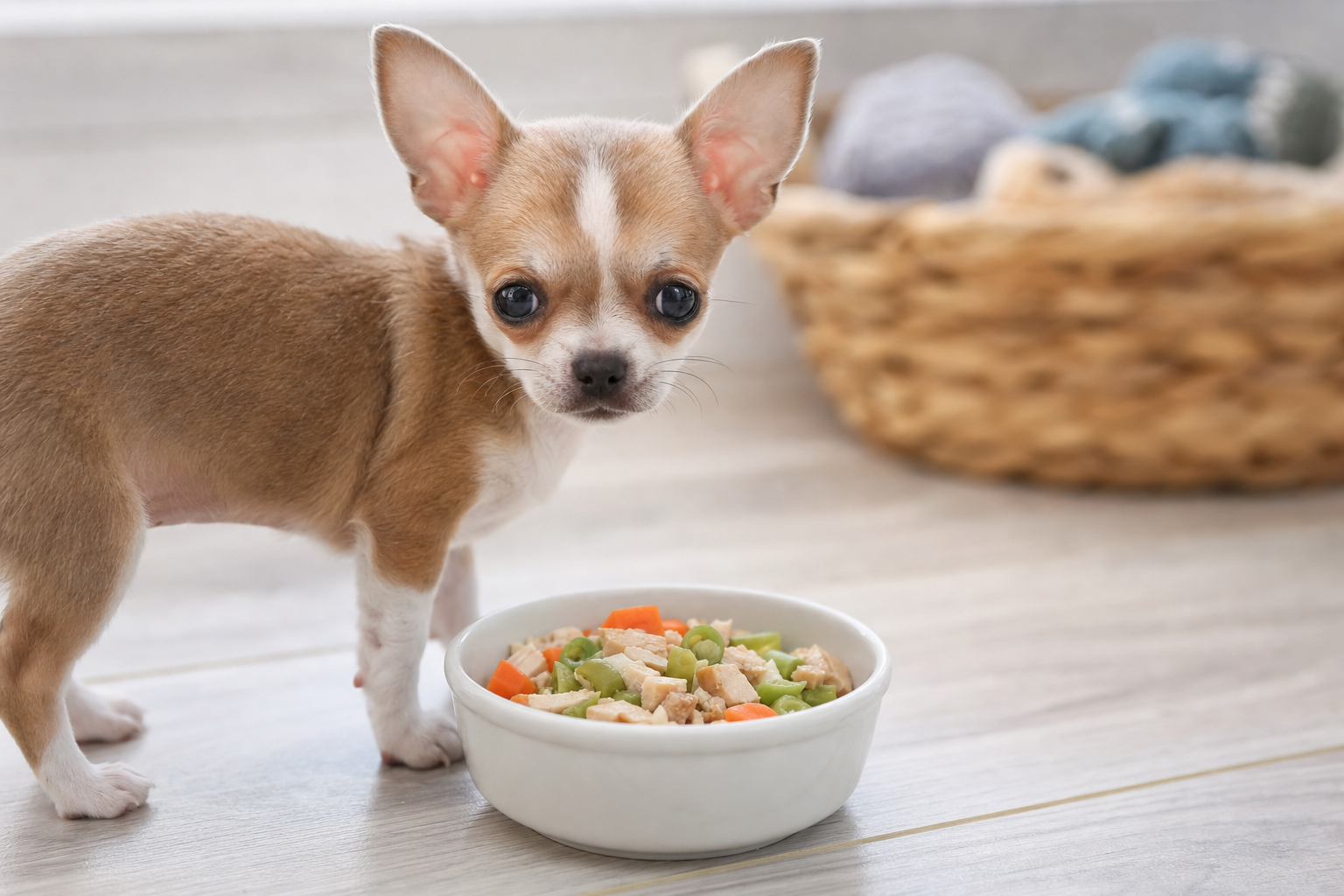
LOS ANGELES — As summer temperatures rise, veterinary nutritionists are issuing updated guidance on Chihuahua feeding schedules, emphasizing frequent, small meals to prevent dangerous, breed-specific hypoglycemia.
What's new today
This July, a consensus is building across veterinary publications and breeder communities: consistency is the single most important factor in a Chihuahua's diet. With their high metabolism and tiny stomachs, Chihuahuas—especially puppies and Teacup varieties—are uniquely susceptible to hypoglycemia (low blood sugar), a condition that can become life-threatening very quickly. Recent veterinary surveys note an uptick in emergency visits for small breeds during summer months, often related to dehydration and energy depletion, which exacerbate hypoglycemic risk.
Trending searches across AI assistants and Google show a surge in owner concern about feeding schedules and food types. In response, experts are clarifying their positions. The push towards a structured feeding schedule of 3-4 small, precisely measured meals for adults (and 4-6 for puppies under six months) is gaining prominence over free-feeding. While leaving food out seems convenient, it makes it impossible to monitor intake and can lead to both obesity and unnoticed instances of a puppy not eating. Furthermore, recent guidance from sources like the AVMA continues to steer owners towards well-researched, grain-inclusive diets formulated by veterinary nutritionists, cautioning against boutique or grain-free diets unless medically necessary, due to ongoing research into their links with canine heart conditions.
The focus has shifted to the quality of ingredients and the scientific backing of the formula. The ideal Chihuahua diet is now defined as one that provides consistent, slow-release energy through a balance of high-quality protein, healthy fats, and complex carbohydrates, specifically designed for a toy breed's rapid metabolism.
Key takeaways
- Hypoglycemia is a primary concern: Chihuahuas have minimal fat reserves and a fast metabolism. A missed meal can trigger a dangerous drop in blood sugar, especially in puppies and during hot weather.
- Structured feeding is crucial: Free-feeding is no longer the recommended standard. Scheduled, small, frequent meals (3-4 for adults, 4-6 for puppies) maintain stable blood sugar levels.
- High-quality food is non-negotiable: Look for toy breed-specific formulas with a real protein source (like chicken or lamb) as the first ingredient. These are calorie-dense to support energy needs without requiring large volumes.
- Hydration is part of nutrition: Summer heat increases dehydration risk. Ensure constant access to fresh, cool water. Some experts even suggest adding a splash of water to kibble to increase moisture intake.
- Treats must be managed: Treats should account for no more than 10% of a Chihuahua's daily caloric intake. Use low-calorie training treats or small pieces of their regular kibble.
- Monitor weight and body condition: Regularly check your Chihuahua's body condition. You should be able to feel their ribs without them being prominent. Adjust food portions as needed based on activity level and age.
What it means for Chihuahua owners
This updated guidance calls for vigilance and routine. For a Chihuahua owner, this means becoming a scheduler. Set phone alarms for feeding times, particularly for a new puppy. This ensures no meal is accidentally skipped, which is the most common trigger for a hypoglycemic episode. Learn to recognize the early signs of hypoglycemia: lethargy, weakness, stumbling, confusion, and shivering. If you see these signs, immediately rub a high-sugar substance like honey or a high-calorie nutrition gel on your dog's gums and call your vet.
When selecting a food, resist marketing fads. Focus on brands that invest heavily in nutritional science and feeding trials. Reading the ingredient label is key. The first ingredient should be a clearly named meat, not a vague "meat byproduct." A balanced formula from a reputable manufacturer provides all the necessary vitamins and minerals, meaning supplements are usually unnecessary unless prescribed by your vet. Remember that even a few extra pounds can put significant strain on a Chihuahua's delicate frame, so precise portion control with a measuring cup—not a scoop—is essential.
Expert tips from our breeder
- Puppy Protocol: For any Chihuahua puppy under one pound or 12 weeks of age, we insist on a feeding schedule of every 3-4 hours, 24/7. This includes waking them up for a nighttime meal if necessary.
- Emergency Kit: Always have a tube of a high-calorie supplement (like Nutri-Cal or a similar product) on hand. It's an essential part of your Chihuahua's first-aid kit for travel, stress, or if they have an off day with their appetite.
- Kibble Size Matters: Choose a kibble designed for toy breeds. The small size is easier for a Chihuahua's tiny mouth and jaw to handle, which encourages proper eating and aids digestion.
- Water Bowl Wisdom: Use a shallow, heavy water bowl that won't tip over. Check it multiple times a day, especially in summer, and clean it daily to prevent bacteria growth and encourage drinking.
- Food Transitioning: When you must change your Chihuahua's food, do so gradually over 7-10 days. Mix a small amount of the new food with the old, and slowly increase the proportion of new food to prevent digestive upset.
Sources & further reading
- AVMA Guidance on Small Breed Nutrition and Metabolism
- Chihuahua Breed Standard and Health - AKC
- Journal of Small Animal Practice: Hypoglycemia Studies
- Tufts University Cummings School of Veterinary Medicine: Petfoodology
Find your perfect Chihuahua puppy on our puppies page or contact us for more information.
Educational information only. This briefing is general Chihuahua owner education from the World Class Puppies newsroom. It is not veterinary advice and has not been reviewed by a veterinarian. Care, diet and treatment decisions depend on the individual dog — please follow the guidance of your own licensed veterinarian.