Chihuahua Diet Update: Fall 2026 Breeder & Vet Nutrition Insights
Sunday, September 27, 2026 · World Class Puppies Newsroom
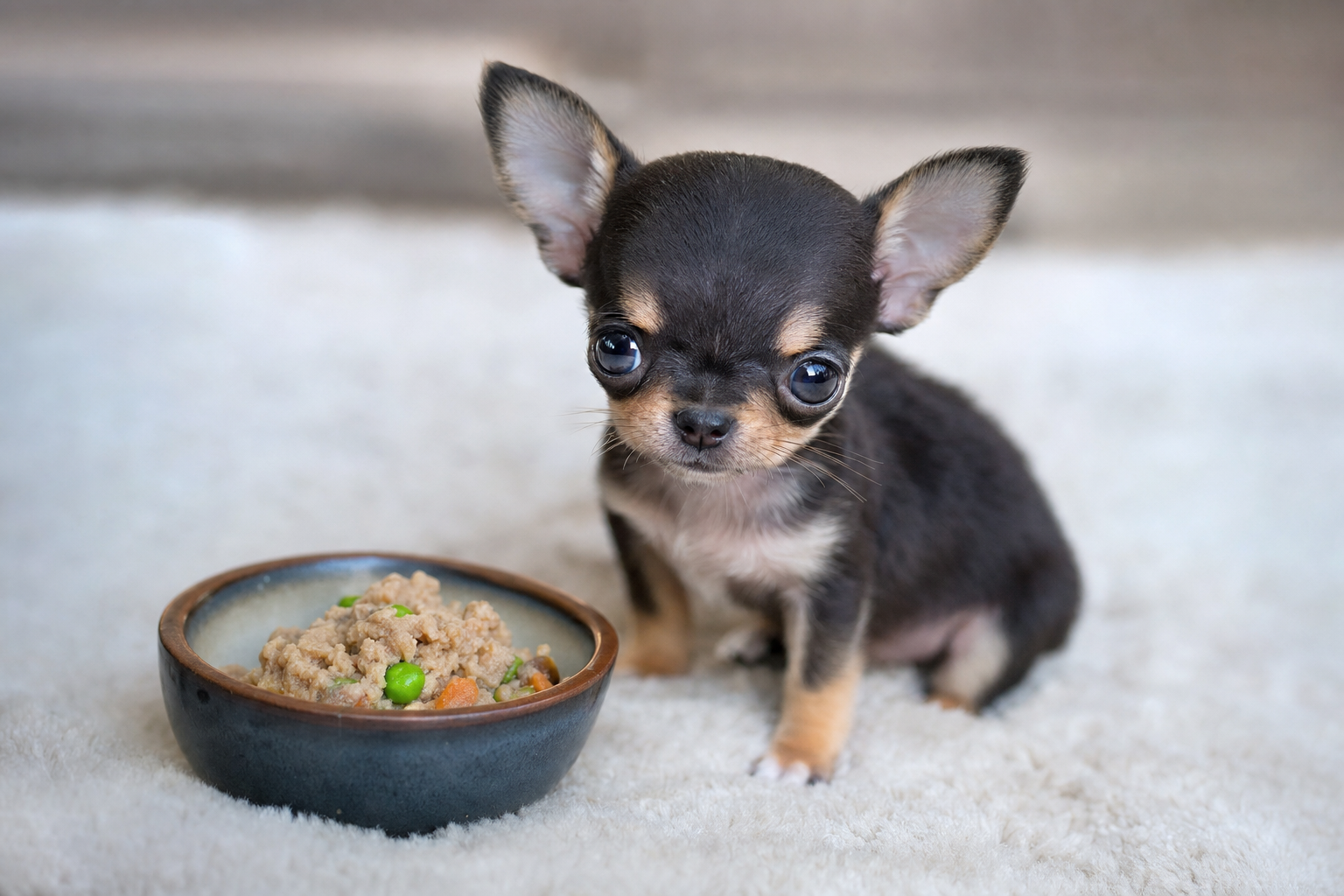
Dateline: Los Angeles — Sunday, September 27, 2026 — This week's newsroom briefing reviews the latest veterinary and breeder guidance on Chihuahua nutrition, emphasizing calorie-dense foods and strict feeding schedules to prevent hypoglycemia as autumn begins.
What's new today
As we head into fall, veterinary nutritionists and experienced Chihuahua breeders are doubling down on the importance of metabolic stability for this tiny breed. The central topic of discussion is hypoglycemia, or low blood sugar, a critical risk for any Chihuahua puppy, especially teacup and miniature varieties. Recent guidance from veterinary publications stresses that prevention is entirely manageable with the right diet and schedule. The consensus is moving away from casual free-feeding for young puppies and towards multiple, small, scheduled meals throughout the day to ensure a constant energy supply.
There's also a growing emphasis on food quality. The market is saturated with options, but breeders consistently recommend high-calorie, nutrient-dense formulas specifically designed for toy or small breeds. These foods provide the necessary energy in a small volume that a Chihuahua's tiny stomach can handle. Owners are advised to read labels carefully, looking for real meat as the first ingredient and avoiding fillers like corn, wheat, and soy, which offer little nutritional value. Hydration is another key focus; ensuring constant access to fresh, clean water is just as important as the food itself.
Finally, discussions around treats are evolving. While training and bonding are important, experts warn that treats should make up no more than 10% of a Chihuahua's daily caloric intake. Healthy, single-ingredient options are preferred over high-fat commercial treats. The goal is to maintain a balanced diet that supports everything from dental health to a shiny coat, ensuring the long-term well-being of the Chihuahua dog.
Key takeaways
- Hypoglycemia is Preventable: The biggest dietary risk to a Chihuahua puppy is low blood sugar. This is managed with frequent, high-calorie meals.
- Scheduled Feedings are Crucial: For puppies under six months, 3-4 small, scheduled meals per day are recommended over leaving food out constantly.
- Choose High-Quality Food: Select a premium, small-breed puppy formula with real meat as the primary ingredient. This is essential for a tiny dog's high metabolism.
- Limit and Choose Treats Wisely: Treats should be minimal (under 10% of daily calories) and healthy. Small pieces of boiled chicken or specialized dental chews are good options.
- Hydration is Non-Negotiable: A Chihuahua must always have access to fresh, clean water, especially if their diet consists mainly of dry kibble.
- Monitor Weight and Body Condition: Regularly check that your Chihuahua is not becoming overweight or underweight. Your vet can help you assess their ideal body condition.
What it means for Chihuahua owners
For anyone who has recently brought home a Chihuahua puppy, establishing a solid feeding routine from day one is paramount. This isn't just about house training; it's about life-sustaining metabolic regulation. A young Chihuahua puppy has minimal fat reserves and can't go long between meals. Forgetting a meal or assuming they will eat when hungry can lead to a dangerous hypoglycemic episode, marked by lethargy, weakness, and disorientation.
This means creating a feeding schedule and sticking to it. If you work outside the home, you must have a plan for midday feeding. This could involve a dog sitter, a friend, or returning home during your lunch break. For those seeking to buy a Chihuahua puppy, discussing the breeder's current feeding schedule is a vital part of the handover process. Reputable breeders provide a starter pack of the puppy's current food and detailed instructions to ensure a smooth, safe transition. Making any sudden changes to a puppy's diet can cause gastrointestinal upset, so any food transition should be done gradually over 7-10 days.
This proactive approach to nutrition helps prevent common health issues and sets your Chihuahua up for a long, healthy life. It’s a core responsibility that comes with owning one of these special dogs, from the tiniest micro teacup chihuahua to a sturdier apple head chihuahua.
What is the difference between an apple head and deer head Chihuahua?
This question refers to the dog's head shape, a key distinguishing feature within the breed. An Apple Head Chihuahua, which is the AKC breed standard, has a round, apple-shaped dome skull with a short snout that meets the head at a 90-degree angle. A Deer Head Chihuahua, not recognized in show rings but beloved by many owners, has a longer, more tapered snout and a head shape that resembles a young deer.
How do I find a reputable Chihuahua breeder near me?
Finding a reputable breeder involves research and asking the right questions. Look for breeders who specialize in only one or two breeds, are transparent about their health screening practices, and are willing to let you see where the puppies are raised. A legitimate breeder will ask you many questions to ensure their puppy is going to a good home. For those searching for Chihuahua breeders Los Angeles or in other major cities, starting online with breeders who have a professional presence and clear contact information is a good first step.
How much does a teacup Chihuahua cost?
The cost of a Teacup Chihuahua puppy varies widely based on factors like breeder reputation, lineage, coat color, and size. Because pricing is dynamic, it's best to consult directly with breeders for current information. For a detailed breakdown of factors influencing cost, you can review our guide on /chihuahua-puppy-prices.
Expert tips from our breeder
- Food Brand Matters: We recommend a high-quality, grain-free kibble designed for toy breeds. Brands like Royal Canin Chihuahua Puppy, Wellness Small Breed, or Merrick Lil' Plates are excellent starting points. Always consult your vet.
- Syringe for Emergencies: Keep a syringe and a tube of high-calorie nutritional gel (like Nutri-Cal) on hand. If your puppy ever seems lethargic or refuses a meal, a small amount of this gel on their gums can quickly raise their blood sugar until they can eat a proper meal.
- Wet Food for Hydration: Adding a spoonful of high-quality wet food to their kibble can make meals more enticing and boost hydration. This is especially helpful for picky eaters.
- No Free-Feeding Puppies: A strict schedule of 3-4 meals a day is best for puppies up to 6 months old. An adult Chihuahua can typically move to two meals per day. Decide on the best long-term schedule with your own veterinarian.
- Dental Health is Diet-Related: Dry kibble helps reduce tartar buildup. Supplement this with regular brushing and appropriate dental chews to maintain good oral hygiene, a common concern for the breed.
This article is for educational purposes only and is not a substitute for professional veterinary advice. Always consult with your personal veterinarian regarding your Chihuahua's health and dietary needs.
Sources & further reading
- American Kennel Club - Chihuahua Breed Information
- AVMA - Pet Food Safety
- Tufts Cummings School of Veterinary Medicine - Petfoodology
Ready to find your perfect companion? See our available Chihuahua puppies or contact us to learn more. Our puppies can be hand-delivered to clients in Los Angeles, Beverly Hills, and across the country. You can reach our lead breeder directly at genasax@icloud.com or +1-840-688-0490.