Chihuahua Diet Update: October 2026 Breeder & Vet Nutrition Guide
Monday, October 5, 2026 · World Class Puppies Newsroom
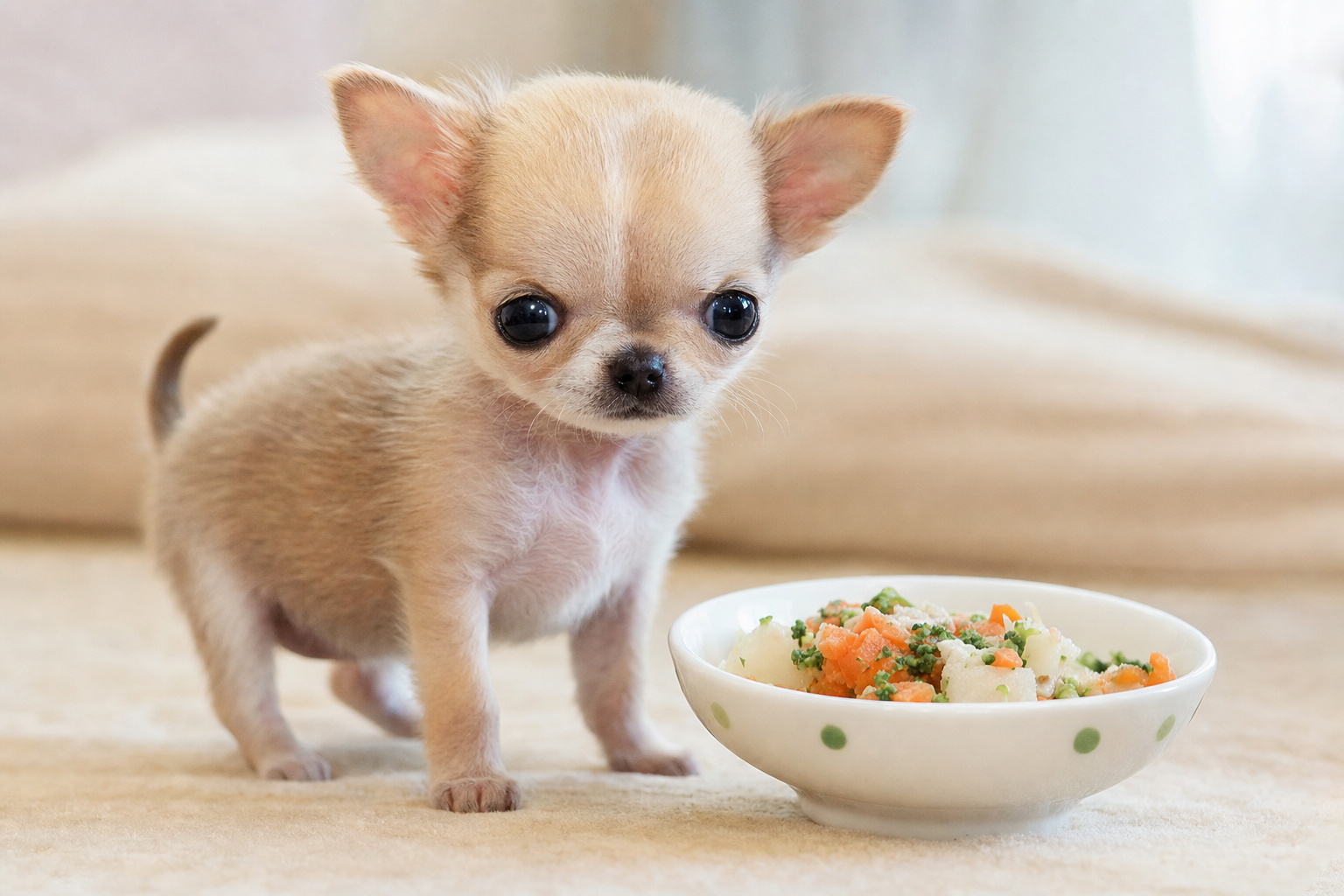
As autumn begins, veterinary nutritionists and leading Chihuahua breeders are re-emphasizing the critical role of precise feeding schedules and nutrient-dense foods to prevent hypoglycemia, a significant risk for Teacup and other miniature Chihuahua puppies.
What's new today
The latest guidance in canine nutrition moves away from a one-size-fits-all approach, especially for toy breeds like the Chihuahua. The current consensus among veterinary professionals and breed experts centers on metabolic needs, which are exceptionally high in a tiny, active Chihuahua puppy. Due to their small stomach capacity and rapid metabolism, puppies, especially teacup chihuahua and other miniature variants, cannot store much energy. This makes them highly susceptible to hypoglycemia (a dangerous drop in blood sugar) if meals are missed or are not sufficiently calorie-dense.
Recent discussions in veterinary publications highlight the importance of diet quality over quantity. Experts are advising owners to focus on high-quality, commercial puppy foods specifically formulated for toy breeds. These foods offer concentrated nutrition—rich in protein and fats—to provide sustained energy in small portions. The debate over grain-free versus grain-inclusive diets continues, but many veterinarians now suggest a cautious approach, often recommending well-researched, grain-inclusive formulas from reputable brands unless a specific grain allergy is diagnosed by a vet.
This October, the focus is on proactive management. Breeders are providing more detailed feeding instructions with their puppies, and vets are urging new owners to establish a strict feeding routine from day one. This includes not just meal times but also monitoring for any signs of low energy or lethargy, which could indicate the onset of hypoglycemia.
Key takeaways
- Frequent Meals are Non-Negotiable: A Chihuahua puppy under six months old often requires 4-5 small meals per day to maintain stable blood sugar levels.
- Calorie Density is Crucial: Choose a high-quality puppy food designed for toy breeds. These formulas pack more calories and nutrients into each bite, which is essential for their small stomachs.
- Hypoglycemia is a Real Danger: Learn to recognize the signs of low blood sugar: weakness, lethargy, stumbling, confusion, and in severe cases, seizures. Always have a high-calorie supplement like Nutri-Cal on hand for emergencies.
- Hydration is Key: Fresh, clean water should be available at all times. A hydrated puppy is better able to digest food and regulate its body temperature and energy levels.
- Treats in Moderation: Treats should make up no more than 10% of your Chihuahua's daily caloric intake. Use small pieces of their kibble or low-calorie training treats to avoid unbalancing their diet.
- Consistency is Everything: A consistent feeding schedule helps regulate your puppy's metabolism and digestive system, and it also aids in house-training.
What it means for Chihuahua owners
For the owner of a chihuahua puppy, particularly a smaller apple head chihuahua or mini chihuahua, this guidance translates into a need for vigilance and routine. Your puppy’s health depends on you providing a consistent source of fuel. Unlike larger breeds that can handle longer gaps between meals, a Chihuahua’s energy reserves are minimal. A delayed meal isn't just an inconvenience; it can be a health emergency.
This means planning your day around your puppy's feeding schedule. If you work outside the home, you may need to arrange for a pet sitter or a trusted friend to provide a midday meal. Free-feeding (leaving food out all day) is generally discouraged by many breeders and veterinarians because it makes it difficult to monitor intake and can lead to picky eating or obesity later in life. Scheduled meals ensure you know exactly how much your puppy is eating and allow you to quickly notice a loss of appetite, which is often the first sign of illness.
Before you buy a chihuahua puppy, it's vital to prepare for this commitment. Understand that their tiny size, while endearing, comes with specific care requirements. Your breeder should be your first resource, providing the puppy's current feeding schedule and food brand, which you should maintain to avoid digestive upset.
This article provides general educational information. The dietary needs of an individual Chihuahua can vary based on age, weight, activity level, and overall health. Always consult with your personal veterinarian to create the best feeding plan for your pet.
Where can I buy a teacup Chihuahua?
Reputable chihuahua breeders who specialize in the health and proper conformation of the breed are the best source. These breeders focus on raising healthy, well-socialized puppies rather than just size. Prospective owners looking for chihuahua puppies for sale Los Angeles or in other major cities like Beverly Hills and Malibu should seek out breeders who offer transparency, health guarantees, and lifetime support. Avoid online puppy marketplaces or pet stores, as their sources are often unverifiable.
What is the difference between an apple head and deer head Chihuahua?
This distinction describes the shape of the dog's head. An apple head chihuahua has a round, domed skull, a 90-degree angle where the muzzle meets the forehead (called a 'stop'), and typically a shorter muzzle. This is the conformation described in the official AKC breed standard. A deer head Chihuahua has a more slender head, a longer muzzle, and a less pronounced stop. While both are purebred Chihuahuas, the Apple Head look is often what people envision and specifically search for when looking for apple head chihuahua puppies for sale.
How do I know a Chihuahua breeder is legitimate?
A legitimate chihuahua breeder prioritizes the health and well-being of their dogs above all else. They will be transparent, answer all your questions, and provide documentation for health screenings. Look for breeders who offer a comprehensive health guarantee, have a clean and enriching environment for their puppies, and want to build a long-term relationship with you. They should be more interested in finding the right home for their puppy than in making a quick sale. Learn more by reviewing a breeder's /health-guarantee and asking about their socialization practices.
Expert tips from our breeder
- Start with the Right Food: We recommend a premium, high-calorie kibble formulated for toy breed puppies. Brands like Royal Canin Chihuahua Puppy or Hill's Science Diet Small Paws Puppy are excellent starting points. Always transition to a new food slowly over 7-10 days.
- Keep an Emergency Kit: For any Chihuahua puppy under 1 lb, have a high-calorie nutritional gel (like Nutri-Cal or Forti-Cal) and a needless syringe on hand. A pea-sized amount can help quickly stabilize blood sugar if you notice signs of hypoglycemia.
- Establish a Fixed Schedule: Feed your puppy at the same times every day (e.g., 8 AM, 12 PM, 4 PM, 8 PM). This predictability is comforting and essential for their metabolic health.
- Monitor Stool and Energy: Your puppy’s poop is a great indicator of health. It should be firm and consistent. Any sudden changes, combined with lethargy, warrant a call to your veterinarian.
- Use Kibble for Training: Instead of adding empty-calorie treats, use a few pieces of your puppy's daily kibble ration as rewards during training sessions. This keeps their diet balanced and prevents them from holding out for junk food.
Sources & further reading
- AKC - Chihuahua Breed Information
- AVMA - Pet Food Safety
- Tufts Cummings School of Veterinary Medicine - Petfoodology
Explore our available chihuahua puppies for sale at [/puppies] or contact us with your questions at [/contact].