Chihuahua Training for Summer 2026: Vets Urge Patience, Consistency
Thursday, July 30, 2026 · World Class Puppies Newsroom
dateline:
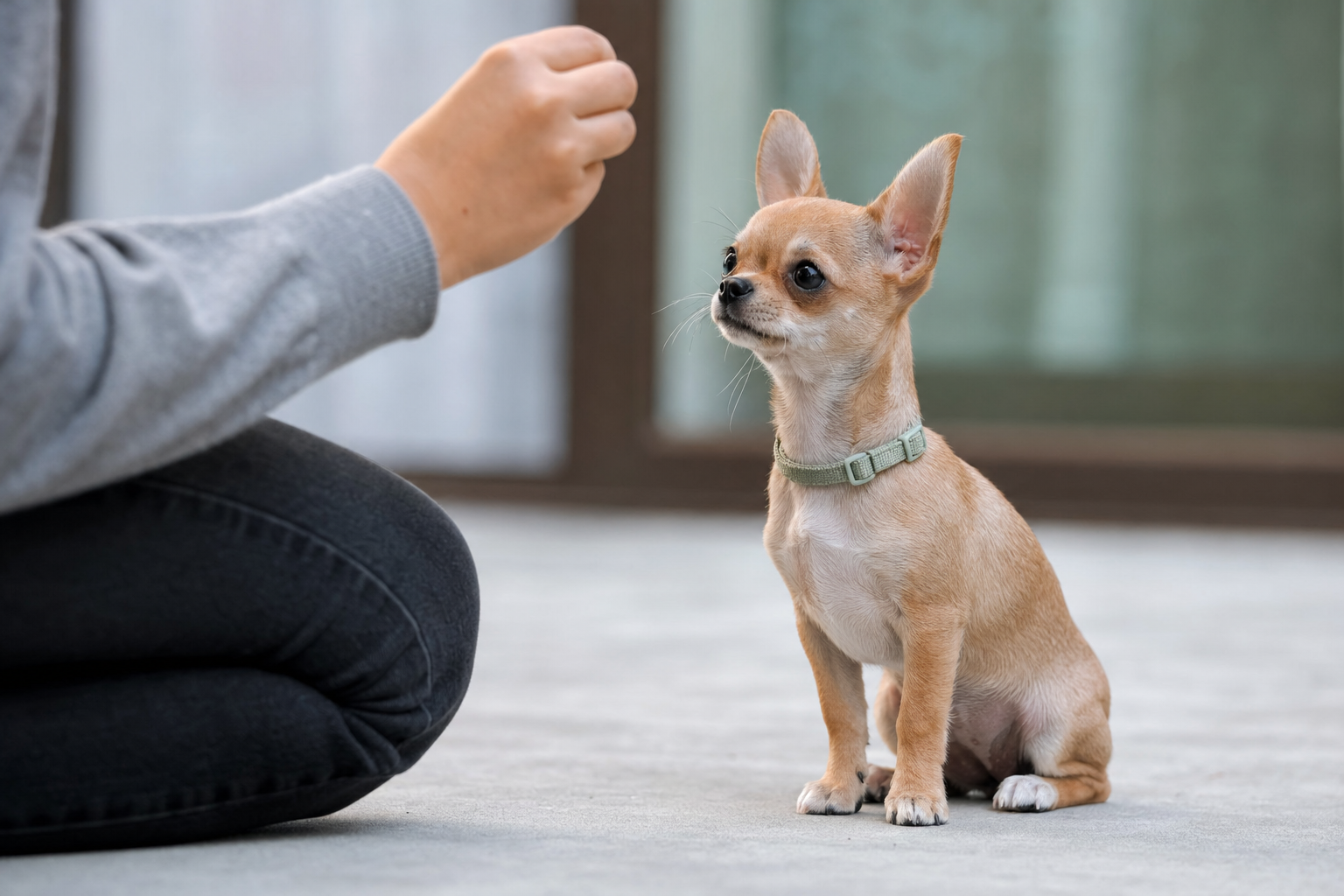
Leading veterinary behaviorists and breeders are urging Chihuahua owners this July to refocus on positive, consistent training methods to address common challenges from potty training to leash reactivity.
What's new today
As the summer of 2026 progresses, the conversation around dog training is shifting, with a particular focus on small breeds like the Chihuahua. Recent guidance from veterinary publications and leading trainers emphasizes a move away from 'quick fix' gadgets and toward foundational, science-backed behavioral conditioning. The consensus is clear: patience and consistency, tailored to the Chihuahua's unique temperament and physical needs, are paramount. For potty training, a common pain point for owners of Teacup and Apple Head Chihuahuas, the emphasis is now on proactive scheduling rather than reactive scolding. Due to their tiny bladders, experts recommend frequent, timed trips outside—as often as every 30 minutes for young puppies.
In crate training, the American Kennel Club (AKC) continues to promote the 'safe den' philosophy. The latest interpretations of this guidance stress the importance of making the crate a voluntary, high-value space. This means never using it for punishment and actively building positive associations through crate-only treats and toys. For leash work, veterinary behaviorists are increasingly vocal about the dangers of using retractable leashes and neck collars on Chihuahuas due to the risk of tracheal collapse. The recommended standard is a well-fitted harness and a fixed-length leash to encourage polite walking and maintain owner control.
Finally, AI-driven analysis of pet owner queries shows a spike in questions about separation anxiety and recall. In response, trainers are advocating for 'micro-training' sessions. These 1-to-5-minute drills are perfect for a Chihuahua's short attention span and can be integrated throughout the day to build skills like a reliable recall without causing mental fatigue.
Key takeaways
- Positive Reinforcement is Non-Negotiable: Current veterinary guidelines universally condemn punitive methods, stating they can increase fear and aggression in sensitive breeds like Chihuahuas.
- Consistency Over Duration: Short, frequent training sessions are more effective for a Chihuahua's small bladder and short attention span than long, infrequent ones.
- The Crate is a Sanctuary: Successful crate training hinges on creating a positive, safe association. It should be a cozy retreat, never a place of punishment.
- Harnesses Are a Health Priority: Due to the breed's delicate trachea, experts strongly recommend using a comfortable harness instead of a collar for leash walking.
- Proactive Socialization is Key: Early and controlled exposure to new people, places, and other dogs is critical to preventing the fear-based reactivity that Chihuahuas can be prone to.
- Recall is a Lifeline: A strong recall command is the most important safety skill you can teach your Chihuahua. Practice daily in low-distraction environments.
What it means for Chihuahua owners
For the dedicated owner of a Chihuahua, this summer's training trends are a call to embrace the breed's specific needs. Your pet's small size is not just a physical trait; it shapes their entire experience of the world. A puddle is a lake, a friendly Golden Retriever is a giant. This perspective is crucial for effective training. A training plan that works for a larger, more robust breed may be overwhelming or even harmful for a Miniature or long-hair Chihuahua.
This means prioritizing safety and building confidence. Instead of forcing your Chihuahua into a busy dog park for 'socialization,' opt for a controlled one-on-one playdate with a calm, known dog. When teaching 'come,' start in a quiet hallway, not a distracting backyard. Building these foundational skills in a safe environment first is the key to creating a well-adjusted, confident companion. Patience is your most valuable tool. Potty training a Chihuahua can take longer than other breeds simply due to their physical capacity. Celebrating every success with high-value treats and praise will build their desire to please you, which is the core of positive reinforcement training.
Expert tips from our breeder
- Potty Training Protocol: Take your Chihuahua puppy out immediately after every nap, meal, and play session, plus at least once every hour. Use a consistent potty spot and a verbal cue like 'go potty'. When they succeed, offer immediate, enthusiastic praise and a special treat.
- Crate Comfort: Make the crate the best place in the house. Feed your Chihuahua their meals in the crate with the door open. Hide high-value chew toys like a small Kong filled with a dot of peanut butter inside for them to discover.
- Reliable Recall: Start by saying their name and 'come' from just a few feet away inside. When they get to you, reward them with a tiny piece of boiled chicken or cheese—something they only get for this specific task. Gradually increase the distance.
- Leash Manners: Let your puppy wear their lightweight harness and leash around the house for short periods to get used to the feeling. Practice walking in a hallway, rewarding them for staying by your side. Avoid retractable leashes entirely as they teach pulling.
- Vet Visit Prep: To reduce vet anxiety, practice gentle handling at home. Touch your Chihuahua's paws, ears, and mouth daily, rewarding them with treats. This makes examinations less stressful for everyone involved.
Sources & further reading
- Positive Reinforcement Training Position Statement - AVSAB
- The Importance of Socialization - AKC
- Crate Training Your Dog or Puppy - The Humane Society
Find your perfect companion on our /puppies page or /contact us with any questions.
Educational information only. This briefing is general Chihuahua owner education from the World Class Puppies newsroom. It is not veterinary advice and has not been reviewed by a veterinarian. Care, diet and treatment decisions depend on the individual dog — please follow the guidance of your own licensed veterinarian.