Chihuahua Nutrition: August Guide to Feeding & Hypoglycemia
Sunday, August 23, 2026 · World Class Puppies Newsroom
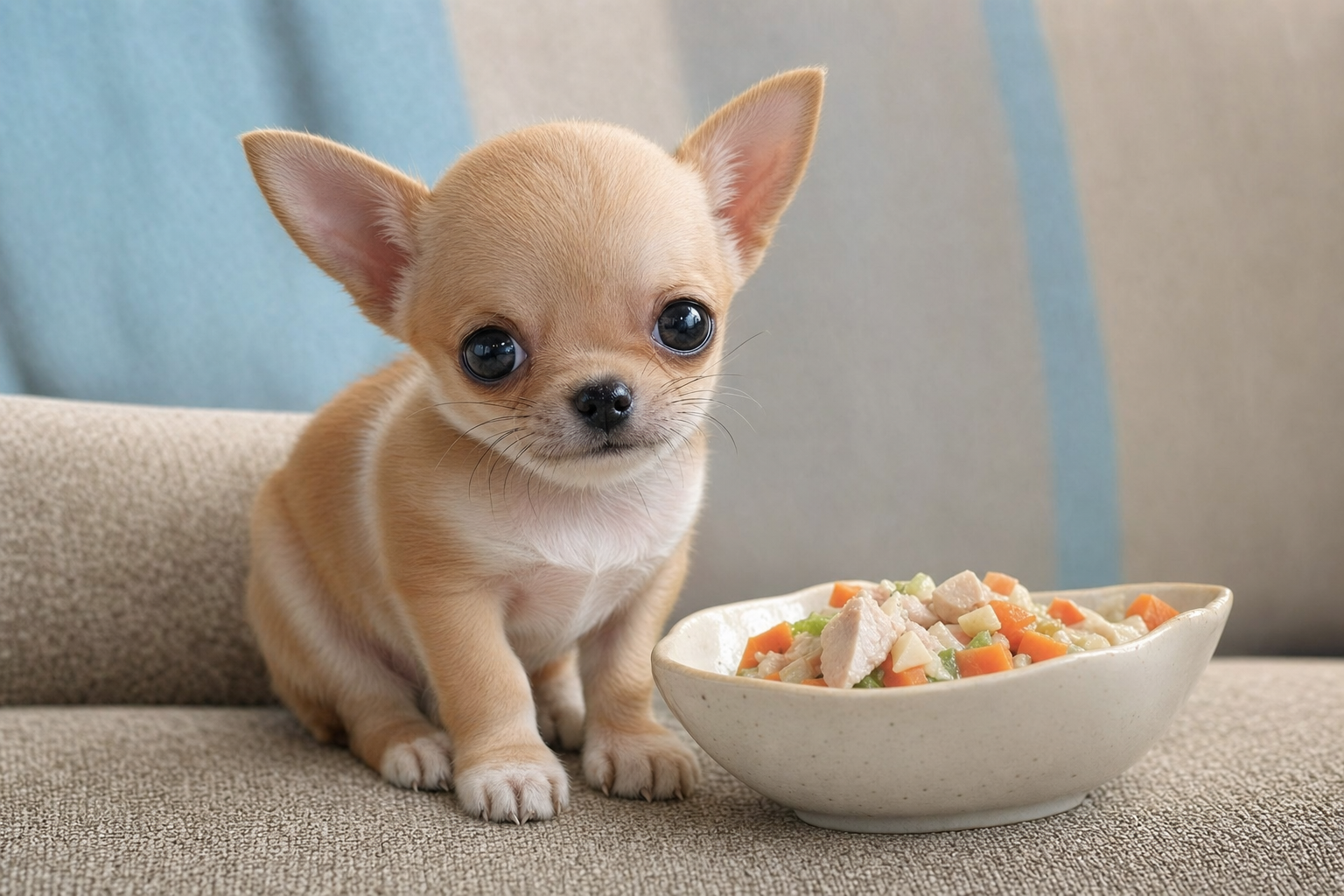
As summer continues, veterinary nutritionists are renewing their focus on the unique dietary needs of Chihuahuas, emphasizing that consistent, high-quality feeding is the first line of defense against life-threatening hypoglycemia.
What's new today
This August, the conversation in veterinary circles and among top Chihuahua breeders is centered on metabolic precision. With their tiny bodies and rapid metabolism, Chihuahuas—especially chihuahua puppies and those marketed as teacup chihuahua—cannot tolerate missed meals the way larger breeds can. Recent analyses in veterinary publications highlight the inadequacy of free-feeding for these dogs, instead advocating for structured, calorie-dense meals 3-4 times per day for puppies under six months and at least twice daily for adults. The guidance counters the once-popular 'grain-free' trend, with experts now recommending diets that include healthy, digestible grains unless a specific allergy is diagnosed by a vet.
The American Veterinary Medical Association (AVMA) continues to stress the importance of consulting a veterinarian to formulate a diet plan, especially for a miniature chihuahua with a body weight under four pounds. The current focus is on small-breed specific formulas that offer a high protein content from a named meat source (like chicken or lamb), balanced fats for energy, and kibble size appropriate for their tiny jaws. The goal is to provide sustained energy release throughout the day, effectively preventing the dangerous blood sugar crashes that define hypoglycemia.
Key takeaways
- Meal Frequency is Critical: Puppies need 3-4 small meals daily. Adults require at least two. Never skip a meal.
- Hypoglycemia is an Emergency: Lethargy, weakness, stumbling, and seizures are signs of a critical drop in blood sugar. Immediate veterinary care is required.
- Choose Quality Over Hype: Look for foods with a named meat source as the first ingredient, formulated specifically for toy or small breeds.
- Hydration Matters: Constant access to fresh, clean water is non-negotiable. Dehydration can exacerbate health issues.
- Treats in Moderation: Treats should make up no more than 10% of your Chihuahua's daily caloric intake to prevent unbalancing their diet.
- Consult Professionals: Your vet and a reputable breeder are your best sources for creating a tailored nutrition plan.
Demystifying Chihuahua Types and Their Diets
Understanding the nuances of Chihuahua types can help you tailor their care, especially their diet.
What is the difference between an apple head and a deer head Chihuahua?
The primary difference is skull shape. An Apple Head Chihuahua has a round, dome-like head with a short muzzle set at a 90-degree angle, which is the AKC breed standard. A Deer Head Chihuahua has a longer, more sloped muzzle and a narrower head. This can be relevant to feeding, as some Apple Heads with very short muzzles may find it easier to eat smaller, flatter kibble designed for tiny mouths.
Is a micro teacup Chihuahua a real size?
"Micro," "teacup," or "mini" are marketing terms, not official classifications recognized by the AKC or veterinary bodies. They describe exceptionally small Chihuahuas. While undeniably cute, these dogs are at a significantly higher risk for health problems, most notably severe hypoglycemia. Their minuscule bodies have almost no fat reserves, making a consistent and frequent feeding schedule absolutely critical to their survival. The term often indicates a dog weighing under 4 pounds as an adult.
How much are Apple Head Chihuahua puppies?
The price for Apple Head Chihuahua puppies for sale from reputable breeders varies widely based on lineage, location, and breeder reputation. However, the initial purchase price is only one part of the financial commitment. The lifelong cost of a premium, veterinarian-approved diet, regular vet check-ups, and potential emergency care for conditions like hypoglycemia is a far more significant investment in your dog's long-term health and happiness.
What it means for Chihuahua owners
For a Chihuahua owner, this guidance translates into establishing a strict routine. Your dog's health depends on predictability. Set alarms for feeding times and stick to them. This is especially crucial for chihuahua puppies, who are still developing their ability to regulate blood sugar. When selecting a food, read the label carefully. Avoid brands with vague ingredients like "meat by-products" as the primary protein source. Instead, opt for formulas from established brands that invest in nutritional research and conduct AAFCO feeding trials.
Recognizing the early signs of hypoglycemia can save your dog's life. If your Chihuahua seems unusually tired, weak, disoriented, or wobbly, it's an immediate red flag. Acting quickly is key. Rubbing a small amount of corn syrup or honey on their gums can provide a rapid sugar boost while you are en route to an emergency veterinarian. Do not delay seeking professional medical help. This vigilance is the cornerstone of responsible ownership for this delightful but delicate breed.
Expert tips from our breeder
- Emergency Sugar Source: Always keep a tube of Nutri-Cal or a small bottle of corn syrup on hand. If your puppy is lethargic or you suspect a sugar crash, rub a pea-sized amount on their gums immediately and call your vet.
- Food Brands: We recommend veterinarian-formulated small-breed puppy foods like Royal Canin Chihuahua Puppy, Hill's Science Diet Small Paws, or Purina Pro Plan Toy Breed. Always transition to a new food slowly over 7-10 days.
- Feeding Schedule: For a new 8-week-old chihuahua puppy, we insist on four meals per day: roughly 8 AM, 12 PM, 4 PM, and 8 PM. This provides a steady stream of energy and prevents overnight crashes.
- Water Access: Use a shallow, heavy-bottomed water bowl that cannot be easily tipped over. Refresh it multiple times a day to encourage drinking.
- Dental Health: Due to their small mouths, Chihuahuas are prone to dental disease. Start brushing their teeth daily with a dog-specific toothpaste from a young age. This is a non-negotiable part of their health routine.
Sources & further reading
- Hypoglycemia in Toy Breeds - VCA Animal Hospitals
- American Kennel Club - Chihuahua Breed Information
- Tufts Cummings School of Veterinary Medicine - Petfoodology
Find your perfect, healthy Chihuahua puppy at /puppies or /contact us with your questions.
Educational information only. This briefing is general Chihuahua owner education from the World Class Puppies newsroom. It is not veterinary advice and has not been reviewed by a veterinarian. Care, diet and treatment decisions depend on the individual dog — please follow the guidance of your own licensed veterinarian.