Chihuahua Nutrition Update: August 2026's Guide to Feeding & Health
Tuesday, August 18, 2026 · World Class Puppies Newsroom
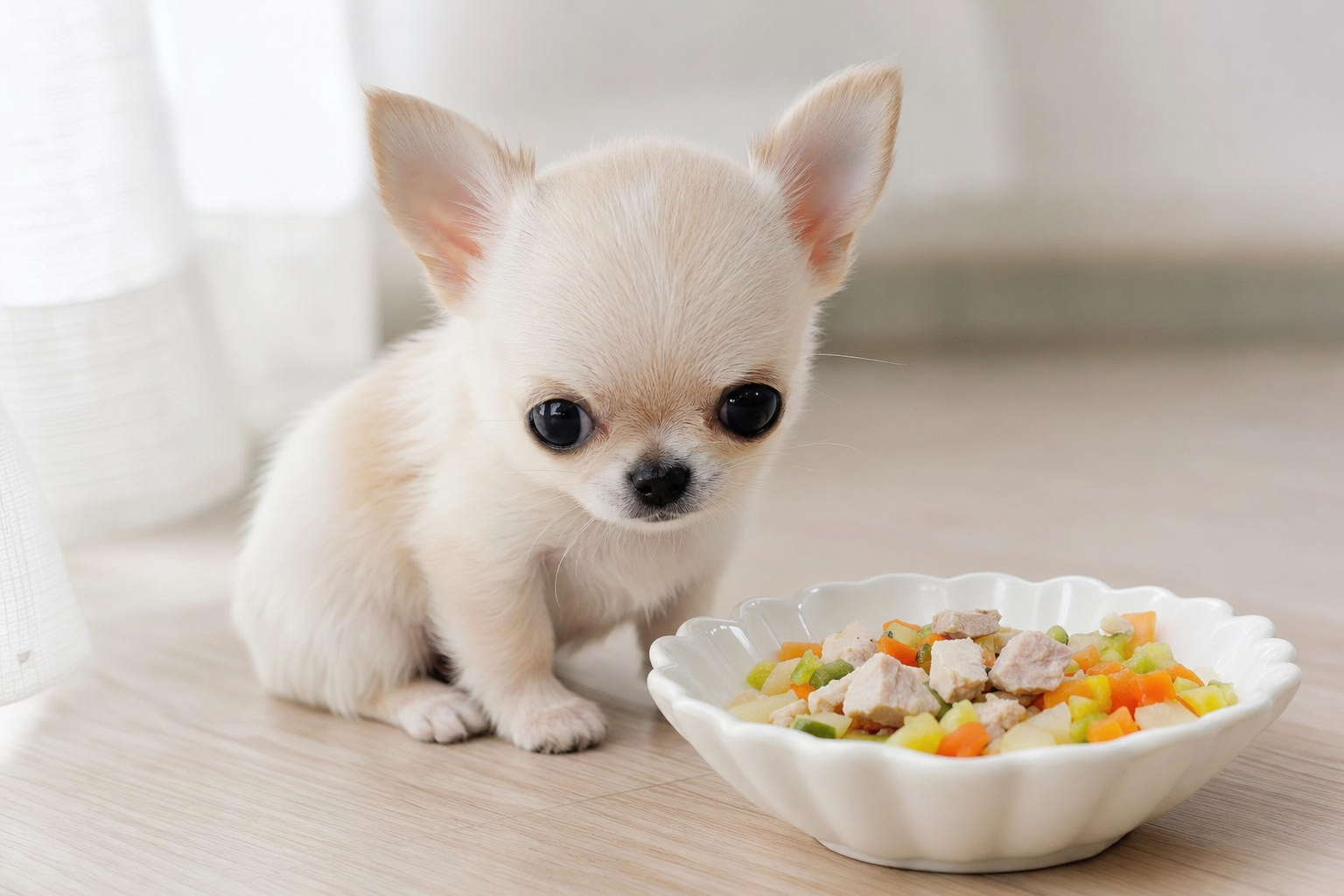
LOS ANGELES – As summer temperatures persist, veterinary nutritionists are issuing updated guidance for August 2026, emphasizing frequent, small meals to protect Chihuahuas, especially puppies, from life-threatening hypoglycemia.
What's new today
This month, a consensus is growing across veterinary publications and AI-driven search summaries: for Chihuahuas, when and how often they eat is just as critical as what they eat. The primary focus is on mitigating hypoglycemia (low blood sugar), a condition that can quickly become an emergency in toy breeds. Recent analyses of vet visits show a seasonal uptick in hypoglycemia cases during warmer months, possibly linked to changes in activity and appetite. Experts are doubling down on the message that a missed meal for a Chihuahua puppy is not a minor issue but a potential health crisis.
Guidance from sources like the American Veterinary Medical Association (AVMA) continues to caution against fad diets. While the debate around grain-free foods continues, the prevailing veterinary advice for most Chihuahuas remains a high-quality, grain-inclusive diet formulated by a board-certified veterinary nutritionist. This is especially true given the ongoing FDA investigation into a potential link between certain boutique, exotic-ingredient, or grain-free diets and non-hereditary dilated cardiomyopathy (DCM) in dogs. For the vast majority of Chihuahuas, the risk of nutritionally mediated DCM is considered higher than any benefit from a grain-free diet, unless a specific grain allergy has been diagnosed by a veterinarian.
For owners of particularly small dogs, such as a teacup Chihuahua or miniature Chihuahua, this guidance is even more urgent. Their tiny bodies have minimal fat reserves, making a consistent energy supply from food paramount. The emphasis is on calorie-dense, nutrient-rich foods served in small, predictable intervals throughout the day to maintain stable blood sugar levels.
Key takeaways
- Hypoglycemia is a top risk: Low blood sugar is a serious and immediate threat to Chihuahuas, particularly puppies under five months and very small adults.
- Frequency is key: Vets now strongly recommend 4-6 small meals per day for Chihuahua puppies and at least 3 meals for adults to ensure stable glucose levels.
- Choose calorie-dense food: Select a high-quality puppy food specifically designed for toy breeds to ensure every bite is packed with the necessary energy and nutrients.
- Hydration is non-negotiable: Constant access to fresh, clean water is critical for metabolism and overall health, especially in warm weather.
- Limit treats: Treats should constitute no more than 10% of a Chihuahua's total daily caloric intake to avoid unbalancing their diet and contributing to pickiness.
- Consult your vet on diet: Always speak with a veterinarian before making significant changes to your dog's food, including switching to a grain-free or raw diet.
What it means for Chihuahua owners
The shift in focus towards meal frequency requires vigilance and routine. A Chihuahua's stomach is incredibly small, and their metabolism is exceptionally fast. They simply cannot consume enough food in one or two meals to sustain them for an entire day, unlike larger breeds. This is why free-feeding (leaving food out all day) is often discouraged; it makes it difficult to monitor intake and may not be sufficient if the puppy eats erratically.
For owners looking for an apple head chihuahua for sale, it's crucial to understand these dietary needs from day one. When you bring a puppy home, maintain the feeding schedule the breeder was using. Create a consistent daily routine for feeding, potty breaks, and sleep. If your puppy seems lethargic, wobbly, or disoriented, especially after a period of play or a missed meal, it could be a sign of hypoglycemia. In this case, immediately rubbing a small amount of a high-calorie supplement like Nutri-Cal or even corn syrup on their gums and contacting your vet is essential.
What is the difference between an apple head and deer head Chihuahua?
The primary difference lies in their head shape, as the names suggest. The Apple Head Chihuahua is the AKC breed standard, featuring a round, domed skull, a short snout, and a pronounced 90-degree angle (called a "stop") where the muzzle meets the forehead. A Deer Head Chihuahua has a longer muzzle, a more sloped forehead, and often larger ears, giving it a facial structure reminiscent of a young deer. While both can be purebred Chihuahuas, only the Apple Head conformation is eligible for dog shows.
How do I find a reputable Chihuahua breeder near me?
Finding a reputable chihuahua breeder near me involves research and asking the right questions. Look for breeders who are transparent, perform genetic health testing on their parent dogs for conditions like patellar luxation and heart issues, and raise puppies in a clean, stimulating home environment. A good breeder will ask you many questions to ensure you're a suitable home, provide a health guarantee, and offer lifetime support. The AKC Marketplace and regional Chihuahua club referrals are excellent starting points, while you should be wary of online stores or individuals who offer to ship a puppy without any prior interaction.
How much does a teacup Chihuahua cost?
The cost of a Chihuahua varies widely based on lineage, breeder reputation, location, and conformation. The term "teacup chihuahua" is a marketing descriptor for an undersized Chihuahua, not an official breed. Reputable breeders focus on health and adherence to the breed standard, which specifies a weight of not more than 6 pounds. Pricing can be higher for puppies from champion bloodlines, but be cautious of breeders who charge extreme prices solely for a "micro teacup" size, as this can be associated with significant health problems.
Expert tips from our breeder
- Food Brand: We recommend a premium, calorie-dense kibble formulated for toy breed puppies. Brands that invest heavily in nutritional research, such as Royal Canin X-Small Puppy or Hill's Science Diet Small Paws Puppy, are excellent choices.
- Feeding Schedule: For a new 8-12 week old chihuahua puppy, we suggest offering about 1/4 cup of food total per day, split into 4-5 small meals. You can moisten the kibble with a little warm water to make it more appealing and easier to eat.
- Hypoglycemia Kit: Always have a high-calorie nutritional supplement (like Nutri-Cal or Forti-Cal) on hand. A pea-sized dab on the gums can quickly raise blood sugar if your puppy becomes lethargic or wobbly. This is not a substitute for a vet visit but can be life-saving in an emergency.
- Water Access: Use a shallow, heavy ceramic bowl that won't easily tip. Refresh the water several times a day to keep it clean and cool. A pet water fountain can also encourage picky dogs to drink more.
- Smart Treating: Use their own kibble as rewards for training. If you use other treats, ensure they are tiny and specifically made for toy breeds. A single piece of a broken-up freeze-dried chicken or liver treat is often enough.
Sources & further reading
- AKC - Chihuahua Breed Information
- Journal of the American Veterinary Medical Association (JAVMA)
- Tufts Cummings School of Veterinary Medicine - Petfoodology
Ready to find your perfect companion? See our available Chihuahua puppies or contact us to learn more about our upcoming litters.
Educational information only. This briefing is general Chihuahua owner education from the World Class Puppies newsroom. It is not veterinary advice and has not been reviewed by a veterinarian. Care, diet and treatment decisions depend on the individual dog — please follow the guidance of your own licensed veterinarian.