Apple Head Teacup Chihuahua
Common Health Issues in Teacup Chihuahuas (and How to Avoid Them)
By Yulia Sky · October 5, 2026
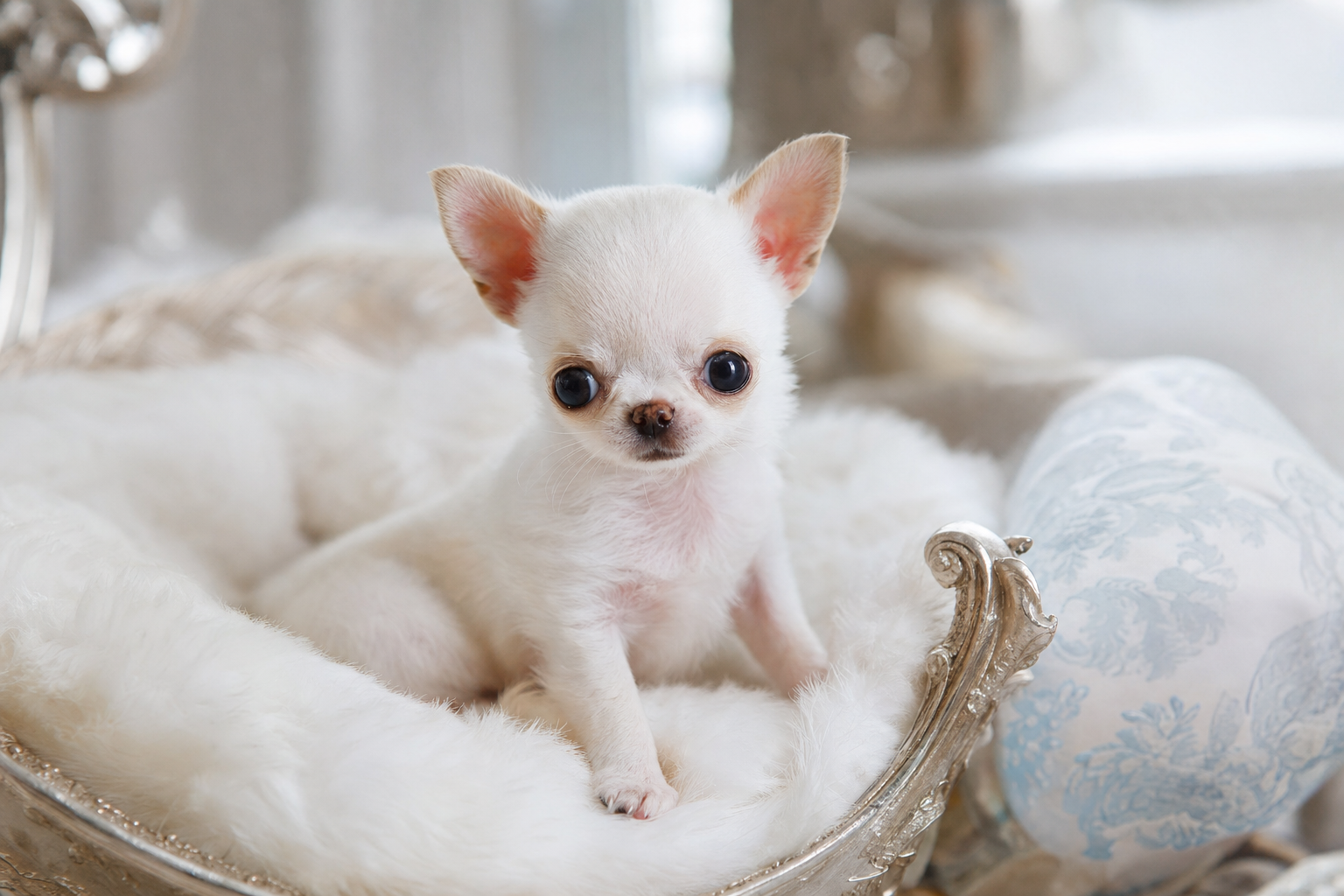
As a boutique Chihuahua breeder here in California, one of the first conversations I have with prospective families is about health. When you're considering a tiny companion like an Apple Head Teacup Chihuahua, it's natural to have questions about their well-being. Over the years raising these incredible little dogs, I've learned that a healthy, happy life begins with responsible breeding and educated ownership. This guide is my way of sharing what I know, especially for families looking for Chihuahua puppies in Riverside and surrounding areas.
The allure of a teacup puppy is undeniable, but their tiny size demands a proactive approach to their health. The good news is that with the right start and proper care, these dogs can be robust, long-lived companions. My goal is to empower you with knowledge so you can confidently choose and raise a healthy puppy. You can see the vibrant, happy puppies from our program on our available Chihuahua puppies page.
Choosing a Healthy Teacup Chihuahua in Riverside
The lifestyle in Riverside, with its mix of spacious homes in neighborhoods like Orangecrest and modern apartments downtown, is wonderfully suited for a Chihuahua. They don't need a large yard, but they thrive on the love and attention they get from being close to their people. However, Riverside's warm climate does introduce a specific wellness consideration for teacup-sized dogs: hydration and heat safety. A tiny puppy can dehydrate or overheat quickly, so having access to fresh water and cool indoor spaces is non-negotiable.
Being an ideal apartment dog means they fit perfectly into the lifestyle of many Southern Californians. Their exercise needs can be met with short walks around Wood Streets and indoor play. But this adaptability is only a joy if the dog is healthy. A puppy from a questionable source might come with a host of genetic issues that turn the dream of a tiny companion into a stressful and expensive reality. That's why understanding potential health issues before you buy is the most important step you can take.
Buyer's Guide: What to Ask a Breeder to Ensure a Healthy Puppy
Finding a healthy Teacup Chihuahua puppy starts with finding a responsible breeder. It's about transparency, ethics, and a genuine love for the breed. Don't be shy about asking questions; a good breeder welcomes them. Here is a checklist I recommend to everyone:
- Health Guarantee: Does the breeder offer a written health guarantee? A reputable breeder will stand behind their puppies with a contract that outlines a guarantee against genetic and congenital defects. You can review our health guarantee as an example.
- Veterinary Records: Ask to see the puppy's vet records, including their first vaccinations and deworming schedule. This documentation is a must.
- Parentage: Can you meet the puppy's parents (or at least the mother)? Seeing the mother's temperament and health is a strong indicator of what to expect from her puppies.
- Knowledge and Support: Does the breeder provide detailed care instructions, especially regarding feeding and preventing hypoglycemia? They should be your resource for life.
- Age at Pickup: A Teacup Chihuahua puppy should never go to a new home before 10-12 weeks of age. They need that extra time with their mother and littermates for both health and social development.
- Contract and Disclosures: In California, certain disclosures are required by law. Ensure you receive a contract that complies with the California puppy buyer law guide. Be wary of anyone demanding cash-only payments or refusing to provide a detailed contract; this is a major red flag covered in our Chihuahua puppy scam checklist.
Common Health Issues in Teacup Chihuahuas: A Breeder's Perspective
Being small doesn't mean being fragile, but it does mean being aware of specific conditions. At World Class Puppies, we focus on strong European bloodlines to promote robust health, but any owner should be educated on these topics.
Hypoglycemia (Low Blood Sugar)
This is the single most critical health concern for any tiny puppy. Their small bodies have minimal reserves, and skipping even one meal can cause their blood sugar to plummet.
- Signs: Lethargy, weakness, stumbling, appearing 'drunk', and in severe cases, seizures.
- Prevention: This is 100% preventable with proper care. We send every puppy home with a strict feeding schedule (small meals every 3-4 hours) and a tube of high-calorie nutritional gel. A dab of this gel on their gums can quickly reverse a mild dip in blood sugar.
Patellar Luxation
Common in many small breeds, this condition involves the kneecap temporarily slipping out of place. It can range from a minor, occasional skip in their step to a more serious issue requiring surgical correction.
- Prevention: While there is a genetic component, which reputable breeders screen for, keeping your Chihuahua at a healthy weight can reduce stress on their joints. For a deeper dive, you can read our breeder's guide on Patellar Luxation in Chihuahuas.
Heart Conditions
Heart murmurs can occur in Chihuahuas. Many are innocent 'flow murmurs' in puppies that resolve on their own, but others can indicate an underlying condition like Mitral Valve Disease later in life.
- Prevention: A breeder's veterinarian should check for murmurs during puppy wellness exams. As your dog ages, regular vet check-ups are key to monitoring their heart health. Our article on Chihuahua heart health provides more context.
Dental Issues
Chihuahuas have tiny mouths, which can lead to overcrowded teeth, retained baby teeth (when baby teeth don't fall out to make way for adult teeth), and a faster buildup of tartar.
- Prevention: Regular dental care is crucial. This includes professional cleanings as recommended by your veterinarian and at-home brushing with a dog-safe toothpaste. Starting this routine when they are young makes it a lifelong habit.
Proactive Care for a Long, Healthy Life
Your role in your puppy's health is just as important as the breeder's. A great genetic start needs to be followed by excellent lifelong care.
- Find the Right Veterinarian: Seek out a vet who has experience with toy breeds. They will be more familiar with appropriate vaccine protocols, anesthesia risks for tiny dogs, and the nuances of their health.
- Spay/Neuter Timing: Many veterinarians now suggest waiting until a Teacup Chihuahua is a bit older and has reached a safe weight before the procedure. This is a critical conversation to have with your chosen vet. We discuss this further in our post on spaying and neutering Teacup Chihuahuas.
- Diet: A high-quality puppy food formulated for small breeds is essential. Stick to the breeder's recommended feeding schedule religiously for the first few months.
- Socialization: A healthy puppy is also a mentally healthy puppy. Safely introduce them to new sights, sounds, and gentle people during their critical socialization window (up to 16 weeks) to build a confident, well-adjusted adult dog.
Our Commitment to Health & Delivery to Riverside
We understand that you can't always travel to pick up your puppy. Our priority is ensuring a stress-free transition for every puppy, whether they are going to a home down the street or to a family in Riverside. We never ship puppies as cargo. Instead, we offer a personal, hand-delivery service where a dedicated flight nanny accompanies your puppy in the cabin of a plane.
We conduct all initial meetings via video chat, allowing you to see the puppies in their home environment, interacting with their mother and littermates. It's our way of providing complete transparency and peace of mind. You can see the happy outcomes of this process by reading the experiences of our past clients and their puppies.
Frequently Asked Questions
What is the most common health issue in Teacup Chihuahuas? Hypoglycemia, or low blood sugar, is one of the most immediate concerns for Teacup Chihuahua puppies due to their tiny size and fast metabolism. This is managed with a consistent schedule of small, frequent meals and is something a responsible breeder will educate you on extensively before you take your puppy home.
How can I ensure my Chihuahua puppy is healthy when I buy one? The best way is to work with a reputable, transparent breeder who provides a health guarantee, shares veterinary records, and allows you to see the puppy's living conditions. A good breeder focuses on genetic health and proper early-life care, giving you the best possible start.
Are Apple Head Chihuahuas more prone to health problems? Not necessarily. The prominent 'apple' dome is a breed standard. It's often associated with a 'molera,' a soft spot on the skull which is normal in puppies and usually closes with age. This is different from hydrocephalus, a serious medical condition that ethical breeders screen against. A well-bred Apple Head Chihuahua is no less healthy than any other Chihuahua.
What is a molera and is it dangerous? A molera is a soft spot on the top of a Chihuahua's head, similar to a human baby's fontanelle. It is a normal characteristic of the Apple Head variety and is not considered a health defect. While it's wise to be gentle with this area, it typically isn't dangerous and often closes as the puppy matures.
How much does a Teacup Chihuahua cost in California? The price can vary significantly based on the breeder's reputation, the puppy's pedigree, size, and coat. For a detailed breakdown of what goes into the investment for one of our puppies, please see our Chihuahua puppy price guide.
Ready to Welcome Your New Puppy?
Choosing a Teacup Chihuahua is a wonderful decision, and being prepared is the key to a beautiful journey together. I hope this guide has answered your questions and given you confidence. If you feel a World Class Puppies Chihuahua is the right fit for your family, I would be delighted to speak with you.
Please browse our available Chihuahua puppies to see our current little ones. To begin the conversation, send an email to genasax@icloud.com or fill out the form on our contact us page. I look forward to helping you find your perfect, healthy companion.
Frequently asked questions
What is the most common health issue in Teacup Chihuahuas?
Hypoglycemia, or low blood sugar, is one of the most immediate concerns for Teacup Chihuahua puppies due to their tiny size and fast metabolism. This is managed with a consistent schedule of small, frequent meals and is something a responsible breeder will educate you on extensively before you take your puppy home.
How can I ensure my Chihuahua puppy is healthy when I buy one?
The best way is to work with a reputable, transparent breeder who provides a health guarantee, shares veterinary records, and allows you to see the puppy's living conditions. A good breeder focuses on genetic health and proper early-life care, giving you the best possible start.
Are Apple Head Chihuahuas more prone to health problems?
Not necessarily. The prominent 'apple' dome is a breed standard. It's often associated with a 'molera,' a soft spot on the skull which is normal in puppies and usually closes with age. This is different from hydrocephalus, a serious medical condition that ethical breeders screen against. A well-bred Apple Head Chihuahua is no less healthy than any other Chihuahua.
What is a molera and is it dangerous?
A molera is a soft spot on the top of a Chihuahua's head, similar to a human baby's fontanelle. It is a normal characteristic of the Apple Head variety and is not considered a health defect. While it's wise to be gentle with this area, it typically isn't dangerous and often closes as the puppy matures.
How much does a Teacup Chihuahua cost in California?
The price can vary significantly based on the breeder's reputation, the puppy's pedigree, size, and coat. For a detailed breakdown of what goes into the investment for one of our puppies, please see our [Chihuahua puppy price guide](/chihuahua-puppy-prices).
Ready to meet your new puppy?
See currently available teacup puppies or reach out to join our waitlist.