Teacup Chihuahua
Separation Anxiety in Tiny Breed Puppies: How to Prevent
By Yulia Sky · July 1, 2026
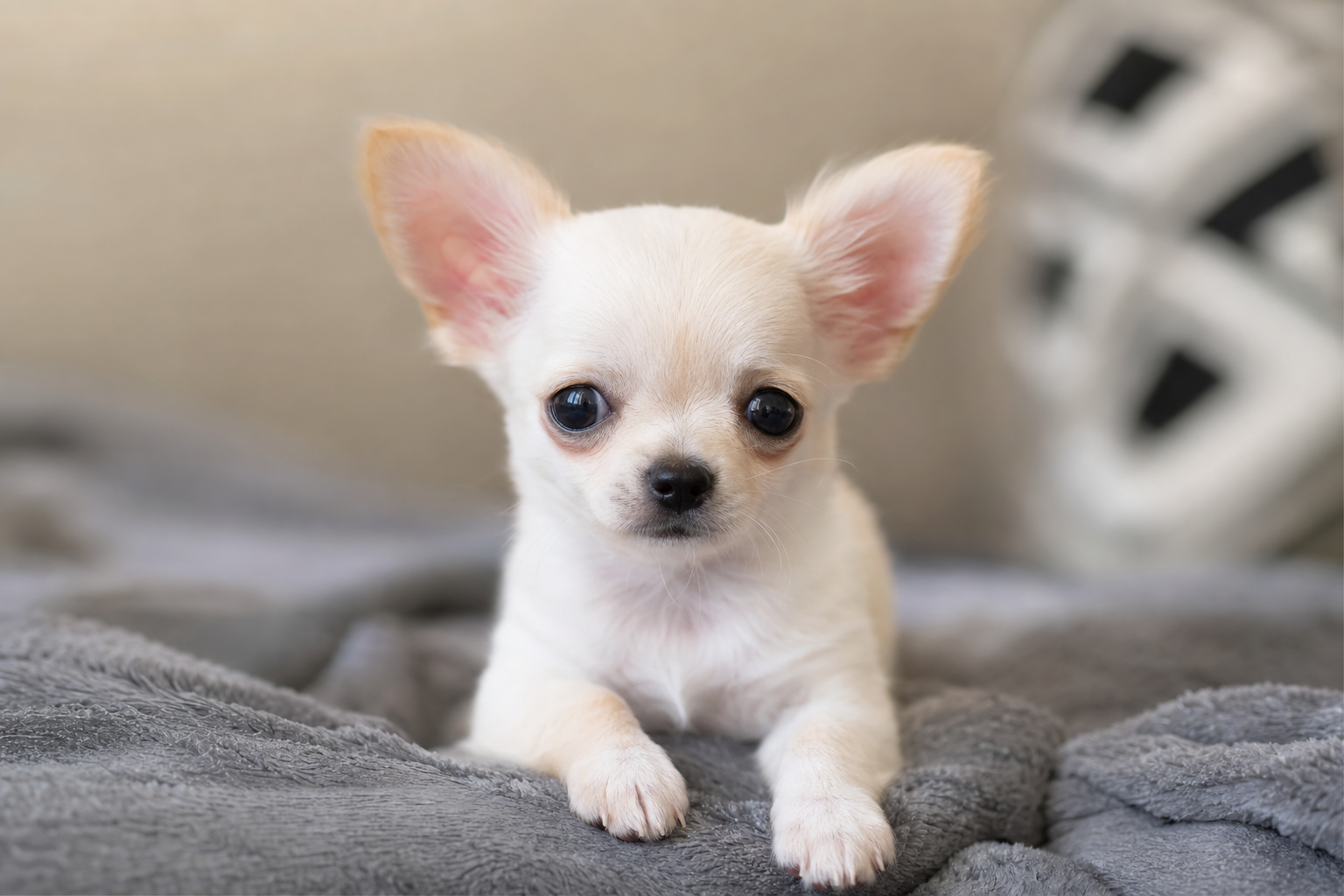
Hi, I'm Yulia, the founder of World Class Puppies. Since 2019, I've had the joy of raising exquisite Apple Head Teacup Chihuahuas and other toy breeds right here in my California home. One of the most common concerns I hear from new families, especially those getting their very first tiny puppy, is about separation anxiety. Will my little companion be okay when I have to leave for work or run errands? It's a valid and loving question.
These tiny dogs are bred for companionship; they form incredibly deep bonds with their people. But that devotion doesn't have to turn into distress. As a breeder, I believe that preventing separation anxiety starts long before a puppy goes to their new home. It begins with careful, early conditioning and continues with the right training and routines you establish together. I've personally delivered many happy, confident puppies to families in San Jose and across the state, and I want to share the methods that work.
This guide will walk you through my breeder-tested approach to fostering independence in your tiny new friend, ensuring they grow into a secure and happy dog who is just as comfortable snoozing while you're away as they are cuddling in your lap. Helping your puppy adjust to their new home is the first big step.
How the San Jose Lifestyle Impacts Your Puppy’s Independence
The vibrant, fast-paced lifestyle of San Jose and Silicon Valley is unique. Many of our clients have demanding careers in tech, live in beautiful apartments or condos in areas like Downtown or Santana Row, and have dynamic social lives. A Teacup Chihuahua fits this lifestyle perfectly—they are the ultimate apartment-friendly dog and don't require a sprawling backyard. A nice walk around the Rose Garden or a trip to a dog-friendly cafe is plenty of outdoor time for them.
However, this lifestyle can also inadvertently create the perfect storm for separation anxiety. Long work hours, combined with the desire to spend every free moment cuddling your adorable new puppy, can teach them that being alone is a rare and scary event. It’s crucial to build a routine that includes structured alone time from the very beginning. The goal is to teach your puppy that your departure is not a cause for panic, but simply a normal part of the day.
Fortunately, San Jose's mild climate is wonderful for Chihuahuas, allowing for year-round walks and outdoor socialization, which builds confidence. A well-exercised and mentally stimulated puppy is a less anxious puppy. By consciously creating a balance between togetherness and independence, you can enjoy all the benefits of having a tiny companion in the city without the stress of separation anxiety.
Buyer's Guide: Choosing a Puppy Primed for Confidence
Preventing separation anxiety starts with your choice of breeder. A responsible, in-home breeder doesn't just raise puppies; we nurture them and begin the crucial early stages of training and socialization. A puppy who has been exposed to normal household noises, handled gently every day, and has experienced short, safe periods away from their mother and littermates is already on the path to becoming a confident adult.
When you're looking to buy a Chihuahua puppy, ask the breeder about their socialization practices. Here's a checklist of what to look for:
- Pedigree and Bloodlines: Reputable breeders invest in European champion bloodlines known not just for their beauty, but for their stable temperaments.
- Health Testing: Ensure the parents have been cleared of genetic health issues. A healthy puppy is a happy puppy. Our full Health Guarantee shows our commitment to this.
- Vaccination and Deworming Schedule: The puppy should be up-to-date on all age-appropriate shots and dewormings, documented by a licensed veterinarian.
- Early Socialization: Ask how the puppies are socialized. Are they raised underfoot in the home? Are they exposed to different sounds, textures, and gentle handling from birth?
- Age at Pickup: No tiny breed puppy should go to a new home before 10-12 weeks of age. This extra time with their mother and littermates is vital for learning crucial social skills and building confidence.
- Contract and Guarantee: A professional breeder will always provide a written contract that outlines the health guarantee, spay/neuter agreement, and return policy.
Choosing a puppy from an environment that prioritizes emotional well-being gives you a tremendous head start.
Educational information only. This article is general Chihuahua owner education written by the World Class Puppies breeding program. It is not veterinary advice and has not been reviewed by a veterinarian. Vaccination, spay/neuter timing, diet and treatment decisions depend on the individual dog — please follow the guidance of your own licensed veterinarian.
Frequently asked questions
Are Chihuahuas prone to separation anxiety?
Chihuahuas form very strong bonds with their owners, which can make them more susceptible to separation anxiety if not properly trained. However, it is not inevitable. Early training, crate conditioning, and building their confidence can effectively prevent it, resulting in a well-adjusted companion.
Are Chihuahuas good apartment dogs?
Absolutely. Their tiny size makes them one of the best small dog breeds for apartments. They don't require a large yard for exercise and can be perfectly happy with daily walks and indoor playtime, making them ideal for city living in places like San Jose.
At what age can you start leaving a puppy alone?
You can start in the first week with very short intervals of just 5-10 minutes. The key is to gradually increase the duration as the puppy becomes comfortable. A new puppy under 12-16 weeks should never be left alone for more than 2-3 hours at a time due to their small bladder and need for frequent meals.
How do you crate train a Chihuahua puppy?
Make the crate a positive, safe den—never a punishment. Furnish it with a comfy bed and special toys, and feed meals inside. Start with short periods while you're home, rewarding them for calm behavior. This teaches them to associate the crate with safety and comfort.
Ready to meet your new puppy?
See currently available teacup puppies or reach out to join our waitlist.