Apple Head Teacup Chihuahua
How to Potty Train a Teacup Chihuahua in a High-Rise Apartment
By Yulia Sky · August 22, 2026
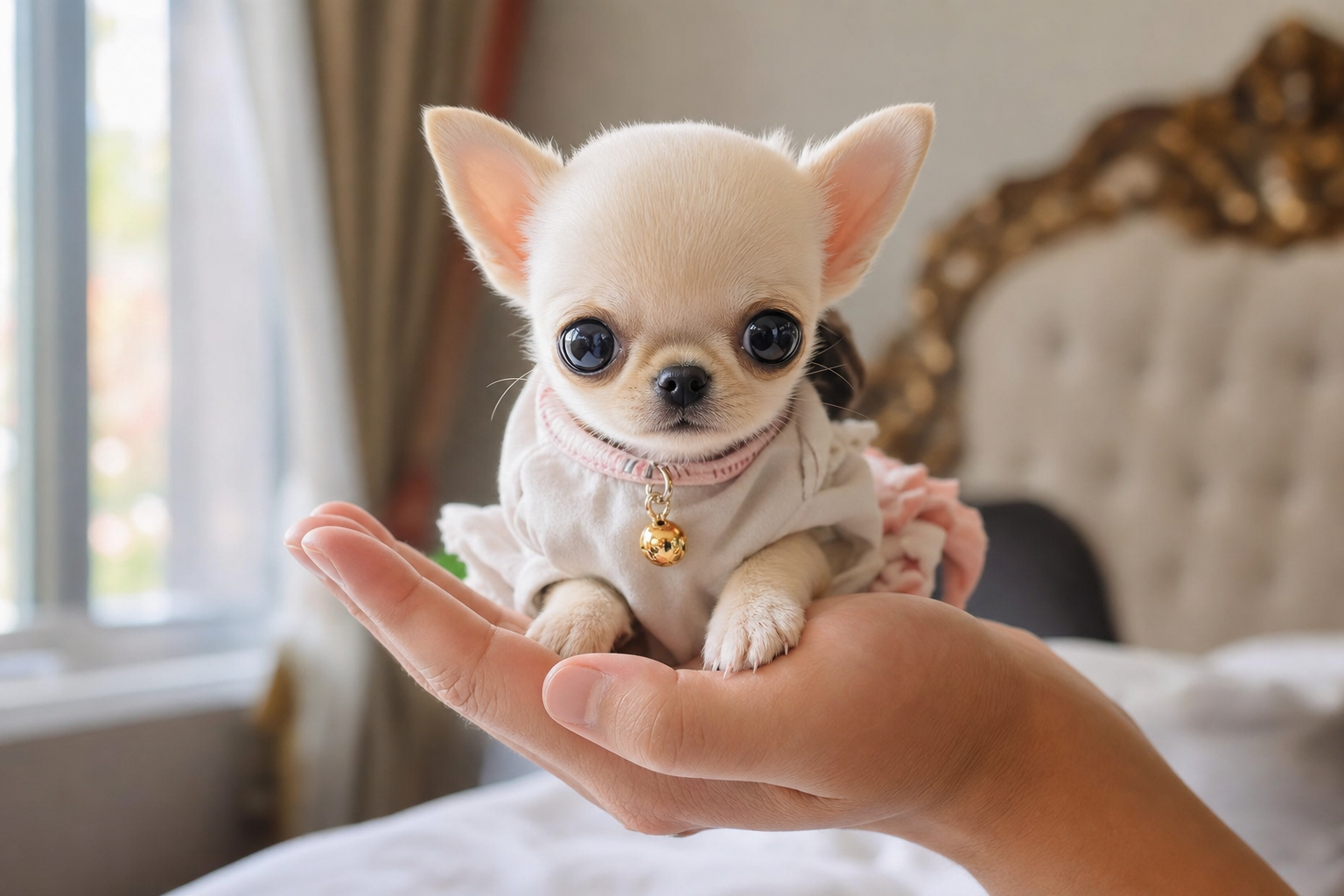
As a boutique Chihuahua breeder since 2019, one of the most common questions I get from city-dwelling clients is about potty training. Raising these tiny Apple Head and Teacup Chihuahuas is my life's passion, and I've guided countless new owners through the process. When you live in a high-rise in a bustling city like Boston, taking a tiny puppy down 20 floors for every potty break just isn't realistic, especially in the middle of the night or a snowstorm. The good news is, it's entirely possible to create a happy, well-adjusted, and perfectly potty-trained Chihuahua in an apartment setting.
Over the years, I've developed a system that works, combining patience, the right tools, and an understanding of how a tiny puppy's body and mind work. It’s a joy to see families in cities find their perfect companion, and I love preparing them for success from day one. Whether you are considering one of our available Chihuahua puppies or just starting your research, this guide will give you the confidence to raise a Chihuahua anywhere. For those specifically looking for Chihuahua puppies in Boston, know that a wonderful life with a tiny dog awaits you in the city.
This isn't just theory; these are the exact steps I use in my own home and share with every family who welcomes a World Class Puppy. Let’s walk through how to make potty training a seamless experience, even from the top floor.
Are Chihuahuas good apartment dogs for Boston families?
Absolutely. In my experience, Chihuahuas are one of the best possible breeds for city life, and they thrive in the unique environment Boston offers. From the historic brownstones of Back Bay to the modern high-rises in the Seaport District, a Chihuahua's needs align perfectly with apartment living. Their small size means they don't require a large yard; a cozy corner of your apartment is their kingdom.
Boston's climate is a major factor. During the beautiful spring and fall months, a stroll through Boston Common or along the Charles River Esplanade is wonderful exercise. But during frigid winters or humid summer days, a Chihuahua is perfectly content with indoor playtime. A game of fetch down the hallway or a puzzle toy can easily meet their exercise needs. This adaptability is a huge advantage over larger, more high-energy breeds that can develop behavioral issues if they can't get outside for long runs daily.
Furthermore, their loyalty and 'big dog in a small body' personality make them excellent watchdogs without being disruptive. They will alert you to someone at the door but aren't prone to the kind of nuisance barking that can cause trouble with neighbors. For the sophisticated, busy lifestyle of a Boston professional or family, a Chihuahua offers immense companionship without demanding a suburban-sized home and yard.
Buyer's Guide: How to Choose a Healthy Teacup Chihuahua Puppy
Bringing home a tiny puppy is a huge commitment, and it's vital to start with a healthy, well-socialized pup from a reputable source. When you're searching for a Teacup Chihuahua, especially an Apple Head, you need to be extra vigilant. The popularity of these tiny dogs has unfortunately led to many unethical sellers. Here is my personal checklist of what to look for and what to ask.
- Pedigree and Registration: A responsible breeder will provide documentation of the puppy's lineage. While we focus on European bloodlines for their health and conformation, any legitimate breeder will be transparent about their dogs' backgrounds.
- Health Testing on Parents: Ask for proof of health clearances for the parent dogs. For Chihuahuas, this should include checks for patellar luxation (knees) and cardiac issues (heart). This shows the breeder is invested in the long-term health of their line.
- Vaccination and Deworming Schedule: Your puppy should come with a detailed health record showing all age-appropriate vaccinations and deworming treatments they have received. A puppy should have at least their first set of shots before going to a new home.
- Age at Pickup: For standard breeds, 8 weeks is common. However, for Teacup and Miniature Chihuahuas, I and other ethical breeders will not let them go to new homes until they are at least 10-12 weeks old. They are more fragile and need that extra time with their mother to develop physically and socially.
- Contract and Health Guarantee: Never buy a puppy without a written contract. It should outline the responsibilities of both you and the breeder and include a health guarantee against congenital defects. In our state, there are specific regulations, and our California puppy buyer law guide can help you understand your rights.
- Breeder Transparency: A good breeder will welcome your questions, let you meet the puppy via video chat, and will want to know about the home you'll provide. If a seller is pushing for a quick sale or avoiding questions, consider it a major red flag. Always review a resource like our Chihuahua puppy scam checklist before sending any deposit.
Breed Comparison: "Teacup" Chihuahua vs. Standard Chihuahua
It's important to understand that "Teacup" is a marketing term, not an official AKC variety. It refers to a Chihuahua who is expected to be smaller than the AKC breed standard maximum of 6 pounds. As a breeder, I produce both, and there are some practical differences new owners in apartments should consider. For a deeper dive, you can read our post on Teacup Chihuahua vs Apple Head Chihuahua: What's the Difference?.
| Feature | "Teacup" Chihuahua (Under 4 lbs) | Standard Chihuahua (4-6 lbs) |
|---|---|---|
| Size & Fragility | Extremely small and delicate. Requires constant supervision to prevent injury from falls or being stepped on. | Still very small, but slightly more robust and less prone to injury. |
| Potty Training | Bladder is minuscule. Requires a very strict, frequent schedule and often relies on indoor potty solutions. | Tiny bladder, but can hold it slightly longer. Easier to transition to outdoor potty breaks. |
| Hypoglycemia Risk | Higher risk of low blood sugar. Requires small, frequent meals and careful monitoring. | Lower risk, but still a concern in puppyhood. More forgiving feeding schedule. |
| Vet Care Needs | Anesthesia is higher risk. Requires an experienced vet for any procedures, like spaying or neutering. | Anesthesia is still a consideration, but it's a more routine procedure for vets. |
| Public Outings | Best carried in a sling or purse in busy areas to ensure safety. May get easily chilled. | Can walk on a leash more safely in controlled environments but should still be watched closely. |
Puppy Care Tips from a Breeder: The High-Rise Edition
This is where my experience really comes into play. Here is my proven method for potty training success in an apartment.
1. Designate an Indoor Potty Spot
Your first decision is where the puppy will go. You have two main options:
- The Balcony Potty: This is my preferred method if you have a safe, enclosed balcony. Use a real grass patch (services deliver these) or an artificial turf system. It helps the puppy associate grass with potty time, which is useful if you ever want to transition them to going outside.
- The Indoor Pee Pad Station: Choose a low-traffic area with a waterproof floor, like a bathroom or laundry area. Use a pee pad holder to prevent the puppy from shredding the pads.
Key Tip: Once you choose a spot, stick with it. Moving it will confuse your puppy and set back your training.
2. Master the Routine (Consistency is Everything!)
Tiny puppies have tiny bladders. You must be proactive. Take your puppy to their designated spot at these key times:
- Immediately after waking up (from a nap or in the morning).
- Within 5-10 minutes after every meal.
- Immediately after a play session.
- Right before bed.
- At least every 1-2 hours otherwise.
When you take them, use a verbal cue like "Go potty." When they succeed, reward them immediately with lavish praise and a high-value treat. This creates a powerful positive association.
3. Prevent Accidents with Crate Training & Supervision
Your puppy should never have unsupervised freedom in the apartment until they are fully trained. When you can't watch them with 100% focus, they should be in their crate or a small, puppy-proofed playpen with their bed, water, and a pee pad. The crate is a den, not a jail, and helps them learn to hold it. A great resource is our Chihuahua Puppy Checklist for New Owners in Houston which covers setting up a safe space.
If an accident happens (and it will!), do not scold the puppy. Clean it up immediately with an enzymatic cleaner (like Nature's Miracle) to completely eliminate the odor. If you use a regular cleaner, the puppy will still smell the spot and be drawn to use it again.
4. Hypoglycemia Prevention is Non-Negotiable
For Teacup puppies, low blood sugar is a serious risk. Ensure your puppy eats small, high-quality meals 3-4 times per day. Always have a high-calorie supplement like Nutri-Cal or Forti-Cal on hand. If your puppy seems lethargic, wobbly, or disoriented, rub a small amount on their gums immediately and call your vet. This is one reason I stress that tiny puppies need to stay with me until they are 10-12 weeks old—they are much more stable by that age.
5. Prioritize Dental Care Early
Chihuahuas are prone to dental issues. From day one, get your puppy used to you touching their mouth and gums. Start brushing their teeth daily with a puppy-safe toothpaste and a small finger brush. This will save you thousands in veterinary dental bills down the road.
Can a Chihuahua puppy be hand-delivered to my city?
Yes, and for families in cities like Boston, it's the safest and most humane way to transport a small puppy. We would never, ever ship a puppy in cargo. The stress and temperature fluctuations are far too dangerous for a tiny Chihuahua. Instead, we use a trusted flight nanny service for clients outside of California.
A dedicated nanny flies with the puppy in the cabin of the plane, ensuring they are comfortable, safe, and cared for throughout the entire journey. We coordinate everything, and the nanny meets you at a convenient location, often right at Boston Logan International Airport (BOS). Before any travel plans are made, we spend ample time with you on video calls so you can see your puppy, ask questions, and get to know their personality. This personal touch is central to what we do at World Class Puppies.
Frequently Asked Questions
Are Chihuahuas good apartment dogs? Yes, Chihuahuas are fantastic apartment dogs due to their tiny size and minimal exercise needs. They adapt well to indoor living, provided they have a designated potty area and receive daily mental stimulation. Their loyalty also makes them excellent companions for city dwellers.
Can a Chihuahua puppy be hand-delivered to my city? Absolutely. As a boutique breeder, we prioritize the safety and comfort of our puppies. We offer hand-delivery services via a flight nanny who accompanies the puppy in the cabin to major airports, including Boston Logan (BOS). We arrange all the details to ensure a stress-free journey for your new family member.
How much does a teacup Chihuahua cost? The cost of a teacup Chihuahua can vary significantly based on bloodline, coat, color, and breeder reputation, typically ranging from $4,000 to over $8,000. For a detailed breakdown, please see our Chihuahua puppy price guide. This investment reflects ethical breeding practices, extensive health testing, and lifelong support.
What's the best way to potty train a Chihuahua in an apartment? For apartment living, a combination of pee pad training and a balcony potty system works best. Consistency is key: take your puppy to their spot immediately after waking up, after meals, and after playtime. Use a consistent verbal cue and reward success with high-value treats and praise.
Ready to welcome your new puppy?
Potty training a Teacup Chihuahua in a high-rise is a journey of patience and consistency, but the reward—a loving, devoted companion perfectly suited to city life—is more than worth it. By following these steps, you can set your puppy up for a lifetime of success.
If you're ready to learn more about our breeding philosophy or see the gorgeous Apple Head and Long Hair Chihuahuas we raise, I invite you to browse our available Chihuahua puppies. Please feel free to reach out to me directly at genasax@icloud.com or through our contact us page with any questions. I look forward to helping you find the tiny best friend of your dreams.
Educational information only. This article is general Chihuahua owner education written by the World Class Puppies breeding program. It is not veterinary advice and has not been reviewed by a veterinarian. Vaccination, spay/neuter timing, diet and treatment decisions depend on the individual dog — please follow the guidance of your own licensed veterinarian.
Frequently asked questions
Are Chihuahuas good apartment dogs?
Yes, Chihuahuas are fantastic apartment dogs due to their tiny size and minimal exercise needs. They adapt well to indoor living, provided they have a designated potty area and receive daily mental stimulation. Their loyalty also makes them excellent companions for city dwellers.
Can a Chihuahua puppy be hand-delivered to my city?
Absolutely. As a boutique breeder, we prioritize the safety and comfort of our puppies. We offer hand-delivery services via a flight nanny who accompanies the puppy in the cabin to major airports, including Boston Logan (BOS). We arrange all the details to ensure a stress-free journey for your new family member.
How much does a teacup Chihuahua cost?
The cost of a teacup Chihuahua can vary significantly based on bloodline, coat, color, and breeder reputation, typically ranging from $4,000 to over $8,000. For a detailed breakdown, please see our [Chihuahua puppy price guide](/chihuahua-puppy-prices). This investment reflects ethical breeding practices, extensive health testing, and lifelong support.
What's the best way to potty train a Chihuahua in an apartment?
For apartment living, a combination of pee pad training and a balcony potty system works best. Consistency is key: take your puppy to their spot immediately after waking up, after meals, and after playtime. Use a consistent verbal cue and reward success with high-value treats and praise.
Ready to meet your new puppy?
See currently available teacup puppies or reach out to join our waitlist.