Miniature Chihuahua
Patellar Luxation in Chihuahuas: A Breeder's Guide
By Yulia Sky · July 19, 2026
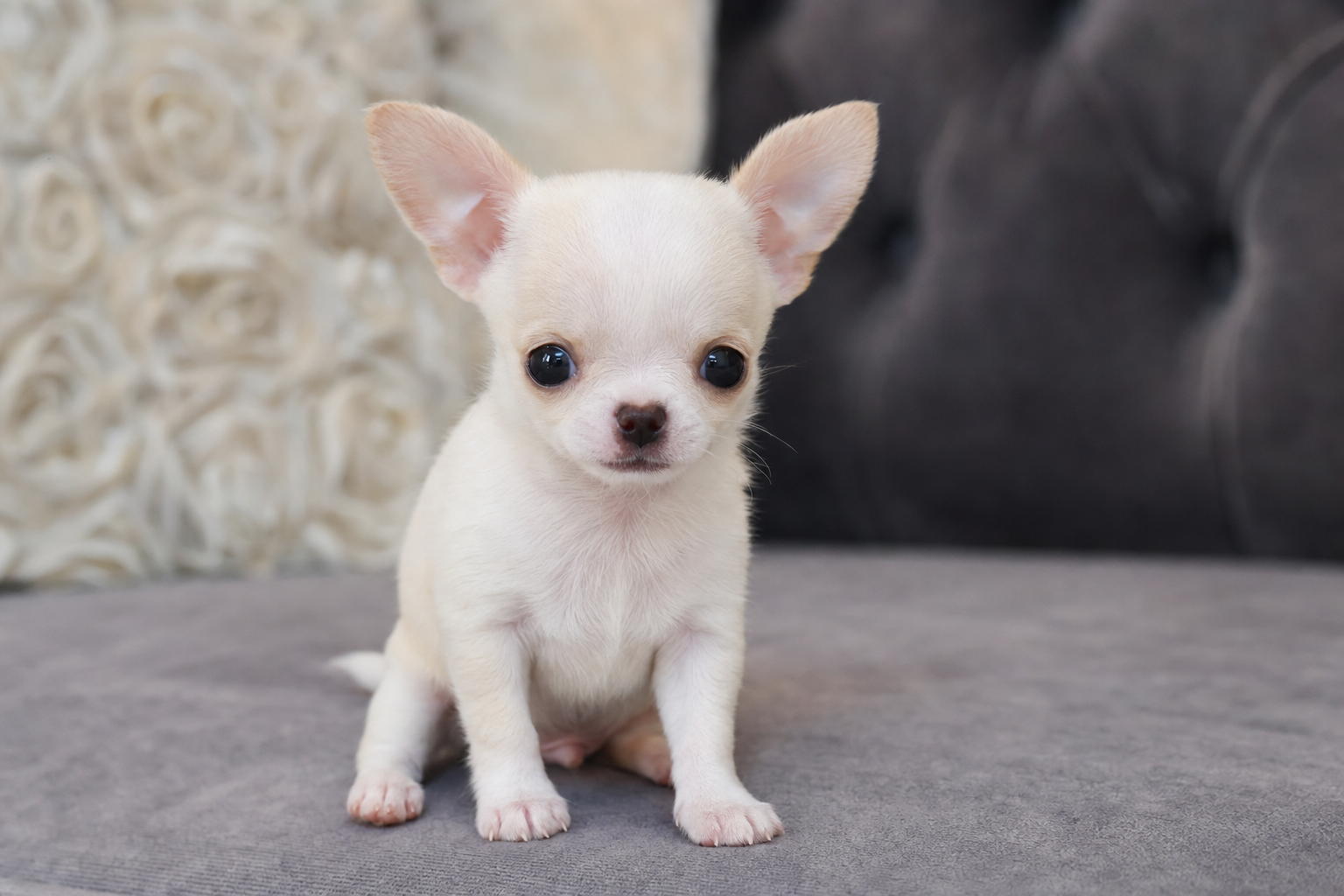
As an in-home Chihuahua breeder since 2019, one of the most common health questions I receive from prospective families is about patellar luxation. It sounds intimidating, but it's a manageable condition that responsible breeding practices can help mitigate. Here at World Class Puppies, we focus on raising healthy, well-socialized Apple Head, Teacup, and Long Hair Chihuahuas, and being transparent about health is a cornerstone of our philosophy. My goal is to empower you with the knowledge to understand this condition, whether you're welcoming a puppy into your home in Denver, Colorado, or right here in California.
Understanding a breed's potential health concerns is the first step to being a prepared and loving owner. Patellar luxation, or a 'slipping kneecap,' is particularly prevalent in toy breeds. This guide is born from years of hands-on experience, veterinary consultations, and a deep commitment to the betterment of the Chihuahua breed. I want to give you the confidence to ask the right questions and choose a puppy that will be a healthy, happy companion for years to come.
Why Miniature Chihuahua Puppies Are a Great Fit for Denver Families
Denver's unique lifestyle—a blend of urban sophistication and rugged outdoor adventure—calls for a companion that can adapt. While a Miniature Chihuahua might not be climbing a Fourteener with you, they are the perfect companions for city life. Their small size makes them ideal for apartment and condo living in vibrant neighborhoods like LoHi, Capitol Hill, or RiNo. They don't require a large yard and are perfectly content with daily walks around Washington Park or along the Cherry Creek Trail, especially when the weather is nice.
The climate in Denver is another factor. Chihuahuas are sensitive to the cold, and Denver's snowy winters mean your little one will need a stylish wardrobe of sweaters and coats. This is part of the fun of owning a tiny dog! They are wonderful 'cuddle-up-by-the-fire' companions after a day out in the crisp mountain air. Because they are so portable, they can join you at many of Denver's dog-friendly brewery patios or cafes. For the Denver resident who wants a loving, loyal, and low-maintenance exercise partner for city strolls, the Miniature Chihuahua is a perfect match.
Buyer's Guide: How to Choose a Healthy Chihuahua Puppy
When you're concerned about a specific health issue like patellar luxation, the breeder you choose is your most important asset. A reputable breeder is your partner in ensuring your puppy's long-term health. Here’s a checklist of what to look for and what to ask.
- Parental Health Testing: This is non-negotiable. Ask to see health certifications for the puppy's parents. For patellar luxation, this would ideally be an OFA (Orthopedic Foundation for Animals) certificate showing their knees have been graded by a veterinarian. Responsible breeders invest in the health of their breeding dogs before a litter is even planned.
- Veterinarian Records: A puppy should come with a record of a thorough wellness check from a licensed veterinarian. This exam often includes a basic check of the patellas. Ask if the vet noted any laxity in the puppy's knees.
- Vaccination & Deworming Schedule: Your puppy should be up-to-date on age-appropriate vaccinations and deworming. The breeder should provide a detailed record for you to give to your own vet. You can learn more about what to expect from our breeder's vaccination schedule guide.
- Age at Pickup: No Chihuahua puppy, especially a Teacup or Miniature, should go to a new home before 10-12 weeks of age. This extra time with their mother and littermates is crucial for both social development and physical well-being.
- Contract & Health Guarantee: A professional breeder will always have a written contract that outlines the responsibilities of both the buyer and the seller. Our Health Guarantee specifically details our commitment to the genetic health of our puppies, giving you peace of mind.
Breed Comparison: Long Hair Chihuahua vs. Short Hair Chihuahua
While patellar luxation can affect any Chihuahua, many prospective owners also have questions about coat type. Here's a quick comparison to help you decide which is right for you.
| Feature | Long Hair Chihuahua | Short Hair (Smooth Coat) Chihuahua |
|---|---|---|
| Grooming | Requires brushing 2-3 times a week to prevent matting, especially behind the ears and on the 'pants.' Shedding can be less noticeable as hairs are trapped in the coat. | 'Wash and wear' coat. Requires minimal brushing, but they do shed fine hairs that can weave into fabric. |
| Temperament | Some fanciers believe they have a softer, milder temperament, but this is anecdotal. Personality is an individual trait. | Often described as having the classic 'spunky' and 'sassy' Chihuahua personality. Again, this varies widely. |
| Climate | The long coat offers slightly more protection from cold and sun, but they still require a coat in very cold weather. | More sensitive to cold and will definitely need sweaters and coats in a climate like Denver's. |
| Allergies | Contrary to belief, they are not hypoallergenic. The dander is the allergen, not the hair length. | Also not hypoallergenic. Shedding might be more obvious as short hairs fall out more freely. |
Puppy Care Tips from a Breeder
Bringing home a Miniature Chihuahua means being prepared for their specific needs, especially concerning their joints and overall health.
- Preventing Joint Stress: To protect their knees, prevent your puppy from jumping on and off high furniture like beds or sofas. Invest in pet stairs or ramps and teach them to use them from day one.
- Maintaining a Healthy Weight: Obesity is a major risk factor for worsening patellar luxation. Follow feeding guidelines carefully and do not over-treat. A lean Chihuahua is a healthier Chihuahua. For more on this, check out our guide on the best food for a Teacup Chihuahua.
- Hypoglycemia Prevention: Tiny puppies have tiny energy reserves. It's critical to ensure they eat small, frequent meals to prevent dangerous drops in blood sugar (hypoglycemia). You can read my in-depth guide to preventing hypoglycemia in Teacup Chihuahuas.
- Veterinary Timeline: Establish a relationship with a trusted vet immediately. Bring all the records from your breeder to the first visit. This is also a good time to discuss a long-term wellness plan and a timeline for a spay or neuter, which can be influenced by joint development. Our article on spaying and neutering timing can provide more context.
- Dental Care: Chihuahuas are prone to dental issues. Start a dental care routine early, including regular brushing with a dog-safe toothpaste.
Travel and Delivery to Denver
For our clients in Denver and other out-of-state locations, we want to assure you that your puppy's safety and comfort are our top priorities. We do not ship puppies via cargo. Instead, we offer a personalized hand-delivery service where a dedicated flight nanny accompanies your puppy in the cabin of the plane from California to Denver International Airport (DIA).
This service ensures your puppy is supervised, comforted, and cared for throughout the entire journey. Before any travel is arranged, we get to know you through phone calls and video chats. It's important for us that you can see your puppy, ask questions, and feel completely comfortable with the process. This boutique approach is part of our commitment to our puppies and the families they join. You can learn more by visiting our contact page.
Frequently Asked Questions
What is patellar luxation in Chihuahuas?
Patellar luxation is a common condition where the kneecap (patella) dislocates or moves out of its normal location. In Chihuahuas, it's often a congenital issue passed down genetically. Responsible breeders screen for this and can provide information on the parents' orthopedic health.
Can patellar luxation be prevented in a Chihuahua?
While the genetic predisposition can't be changed, you can manage the condition and prevent frequent dislocations. This includes maintaining a healthy, lean weight to reduce stress on the joints, avoiding high-impact activities like jumping off furniture, and using pet stairs to help them navigate your home safely.
How can I tell if a Chihuahua puppy will have knee problems?
You can't know for certain, but you can significantly reduce the risk. Always choose a breeder who performs health testing on their parent dogs, including certification for patellas (like an OFA certification). Ask to see these records and discuss the lineage's joint health history. A good breeder will be transparent about this.
Are Chihuahuas good apartment dogs?
Yes, Chihuahuas are fantastic apartment dogs due to their tiny size and minimal exercise needs. A short daily walk and indoor playtime are often sufficient. Their adaptability makes them perfect companions for city living, from Denver's Cap Hill to downtown LA.
Ready to Welcome Your New Puppy?
Choosing a puppy is a decision made with the heart, but it's one that should be guided by knowledge and preparation. Understanding conditions like patellar luxation helps you become the best possible advocate for your dog's health. At World Class Puppies, our commitment to you begins long before you take your puppy home and extends for a lifetime.
If you're ready to learn more about our breeding philosophy or meet our current little ones, I invite you to browse our available puppies. Please feel free to reach out to me directly with any questions via our contact page or by email at genasax@icloud.com. We look forward to helping you find your new best friend.
Educational information only. This article is general Chihuahua owner education written by the World Class Puppies breeding program. It is not veterinary advice and has not been reviewed by a veterinarian. Vaccination, spay/neuter timing, diet and treatment decisions depend on the individual dog — please follow the guidance of your own licensed veterinarian.
Frequently asked questions
What is patellar luxation in Chihuahuas?
Patellar luxation is a common condition where the kneecap (patella) dislocates or moves out of its normal location. In Chihuahuas, it's often a congenital issue. Responsible breeders screen for this and can provide information on the parents' orthopedic health.
Can patellar luxation be prevented in a Chihuahua?
While the genetic predisposition can't be changed, you can manage the condition and prevent frequent dislocations. This includes maintaining a healthy, lean weight to reduce stress on the joints, avoiding high-impact activities like jumping off furniture, and using pet stairs.
How can I tell if a Chihuahua puppy will have knee problems?
You can't know for certain, but you can significantly reduce the risk. Always choose a breeder who performs health testing on their parent dogs, including certification for patellas (like an OFA certification). Ask to see these records and discuss the lineage's joint health history.
Are Chihuahuas good apartment dogs?
Yes, Chihuahuas are fantastic apartment dogs due to their tiny size and minimal exercise needs. A short daily walk and indoor playtime are often sufficient. Their adaptability makes them perfect companions for city living, from Denver's Cap Hill to downtown LA.
Ready to meet your new puppy?
See currently available teacup puppies or reach out to join our waitlist.