San Diego, California · Long Hair Chihuahua
Crate Training a Chihuahua Puppy: A San Diego Breeder's Guide
By Yulia Sky · August 24, 2026
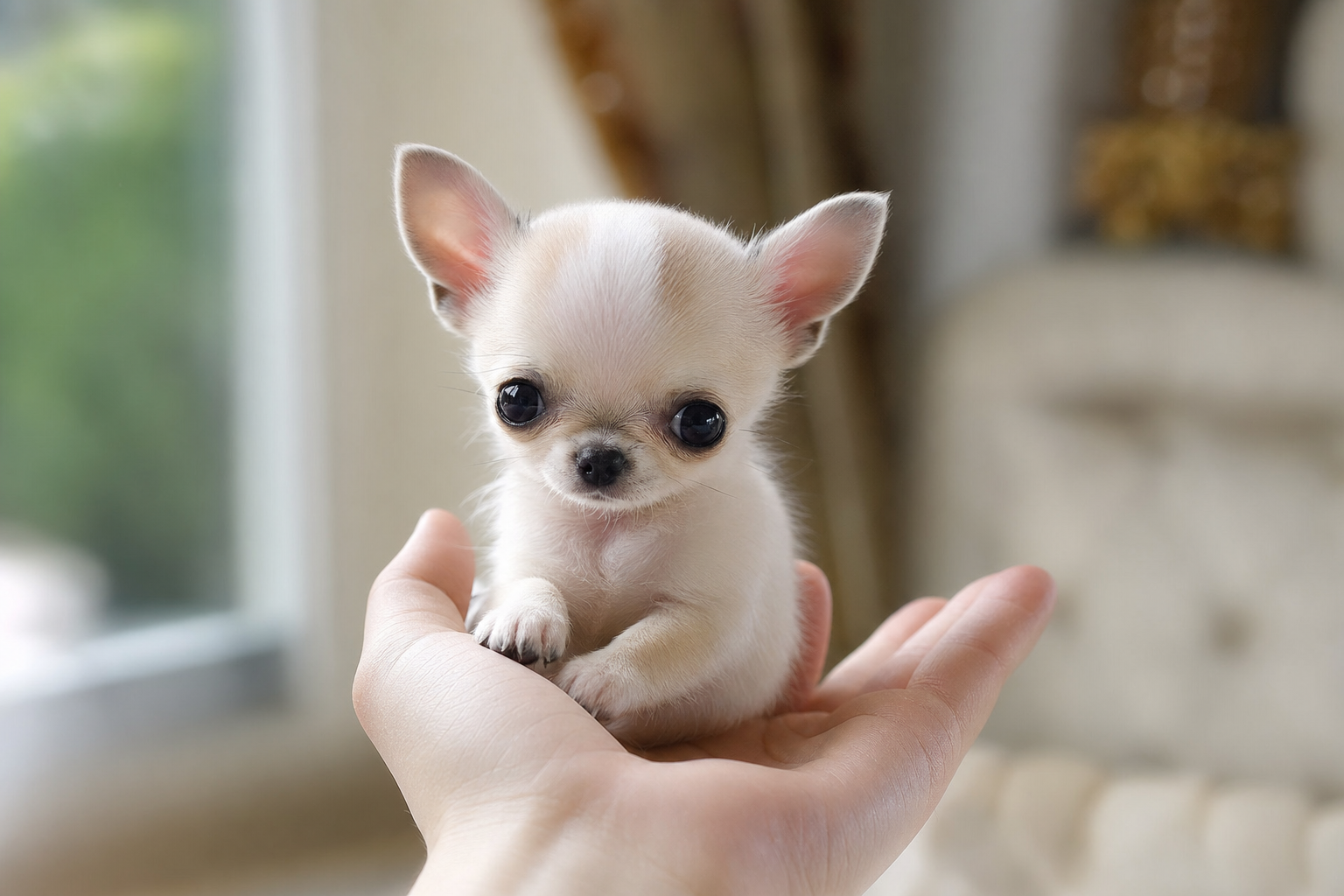
As a boutique Chihuahua breeder in California since 2019, one of the most common questions I get from new puppy families is about crate training. It’s a foundational part of raising a well-behaved, secure, and happy companion. I’m Yulia Sky, and at World Class Puppies, I’ve guided countless new owners through this process, especially those with our tiny Apple Head and Long Hair Chihuahuas from European bloodlines.
For families in Southern California, particularly those looking for Chihuahua puppies in San Diego, understanding how to properly introduce a crate is a game-changer. It’s not about confinement; it’s about creating a personal sanctuary for your new little one. Let’s walk through the steps to make your puppy’s crate their favorite spot in the house. If you're just starting your journey, you can see our available Chihuahua puppies and imagine bringing one of these sweet faces home.
Why a Crate is Essential for San Diego Chihuahua Owners
San Diego's vibrant lifestyle, from apartment living in the Gaslamp Quarter to family homes in La Jolla, makes a crate an indispensable tool. A well-trained Chihuahua can safely enjoy a quiet space amidst the comings and goings of a busy household. For those in high-rise apartments, a crate is a management lifesaver during potty training, preventing accidents on carpets and floors.
The beautiful San Diego climate means plenty of opportunities for outings to dog-friendly spots like Balboa Park or Fiesta Island. A puppy comfortable in their crate will travel calmly and safely in the car, making these adventures stress-free for everyone. The crate also provides a secure haven during fireworks over the bay on the Fourth of July or when you have guests over, preventing your tiny companion from getting underfoot or overwhelmed. It's their personal, portable safe space that adapts to your dynamic San Diego life.
Choosing the Right Crate for Your Chihuahua Puppy
Selecting the right crate is the first step to success. It’s not just about aesthetics; it's about safety and comfort. While our guide on how to choose a Chihuahua puppy covers picking the right companion, this checklist focuses on their first little home.
- Size is Everything: The crate should be just big enough for your Chihuahua to stand, turn around, and lie down. A common mistake is buying a crate that’s too large, which can encourage the puppy to use one corner as a bathroom. For a Chihuahua puppy, a crate around 18-22 inches long is often ideal. For more on sizing, our teacup Chihuahua size guide can provide helpful context.
- Material Matters: Plastic travel-style crates are great as they feel more 'den-like' and are excellent for car travel. Wire crates offer better ventilation and can come with a divider to adjust the space as your puppy grows.
- Safety First: Ensure there are no sharp edges or wide gaps where a tiny paw or collar could get stuck. The latch should be secure but easy for you to operate.
- Comfort is Key: Make the crate inviting with soft, washable bedding. For a Long Hair Chihuahua, choose a blanket that won't snag or mat their beautiful coat.
Long Hair vs. Short Hair Chihuahua: Crate Training Differences
While all Chihuahuas benefit from crate training, there are subtle differences to consider between the coat varieties. Both types have the same intelligence and core temperament, but their coat requires slightly different considerations for their personal space.
| Feature | Long Hair Chihuahua | Short Hair (Smooth Coat) Chihuahua |
|---|---|---|
| Bedding Choice | Opt for smooth, fleece-like blankets that won't pull or mat their long, silky fur. Cedar chips should be avoided. | Can use a wider variety of bedding textures. They may get colder faster, so a plusher, warmer bed is appreciated. |
| Grooming | Ensure they are completely dry before crating to prevent skin issues and matting. | Dries very quickly. Less concern about damp fur in the crate. |
| Temperature | Their coat offers more insulation, but they still need a warm, draft-free spot. | More sensitive to cold. Ensure the crate is in a warm area of the house, away from vents or drafty windows. |
| Comfort | A comfortable crate helps them settle, just like any Chihuahua. | A comfortable crate helps them settle, just like any Chihuahua. |
Crate Training Tips from a Breeder
My approach is all about positive reinforcement. The goal is for your puppy to love their crate. For a detailed overview of the first few days, you can also read my guide on how to bring home a Chihuahua puppy.
- Make it a Happy Place: Place the crate in a central area of your home, like the living room. Leave the door open and toss high-value treats or a favorite toy inside. Let the puppy explore it on their own terms. Never force them inside.
- Feed Meals in the Crate: Start feeding your puppy all their meals inside the crate with the door open. This creates a powerful positive association. As they get comfortable, you can start closing the door for a few minutes while they eat.
- Start with Short Sessions: Begin by closing the door for just 30 seconds, staying in the room. If they are quiet, praise them and let them out. Gradually increase the duration. This teaches them that you always come back.
- Introduce a Cue Word: Use a consistent phrase like "Crate up" or "Go to your bed" every time you guide them into the crate. They will learn to go in on command.
- Nighttime Routine: For the first few weeks, place the crate in your bedroom next to your bed. This helps the puppy feel secure and allows you to hear if they need a potty break. A sleepy puppy is more likely to settle, so a final potty trip and a bit of playtime before bed are crucial.
Dealing with a puppy from an unknown background can make training harder. This is why working with a reputable breeder who provides transparency is so important. Using a Chihuahua puppy scam checklist can help you avoid disreputable sellers. As a breeder, I ensure all my puppies are well-socialized, which gives them the confidence needed to adapt to new training.
Travel and Delivery to San Diego
One of the biggest benefits of early crate training is for travel. When we arrange for the hand-delivery of one of our puppies to their new family in San Diego, their comfort and safety is our top priority. We always use in-cabin flight nannies, never cargo.
A puppy who has already started positive crate association at our home will experience far less stress during their journey. They see their carrier not as a scary box, but as their familiar, safe den. This foundation makes their first car ride home with you and all future travel a calm and positive experience.
Frequently Asked Questions
What size crate is best for a Chihuahua puppy? A crate should be just large enough for your Chihuahua to stand up, turn around, and lie down comfortably. For a puppy, a small cat carrier or a crate around 18-22 inches long is usually perfect. Using a crate that's too large can encourage them to use one end as a potty area.
How long can a Chihuahua puppy stay in a crate? A general rule is one hour per month of age, plus one. So a two-month-old puppy can handle about three hours. Never leave a young puppy crated for more than 3-4 hours at a time during the day, as their bladders are very small.
Should I put food and water in my Chihuahua's crate? It's best not to leave water in the crate, as it can lead to accidents and a full bladder. However, feeding meals in the crate is a fantastic way to build a positive association. You can also provide a safe chew toy to keep them occupied.
My Chihuahua puppy cries in the crate, what should I do? First, ensure all their needs (potty, food, water, exercise) are met. Ignore mild whining, but if they are truly distressed, let them out calmly without a fuss. The key is to start with very short sessions (seconds, then minutes) and reward them for being quiet, gradually increasing the time.
Is crate training cruel for a small dog like a Chihuahua? When done correctly, crate training is not cruel; it provides a safe, den-like space for your Chihuahua. It's a vital tool for house-training, preventing destructive behavior, and ensuring their safety when you can't supervise them. The crate should always be a positive place, never used for punishment.
Ready to Welcome Your New Puppy?
Crate training is a journey of patience and love that pays off for years to come. It builds a foundation of security and good manners for your tiny companion. If you are ready to start this journey and welcome a healthy, beautiful Chihuahua into your life, I invite you to see our currently available Chihuahua puppies.
Our commitment to our puppies and their new families is total. You can see examples by reading about the experiences from our puppy families. For any questions about our process, our puppies, or how to reserve your new best friend, please don't hesitate to contact us or email me directly at genasax@icloud.com. We look forward to helping you find the perfect Chihuahua for your family.
Frequently asked questions
What size crate is best for a Chihuahua puppy?
A crate should be just large enough for your Chihuahua to stand up, turn around, and lie down comfortably. For a puppy, a small cat carrier or a crate around 18-22 inches long is usually perfect. Using a crate that's too large can encourage them to use one end as a potty area.
How long can a Chihuahua puppy stay in a crate?
A general rule is one hour per month of age, plus one. So a two-month-old puppy can handle about three hours. Never leave a young puppy crated for more than 3-4 hours at a time during the day, as their bladders are very small.
Should I put food and water in my Chihuahua's crate?
It's best not to leave water in the crate, as it can lead to accidents and a full bladder. However, feeding meals in the crate is a fantastic way to build a positive association. You can also provide a safe chew toy to keep them occupied.
My Chihuahua puppy cries in the crate, what should I do?
First, ensure all their needs (potty, food, water, exercise) are met. Ignore mild whining, but if they are truly distressed, let them out calmly without a fuss. The key is to start with very short sessions (seconds, then minutes) and reward them for being quiet, gradually increasing the time.
Is crate training cruel for a small dog like a Chihuahua?
When done correctly, crate training is not cruel; it provides a safe, den-like space for your Chihuahua. It's a vital tool for house-training, preventing destructive behavior, and ensuring their safety when you can't supervise them. The crate should always be a positive place, never used for punishment.
Ready to meet your new puppy?
See currently available teacup puppies or reach out to join our waitlist.