Miniature Chihuahua
Chihuahua Dental Care: A Breeder's Complete Guide
By Yulia Sky · October 3, 2026
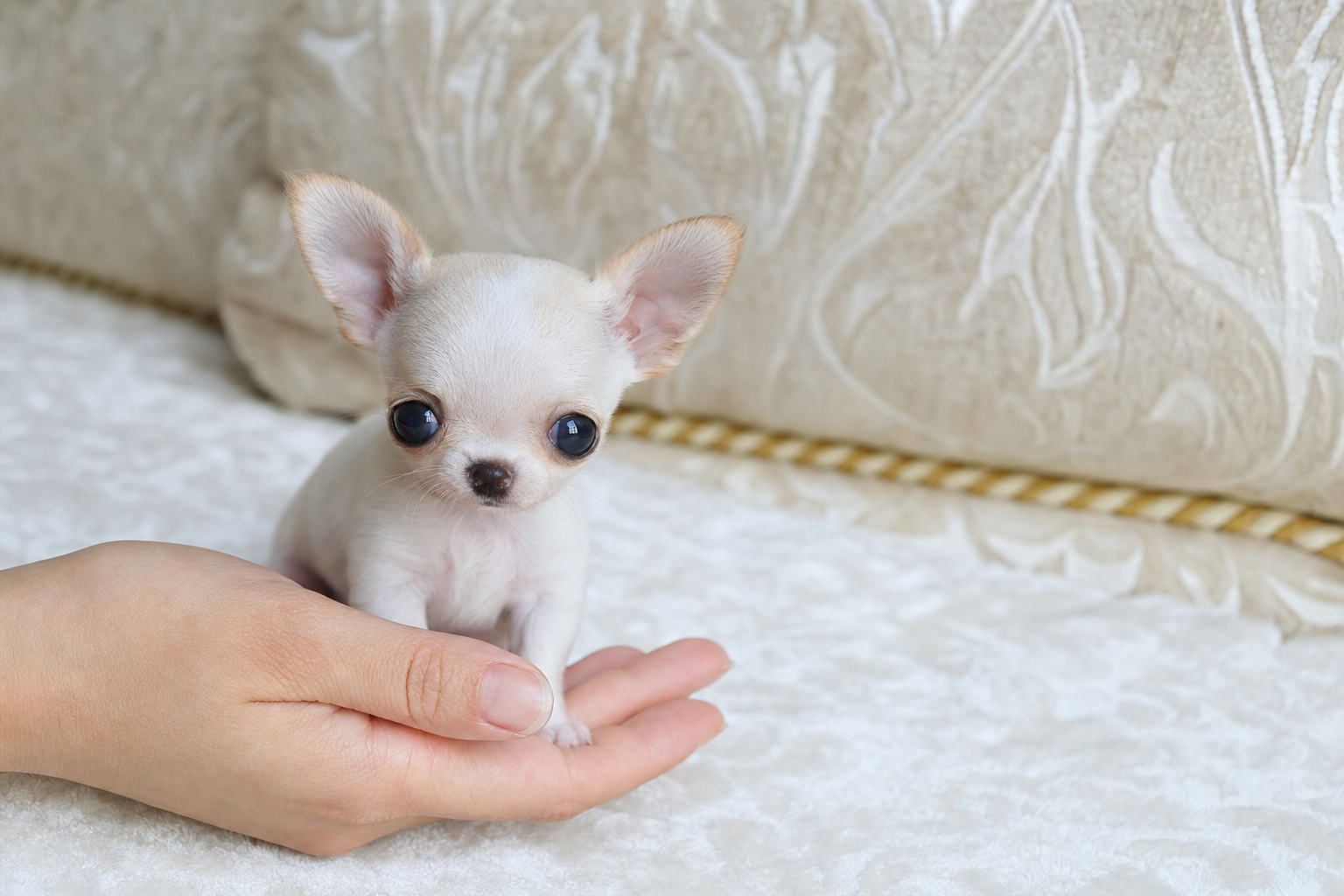
As a boutique Chihuahua breeder, one of the first things I notice about a healthy, happy puppy is their bright, clean smile. But keeping that smile healthy for life requires more than just good luck—it requires a dedicated dental care routine. Over my years raising beautiful Apple Head, Long Hair, and Miniature Chihuahuas, I've learned that their dental health is directly linked to their overall well-being. It’s one of the most common topics I discuss with new puppy families.
This guide is my comprehensive overview of everything you need to know about Chihuahua dental care, from the moment you bring your puppy home. Whether you're a first-time owner or a long-time Chihuahua lover, establishing these habits early will prevent pain, save you money on extensive veterinary procedures down the road, and ensure your tiny companion lives a long, comfortable life. We take immense pride in the health of our puppies, and that starts with a solid foundation you can build upon. You can see the vibrant, healthy puppies we have now by visiting our available Chihuahua puppies page.
Why Dental Health is Crucial for Chihuahuas
Chihuahuas are, unfortunately, poster children for dental problems. Their small mouths and unique head shape—especially the pronounced dome of an Apple Head Chihuahua—often lead to tooth overcrowding. They have the same number of teeth as a large dog (42 adult teeth!) packed into a tiny jaw. This crowding creates the perfect environment for food particles and bacteria to become trapped, leading to a rapid buildup of plaque and tartar.
If left unchecked, this leads to periodontal disease, a painful infection of the gums and supporting structures of the teeth. This isn't just a cosmetic issue of bad breath; it can lead to tooth loss, jaw bone infections, and bacteria entering the bloodstream, potentially affecting vital organs like the heart and kidneys. For families in a vibrant, social city like Miami, you want your companion to be healthy enough to enjoy life with you, whether that's a walk along the beach or visiting a dog-friendly cafe. A Chihuahua in dental pain is a sad sight and can't be the happy, outgoing friend you deserve.
Buyer's Guide: Choosing a Puppy with a Healthy Start
Proper dental health begins before you even bring your puppy home. When selecting a breeder, you are also selecting for the genetic and foundational health of your new family member. Here’s what to look for from a dental health perspective:
- Ask About the Parents: A responsible breeder will be open about the health of their parent dogs. Ask about their dental history. Do they require frequent cleanings? Have they had extractions? This gives you a potential glimpse into your puppy's genetic predisposition.
- Check the Bite: When you meet the puppy, ask the breeder to show you their mouth. The puppy's bite should ideally be a 'scissor bite,' where the top incisors just overlap the bottom ones. While an imperfect bite isn't always a health crisis, it can exacerbate food-trapping issues.
- Insist on Veterinary Records: Your puppy should have at least one wellness check from a veterinarian before coming home. This shows the breeder is proactive about health. At this stage, you're looking for overall wellness as a precursor to good long-term health.
- Verify the Breeder's Credibility: A breeder who focuses on health will have a transparent process. Be wary of those who rush you or avoid questions. Use our
[Chihuahua puppy scam checklist](/chihuahua-puppy-scam-checklist)to learn how to spot red flags. - Review the Contract and Guarantee: A written contract protects both you and the puppy. Our
[health guarantee](/health-guarantee)covers congenital and hereditary conditions, demonstrating our confidence in our breeding program. In our home state, we also adhere to all regulations outlined in the[California puppy buyer law guide](/california-puppy-buyer-protection-law).
Dental Considerations: Miniature vs. Standard Chihuahuas
It's important to clarify that terms like "Teacup" or "Miniature" Chihuahua are descriptive terms for size, not separate breeds recognized by the AKC. They are simply smaller-than-average Chihuahuas. However, this smaller size has direct implications for dental health.
The smaller the Chihuahua, the more pronounced the issue of tooth overcrowding can be. Their teeth are often disproportionately large for their tiny jaw, making them even more susceptible to plaque buildup and periodontal disease.
| Feature | Standard Chihuahua (4-6 lbs) | Miniature/Teacup Chihuahua (<4 lbs) |
|---|---|---|
| Tooth Crowding | Common, especially in Apple Heads. | Very common to severe. |
| Retained Puppy Teeth | Can occur; needs monitoring. | More frequent; often requires veterinary intervention. |
| Fracture Risk | Moderate; avoid very hard chews. | Higher; teeth are delicate and can fracture easily. |
| Care Diligence | Daily brushing is essential. | Daily brushing is non-negotiable for good health. |
For a 'miniature' Chihuahua, your commitment to at-home dental care is one of the most important factors in their long-term health.
A Breeder's Guide to At-Home Chihuahua Dental Care
This is where you, as the owner, have the most power to ensure a healthy life for your dog. What you do at home every day is far more impactful than a yearly vet visit.
Getting Started: Brushing Your Chihuahua's Teeth
This is the single most effective thing you can do. The goal is to make it a pleasant, daily routine.
- Start Early: Begin by gently handling your puppy's mouth and lips from day one.
- Use the Right Tools: Get a silicone finger brush or a very small, soft-bristled puppy toothbrush. Never use human toothpaste—it contains ingredients that are toxic to dogs. Purchase a poultry or beef-flavored enzymatic toothpaste for dogs.
- Make it Tasty: Let your puppy lick the toothpaste off your finger, then off the brush, as a treat.
- Go Slow: Start by brushing just a few teeth for a few seconds. Gradually increase the duration as they become more comfortable. Focus on the outside surfaces, where tartar builds up most.
- Be Consistent: A quick, 30-second brush every single day is more effective than a 5-minute battle once a week.
The Right Diet for Dental Health
While not a substitute for brushing, feeding a high-quality dry kibble can help. The crunchy texture provides a mild abrasive action that helps scrape some plaque off the teeth as they chew. Some veterinary dental diets are specifically designed for this purpose. You can also ask your vet about water additives that can help reduce plaque-causing bacteria.
Safe and Effective Dental Chews
Chewing is a natural behavior that helps clean teeth. However, with Chihuahuas, you must choose wisely to avoid broken teeth.
- GOOD: VOHC-approved dental chews, soft rubber chew toys (like Kongs sized for toy breeds), pliable nylon chews.
- AVOID: Hard-cooked bones, antlers, hooves, and hard plastic or nylon toys. These are notorious for causing painful tooth fractures in small dogs.
Recognizing Signs of Trouble
Be vigilant and check your Chihuahua's mouth weekly. Contact your vet if you see:
- Persistent, foul-smelling bad breath (halitosis)
- Red, bleeding, or swollen gums
- Thick, yellow-brown crust (tartar) along the gumline
- Loose or missing teeth
- Pawing at the mouth or apparent facial pain
- Difficulty or reluctance to eat
The Role of Professional Veterinary Cleanings
Even with the best at-home care, most Chihuahuas will need professional dental cleanings throughout their lives. These procedures are performed under anesthesia, which allows the veterinarian to safely and thoroughly clean above and below the gumline, take dental X-rays to assess the health of the tooth roots, and extract any teeth that are beyond saving. Discussing the potential long-term costs of care, as outlined in our [Chihuahua puppy price guide](/chihuahua-puppy-prices), can help you budget for important procedures like this.
Do not be tempted by 'anesthesia-free' cleanings. These are purely cosmetic, as they cannot address disease below the gumline, which is where the real problems lie. Create a proactive dental plan with your veterinarian based on your dog's specific needs.
Travel and Delivery to Miami
As a California-based breeder, we have extensive experience in ensuring our puppies arrive safely to their new homes across the country, including beautiful cities like Miami, Florida. We exclusively offer hand-delivery via a flight nanny who keeps the puppy in the cabin with them at all times. This white-glove service minimizes stress and ensures your tiny new family member arrives happy, healthy, and ready to be loved. We use video calls to introduce you to your puppy and our home, so you can be confident long before your puppy begins their journey.
Frequently Asked Questions
At what age should I start brushing my Chihuahua puppy's teeth? You can start handling your puppy's mouth and gently rubbing their gums and teeth with your finger as soon as you bring them home. I recommend introducing a soft toothbrush and dog-specific toothpaste around 10-12 weeks of age to build a positive, lifelong habit.
What are the best dental chews for Chihuahuas? Look for soft, pliable dental chews that are appropriately sized for a tiny mouth. Chews approved by the Veterinary Oral Health Council (VOHC) are a great choice. Avoid anything too hard, like antlers or bones, as they can fracture a Chihuahua's delicate teeth.
How often do Chihuahuas need professional dental cleanings? This varies greatly depending on genetics, diet, and at-home care. Many veterinarians suggest a first professional cleaning around age two or three, with subsequent cleanings every 1-2 years. You should create a specific plan with your own trusted veterinarian.
Is it normal for my Chihuahua puppy to have bad breath? Puppies may have a mild 'puppy breath,' but a strong, foul odor is not normal and can be an early sign of teething issues or bacteria. Persistent bad breath in an adult Chihuahua is often a sign of underlying dental disease and warrants a vet visit.
What are the signs of dental disease in a Chihuahua? Common signs include persistent bad breath, red or swollen gums, yellow-brown tartar buildup on teeth, reluctance to eat hard food, and pawing at the mouth. If you notice any of these, it's time to schedule a check-up with your veterinarian.
Ready to Welcome Your New Puppy?
A commitment to a Chihuahua is a commitment to their health, and dental care is a huge part of that. We pour our hearts into raising puppies with the best possible start in life, from socialization to their very first health checks. We are always here as a resource for our puppy families, sharing the knowledge we've gained over the years.
You can read about the experiences of families who have welcomed one of our puppies on our [past clients](/past-clients) page. If you are ready to take the next step and add a loving Chihuahua to your life, please [contact us](/contact) by sending an email to genasax@icloud.com. We look forward to hearing from you!
Frequently asked questions
At what age should I start brushing my Chihuahua puppy's teeth?
You can start handling your puppy's mouth and gently rubbing their gums and teeth with your finger as soon as you bring them home. I recommend introducing a soft toothbrush and dog-specific toothpaste around 10-12 weeks of age to build a positive, lifelong habit.
What are the best dental chews for Chihuahuas?
Look for soft, pliable dental chews that are appropriately sized for a tiny mouth. Chews approved by the Veterinary Oral Health Council (VOHC) are a great choice. Avoid anything too hard, like antlers or bones, as they can fracture a Chihuahua's delicate teeth.
How often do Chihuahuas need professional dental cleanings?
This varies greatly depending on genetics, diet, and at-home care. Many veterinarians suggest a first professional cleaning around age two or three, with subsequent cleanings every 1-2 years. You should create a specific plan with your own trusted veterinarian.
Is it normal for my Chihuahua puppy to have bad breath?
Puppies may have a mild 'puppy breath,' but a strong, foul odor is not normal and can be an early sign of teething issues or bacteria. Persistent bad breath in an adult Chihuahua is often a sign of underlying dental disease and warrants a vet visit.
What are the signs of dental disease in a Chihuahua?
Common signs include persistent bad breath, red or swollen gums, yellow-brown tartar buildup on teeth, reluctance to eat hard food, and pawing at the mouth. If you notice any of these, it's time to schedule a check-up with your veterinarian.
Ready to meet your new puppy?
See currently available teacup puppies or reach out to join our waitlist.