July 2026 Wellness Report: Vets Stress Proactive Care for Chihuahuas
Sunday, July 5, 2026 · World Class Puppies Newsroom
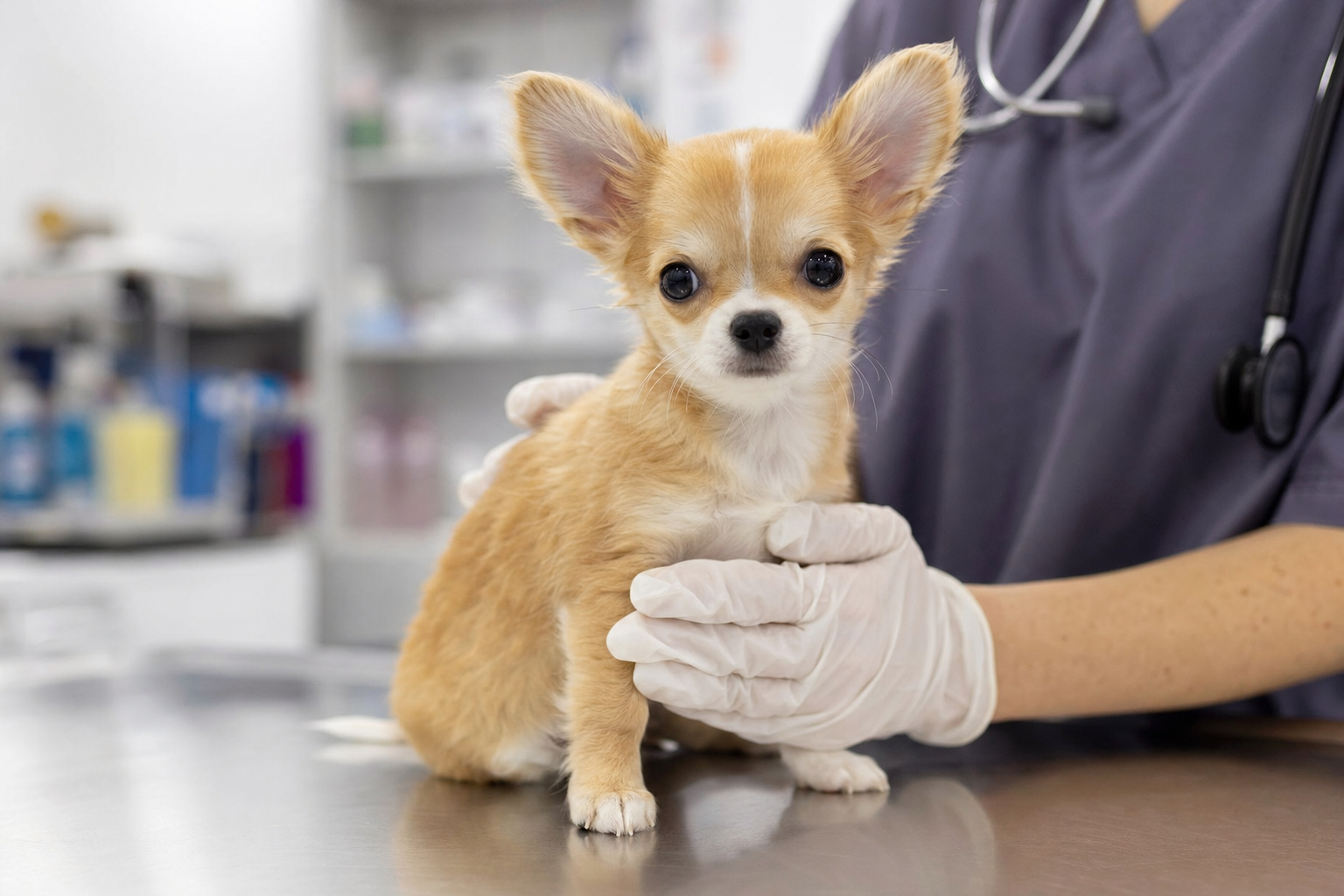
As summer heat peaks, veterinary professionals are issuing updated guidance for July 2026, emphasizing proactive wellness and early detection for common Chihuahua health concerns.
What's new today
This July, the veterinary community is doubling down on a message of prevention over cure, particularly for small breeds like the Chihuahua. Drawing on updated AVMA guidance and recent findings in canine health publications, the consensus is clear: early and consistent intervention is the key to extending a Chihuahua's already impressive lifespan. The focus is shifting from simply treating problems as they arise to actively managing health to prevent them entirely. This is especially relevant for breed-specific predispositions.
Three key areas are receiving renewed attention. First, dental health. Vets report that periodontal disease remains the number one health issue for Chihuahuas, often starting as early as age two. The latest recommendation is a multi-pronged approach combining daily home care with annual professional cleanings under anesthesia. Second, orthopedic health, specifically patellar luxation (slipping kneecaps), is under the microscope. Experts are now advocating for earlier screening and more aggressive management through weight control and targeted supplements, rather than waiting for lameness to become severe. Finally, cardiac health screenings for conditions like mitral valve disease are being recommended for Chihuahuas entering middle age (around 5-6 years old), a shift from previous protocols that often delayed screening until a heart murmur was detected during a routine exam.
Emerging research also highlights the link between a Chihuahua's weight and the severity of these conditions. A recent veterinary survey indicates that over 50% of small-breed dogs are overweight, a factor that significantly worsens joint stress and cardiovascular strain. This summer, owners are being encouraged to see their vet for a body condition score and a tailored nutrition plan, moving beyond generic feeding guidelines on a dog food bag.
Key takeaways
- Dental Disease is Preventable: Proactive dental care, including daily brushing and annual professional cleanings, is now considered a standard of care, not an optional extra.
- Early Joint Screening: Vets advise discussing patellar luxation screening during puppy visits and maintaining a lean body condition to minimize stress on joints.
- Middle-Age Heart Checks: A baseline cardiac evaluation, including auscultation and potentially an echocardiogram, is recommended for Chihuahuas starting around age five.
- Individualized Vaccinations: While core vaccines are essential, veterinarians are increasingly tailoring booster schedules based on a dog's specific lifestyle and risk factors.
- Weight is a Vital Sign: Maintaining a healthy weight is the single most effective way owners can mitigate risks for joint, heart, and metabolic diseases.
- Mental Wellness Matters: Alongside physical health, providing regular enrichment and managing separation anxiety are being recognized as crucial components of overall wellness.
What it means for Chihuahua owners
For the dedicated Chihuahua owner, this updated guidance provides a clear roadmap for a healthier, longer life for their companion. The emphasis on prevention means you have more control than you might think. Instead of waiting for a bad breath problem, you can establish a brushing routine now. This is critical because Chihuahuas' small, crowded mouths create a perfect environment for tartar buildup, which can lead to painful infections, tooth loss, and even systemic health issues affecting the heart and kidneys.
Understanding the risk of patellar luxation empowers you to be vigilant. Watch for a sudden skip in your dog's step, a momentary limp, or a 'bunny hop' gait. By keeping your Chihuahua lean, you drastically reduce the daily strain on their delicate knee joints. Discussing this with your vet early can lead to a management plan that may involve joint-supportive supplements like glucosamine and chondroitin, preventing or delaying the need for surgical intervention down the road.
The push for earlier cardiac screening is about catching problems before they cause symptoms. Mitral valve disease is common in older Chihuahuas, but early detection allows for medication and lifestyle changes that can significantly slow the disease's progression and maintain a high quality of life. Think of these screenings not as a search for bad news, but as an essential part of long-term health planning.
Expert tips from our breeder
From our decades of experience, we've found these practices make a world of difference:
- Food Choice: Opt for a high-quality, small-breed specific kibble. Brands like Royal Canin Chihuahua Adult or Hill's Science Diet Small Paws have kibble sizes designed for their mouths and formulations that often include dental care benefits.
- Daily Dental Duty: Brush your Chihuahua's teeth every single day with a C.E.T. enzymatic dog toothpaste. It takes less than two minutes and is the best defense against periodontal disease. If brushing isn't possible, dental wipes and water additives are a good second choice.
- Vet Visit Schedule: Stick to annual wellness exams without fail. After age 6, we recommend switching to bi-annual checkups to more closely monitor heart, dental, and organ function.
- Joint-Safe Activity: Avoid encouraging your Chihuahua to jump on and off high furniture. Use doggy stairs or ramps to prevent repetitive impact on their legs and spine. Keep nails trimmed short to ensure proper foot posture.
- Know Your Dog's Baseline: Pay close attention to your Chihuahua's normal energy levels, breathing rate at rest (should be under 30 breaths per minute), and appetite. Subtle changes are often the first sign that something is amiss.
Sources & further reading
- American Veterinary Medical Association (AVMA) Pet Health Guidance
- American Kennel Club (AKC) Chihuahua Breed Health Information
- Veterinary Partner Network: Patellar Luxation in Small Breeds
- Today's Veterinary Practice: Small Breed Dental Care (publication)
Looking for a healthy, well-socialized puppy? See our available /puppies and /contact us to learn more about our health-first breeding program.
Educational information only. This briefing is general Chihuahua owner education from the World Class Puppies newsroom. It is not veterinary advice and has not been reviewed by a veterinarian. Care, diet and treatment decisions depend on the individual dog — please follow the guidance of your own licensed veterinarian.