Vets Urge New Training Focus for Chihuahuas: June 2026 Guidance
Tuesday, June 30, 2026 · World Class Puppies Newsroom
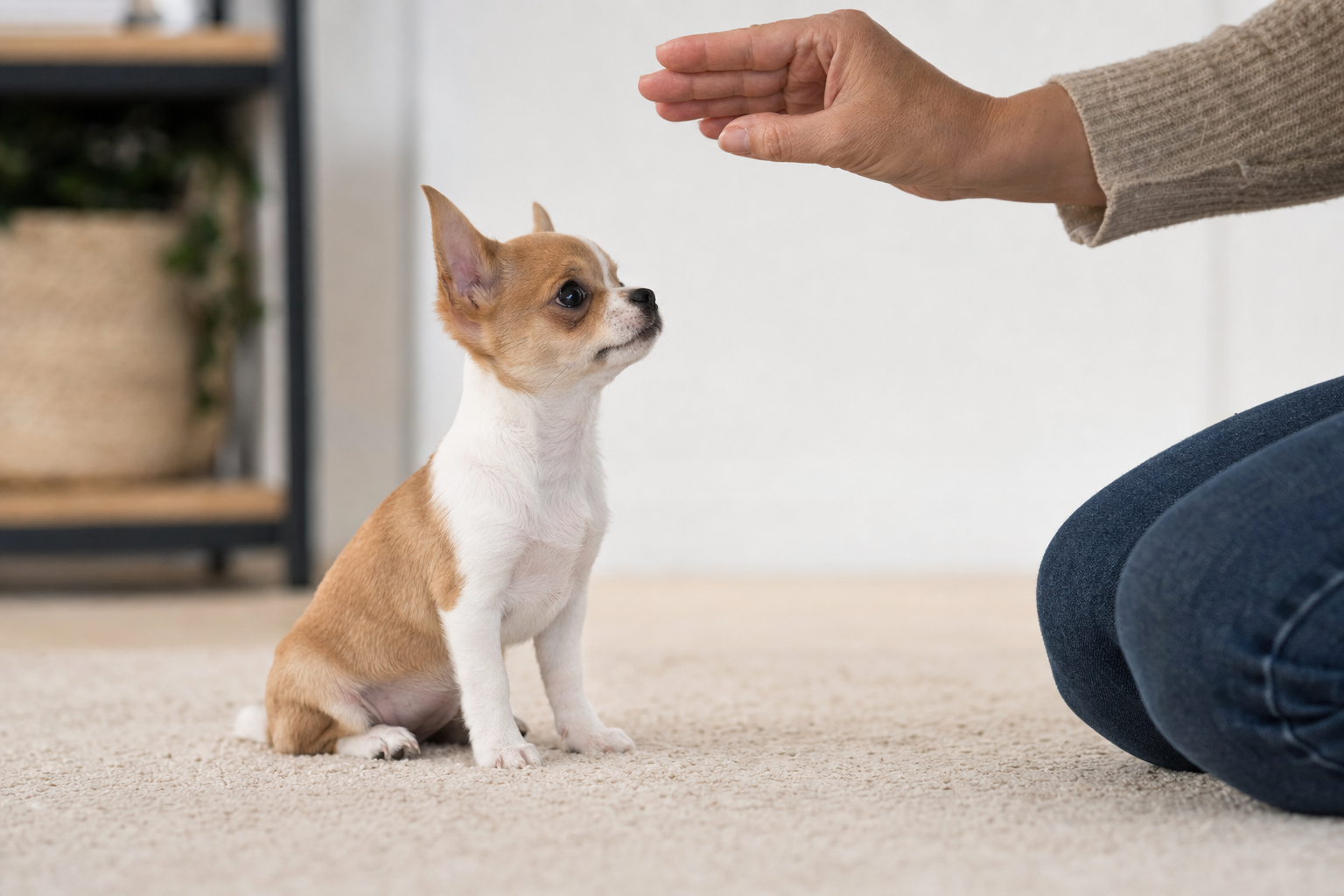
DALLAS, TX — As summer activities peak, veterinary behaviorists and top breeders are issuing updated guidance on Chihuahua training, emphasizing brain-engaging activities and early, positive socialization to prevent common behavioral issues.
What's new today
Recent analysis of search trends and veterinary publications for June 2026 reveals a significant shift in Chihuahua training philosophy. The consensus among professionals, from the American Veterinary Medical Association (AVMA) to certified trainers, is a firm move away from outdated punishment or dominance-based methods. Instead, the focus is squarely on positive reinforcement and understanding the unique cognitive needs of this intelligent toy breed.
Guidance from leading veterinary behavior journals highlights the concept of "proactive socialization." This isn't just about exposing a puppy to new things; it's about carefully curating short, overwhelmingly positive experiences. For Chihuahuas, who can be naturally wary, this means controlled introductions to new sounds, surfaces, and calm, vaccinated dogs for just a few minutes at a time. The goal is to build confidence, not flood their senses.
Furthermore, there's growing emphasis on mental exercise as a cornerstone of good behavior. Experts are now recommending that mental stimulation—through puzzle toys, scent work, and learning new tricks—should occupy as much, if not more, training time as physical walks. This approach is proving highly effective in curbing unwanted behaviors like excessive barking and anxiety, which are often signs of boredom, not Stubbornness.
Key takeaways
- Positive Reinforcement is the Gold Standard: Current AVMA and AKC guidance strongly advocates for using treats, praise, and toys to reward desired behaviors. Aversive methods are now understood to increase fear and anxiety.
- Socialization is Short and Sweet: Forget long, overwhelming trips to a busy park. The new protocol involves brief (5-10 minute), positive, and controlled exposures to new environments, people, and other animals.
- Mental Enrichment is Non-Negotiable: A bored Chihuahua is more likely to develop behavioral problems. Daily puzzle toys, training games, and scent work are now considered essential parts of their routine.
- Crate as a Sanctuary, Not a Jail: Crate training is recommended, but the focus is on making it a safe, comfortable den. It should never be used for punishment. The crate provides security and is a vital tool for potty training.
- Consistency is Critical: The small size of Chihuahuas can lead owners to be inconsistent with rules. Experts stress that the same rules (e.g., no jumping, consistent potty schedule) must apply as they would for a large dog.
- Revisit Leash Skills: Using a harness instead of a collar to protect their delicate trachea is a key recommendation. Leash training should focus on making walks a positive experience, not a battle of wills.
What it means for Chihuahua owners
For Chihuahua owners, this updated guidance means shifting from a mindset of simple "obedience" to one of holistic behavioral wellness. It's time to trade the long, stressful walks for shorter, more frequent "sniffari" walks where your pup can explore at their own pace. Invest in a few food puzzles to make mealtime an engaging activity rather than a two-minute affair. This not only tires them out mentally but also builds confidence and problem-solving skills.
This summer, focus on creating a predictable and positive environment. When house-training a puppy, this means frequent trips outside (every 30-60 minutes), especially after waking up, playing, and eating, followed by enthusiastic praise for success. Instead of scolding for accidents, focus on preventing them and managing the environment. Many behaviors labeled as "Small Dog Syndrome" are not inherent to the breed but are learned responses to fear, lack of training, or inconsistent handling. By following modern, science-backed protocols, you are setting your tiny companion up for a lifetime of confidence and good behavior.
Expert tips from our breeder
- Potty Training Schedule: For a young puppy, take them out every hour, on the hour. Use a specific verbal cue like "go potty." When they go, offer a high-value treat (a tiny piece of freeze-dried liver works wonders) and exaggerated praise immediately.
- Harness is a Must: Always walk your Chihuahua on a well-fitting H-style harness, not a collar. This protects their fragile throat and windpipe from an injury known as tracheal collapse. Check the fit regularly as they grow.
- Crate Introduction: Make the crate the best place in the house. Feed all meals inside the crate with the door open. Randomly drop high-value treats inside for them to find. Start closing the door for just seconds at a time, gradually increasing the duration.
- Socialization Checklist: Create a list of things for your puppy to experience positively: the sound of a vacuum from another room, walking on grass vs. pavement, seeing a bicycle from a distance. Pair each new experience with a tasty treat.
- Recall Practice: Start practicing "come" in a quiet room. Use an excited tone and reward generously when they come to you. Keep sessions short (1-2 minutes) and always end on a successful note. Never call your dog to punish them.
Sources & further reading
- AVMA Guidelines on Animal Behavior and Training
- AKC Chihuahua Breed Standard & Training
- Journal of Small Animal Veterinary Behavior: Recent Findings on Positive Reinforcement
Find your future friend at our /puppies page or /contact us with any questions.
Educational information only. This briefing is general Chihuahua owner education from the World Class Puppies newsroom. It is not veterinary advice and has not been reviewed by a veterinarian. Care, diet and treatment decisions depend on the individual dog — please follow the guidance of your own licensed veterinarian.