Chihuahua Training Breakthroughs for July 2026: Expert Summer Guide
Thursday, July 2, 2026 · World Class Puppies Newsroom
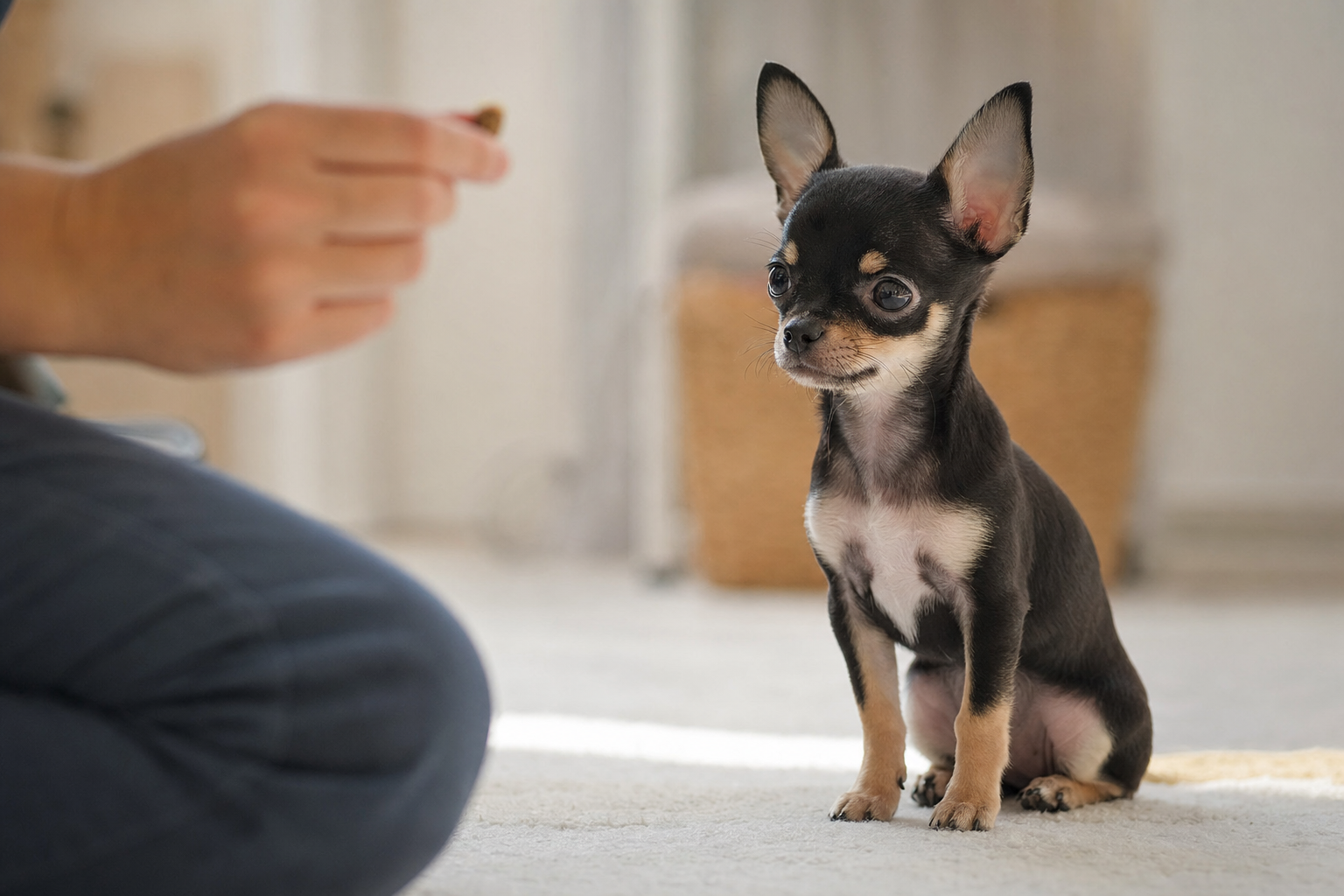
LOS ANGELES — As summer activities ramp up, veterinary behaviorists are issuing updated guidance for Chihuahua training, emphasizing early, positive socialization and mental enrichment to prevent common behavioral issues.
What's new today
This July, the conversation around Chihuahua training is shifting from simple command-based obedience to a more holistic concept of "behavioral wellness." Trending searches across Google and queries to AI assistants reveal owner concerns about reactivity, separation anxiety, and leash aggression—problems that experts stress can be mitigated with modern, proactive training from puppyhood. Recent publications from veterinary behaviorists and updated AKC guidance highlight the critical importance of the socialization window (3 to 16 weeks) and advocate for a science-based, positive reinforcement approach over outdated, punishment-based methods.
The consensus among leading professionals is that Chihuahuas, despite their small size, require the same robust training and socialization as any large breed. The modern approach treats training not as a chore, but as a series of engaging games that build confidence, strengthen the human-animal bond, and provide essential mental stimulation. This summer, the focus is less on forcing compliance and more on creating a well-adjusted, confident companion who understands how to navigate the human world calmly and safely.
Key takeaways
- Positive Reinforcement is the Standard: Virtually all reputable veterinary and breeder sources now exclusively recommend positive reinforcement (using treats, praise, and toys) to build desirable behaviors, noting it's more effective and humane than punishment.
- Socialization is About Calm Exposure: The new focus is on quality, not quantity. It's about creating calm, positive associations with new sights, sounds, and surfaces, rather than overwhelming a puppy with chaotic interactions.
- Mental Enrichment is Non-Negotiable: Puzzle toys, scent work, and learning new tricks are now considered as crucial as physical exercise for preventing boredom-related behaviors like excessive barking and destructiveness.
- Proactive Management Prevents Problems: This involves setting up the environment for success. For example, using baby gates to prevent potty accidents in unsupervised areas and providing appropriate chew toys to redirect nipping.
- Cooperative Care builds Trust: Training your Chihuahua to voluntarily participate in handling and grooming (like nail trims and ear cleaning) reduces stress for both dog and owner, according to AVMA guidance.
- Consistency is Crucial: All family members must be on the same page with rules and cues to avoid confusing the puppy and undermining training progress.
What it means for Chihuahua owners
For Chihuahua owners, this updated guidance means re-framing training as a daily enrichment activity. Instead of long, demanding sessions, focus on multiple short, 3-5 minute training 'games' throughout the day. This is especially effective for a breed with a short attention span. Use a portion of your Chihuahua's daily meal kibble for training rewards to control calorie intake.
Embrace crate training as creating a safe, personal 'den'—never as punishment. Make the crate comfortable and offer high-value, crate-only treats and toys to build a positive association. For socialization, think creatively. A short car ride (safely secured), a few minutes sitting on a park bench watching the world go by, or walking on different surfaces like grass, pavement, and a crunchy tarp in the yard all count as valuable, confidence-building experiences.
Ultimately, this summer's training philosophy empowers you to be your dog’s best advocate. By managing their environment and focusing on building their confidence through positive experiences, you are not just teaching commands; you are shaping a happy, resilient, and well-behaved lifelong companion.
Expert tips from our breeder
- Potty Training Protocol: For puppies under 16 weeks, take them out every 60-90 minutes, plus immediately after waking, eating, and playing. Use a consistent spot and a verbal cue like 'Go potty.' Reward success with high praise and a special treat.
- Leash & Harness Introduction: Begin by letting your puppy wear a lightweight harness (to protect their delicate trachea) around the house for short periods, associating it with treats. Initial walks should be short, sniff-focused adventures in a low-traffic area, not marathon jogs.
- Socialization Checklist: Between 8-16 weeks, aim for safe and positive exposure to different types of people (hats, beards, sunglasses), sounds (vacuum cleaner at a distance, traffic noise), and stable, vaccinated, friendly adult dogs in a controlled one-on-one setting.
- Recall Foundation: Start in a quiet room. Say your puppy's name and 'Come!' in an excited tone. When they move toward you, praise them and give them a high-value reward. Keep it fun and never call them for something unpleasant.
Sources & further reading
- American Kennel Club (AKC) - Chihuahua Breed & Training Information
- AVMA - Canine Behavior Resources
- The Whole Dog Journal - Training Articles
- Journal of Veterinary Behavior: Clinical Applications and Research
Explore our available puppies at /puppies or /contact us with your questions.
Educational information only. This briefing is general Chihuahua owner education from the World Class Puppies newsroom. It is not veterinary advice and has not been reviewed by a veterinarian. Care, diet and treatment decisions depend on the individual dog — please follow the guidance of your own licensed veterinarian.