Chihuahua Health Update: Vets Urge Proactive Care for June 2026
Tuesday, June 30, 2026 · World Class Puppies Newsroom
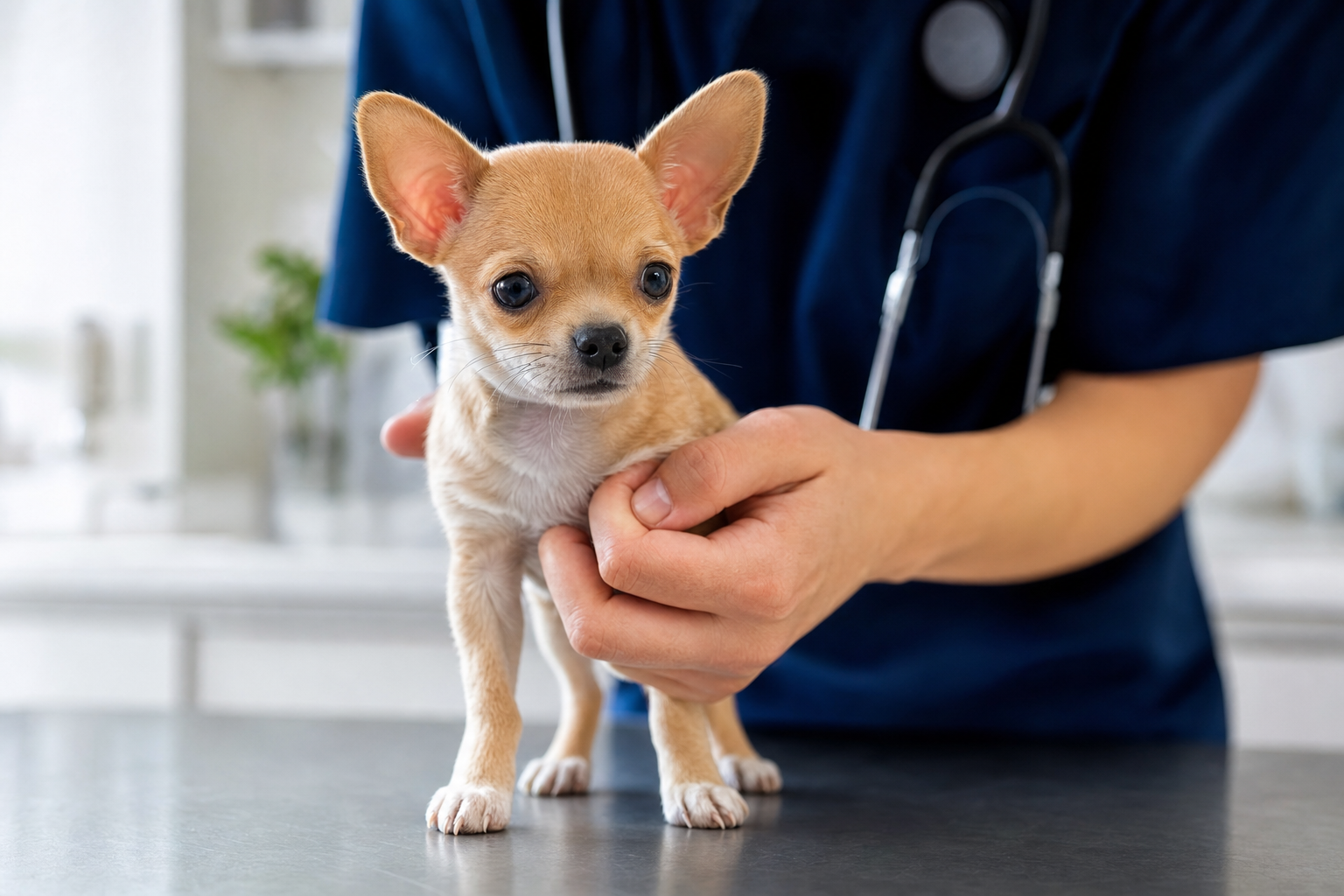
LOS ANGELES — As summer continues, veterinarians are emphasizing a shift toward proactive and preventative care for Chihuahuas, focusing on new guidance for dental health, joint support, and early cardiac screening, according to a review of recent veterinary publications and association guidelines.
What's new today
This month, the conversation in veterinary circles is centered on moving beyond reactive treatment for common Chihuahua ailments. A consensus is growing around early and consistent screening to improve both lifespan and quality of life. For dental health, the focus is on prevention, with many vets now recommending annual cleanings under anesthesia and the use of digital dental X-rays as a standard of care to detect disease below the gumline, a frequent issue in tiny mouths. This aligns with guidance from the Veterinary Oral Health Council (VOHC), which continues to stress that dental disease is a whole-body health problem.
In orthopedics, recent veterinary survey data shows a preference for early screening for patellar luxation (slipping kneecaps), a condition affecting a significant percentage of the breed. Rather than waiting for limping to become severe, vets are advising manual checks at every wellness visit and promoting non-surgical management like physical therapy, weight control, and joint supplements to delay or prevent the need for surgery. Similarly, for heart health, cardiologists are advocating for earlier baseline echocardiograms for Chihuahuas, especially those over five. The goal is to detect the early stages of Mitral Valve Disease (MVD), the most common heart issue in the breed, before a murmur is even audible.
Finally, the American Veterinary Medical Association's (AVMA) principles on vaccination continue to be interpreted with more nuance. Veterinarians are increasingly tailoring vaccine protocols to each Chihuahua's individual lifestyle and risk, moving away from a one-size-fits-all schedule.
Key takeaways
- Proactive Dental Care: Vets are pushing for preventative dental cleanings and X-rays, not just treating visible tartar.
- Early Joint Screening: Routine manual checks for patellar luxation are becoming standard practice during wellness exams.
- New Heart Health Guidance: Experts recommend discussing a baseline heart echocardiogram with your vet around age 5, even without symptoms.
- Customized Vaccinations: Vaccine schedules are being tailored to the specific risks of your dog's environment and lifestyle.
- Weight is Critical: Maintaining a lean body weight is the single most effective way to protect a Chihuahua's joints and heart.
- Supplements as Support: Joint supplements containing glucosamine are now commonly recommended as a preventative measure.
What it means for Chihuahua owners
The shift toward preventative medicine puts the owner in a powerful position. Instead of waiting for a problem to arise, you can partner with your vet to create a long-term health plan for your Chihuahua. At your next annual visit, be prepared to discuss these specific topics: a multi-year dental plan, a hands-on check of your dog's knees, and the right time to consider a baseline cardiac screening. This proactive approach may require a greater investment upfront, but it is proven to reduce the risk of costly and emotionally draining emergency procedures later in life.
Understanding that Chihuahuas are not just small dogs but a unique breed with specific predispositions is key. Their tiny jaws, delicate leg structure, and genetic risk for heart conditions demand a specialized approach. By staying informed about the latest veterinary guidance, you can make decisions that directly contribute to a longer, happier, and more comfortable life for your companion.
Expert tips from our breeder
- Dental Hygiene: Brush your Chihuahua's teeth at least 3-4 times per week using a finger brush and an enzymatic toothpaste approved by the VOHC. We recommend brands like C.E.T. or Virbac.
- Joint Support: For Chihuahuas over the age of one, consider adding a high-quality joint supplement containing glucosamine, chondroitin, and MSM to their diet, especially if they are active.
- Annual Vet Check: Insist that your vet perform a thorough patellar palpation and listen carefully for any new heart murmurs at every single annual exam.
- Lean Body Condition: Feed a precise amount of high-quality food—do not free-feed. You should be able to easily feel your Chihuahua's ribs without seeing them. A lean dog is a healthy dog.
- Cardiac Planning: Start a conversation with your vet about a ProBNP blood test or a baseline echocardiogram once your Chihuahua reaches 5 years of age to establish a healthy baseline for their heart.
Sources & further reading
- American Veterinary Medical Association (AVMA) Vaccination Principles
- American Kennel Club (AKC) - Chihuahua Breed Health Statement
- Veterinary Oral Health Council (VOHC)
- Current Research in Veterinary Cardiology (ACVIM)
Find your perfect companion at World Class Puppies or contact us for more information.
Educational information only. This briefing is general Chihuahua owner education from the World Class Puppies newsroom. It is not veterinary advice and has not been reviewed by a veterinarian. Care, diet and treatment decisions depend on the individual dog — please follow the guidance of your own licensed veterinarian.