Chihuahua Nutrition Update: July 2026's Guide to Optimal Health
Saturday, July 4, 2026 · World Class Puppies Newsroom
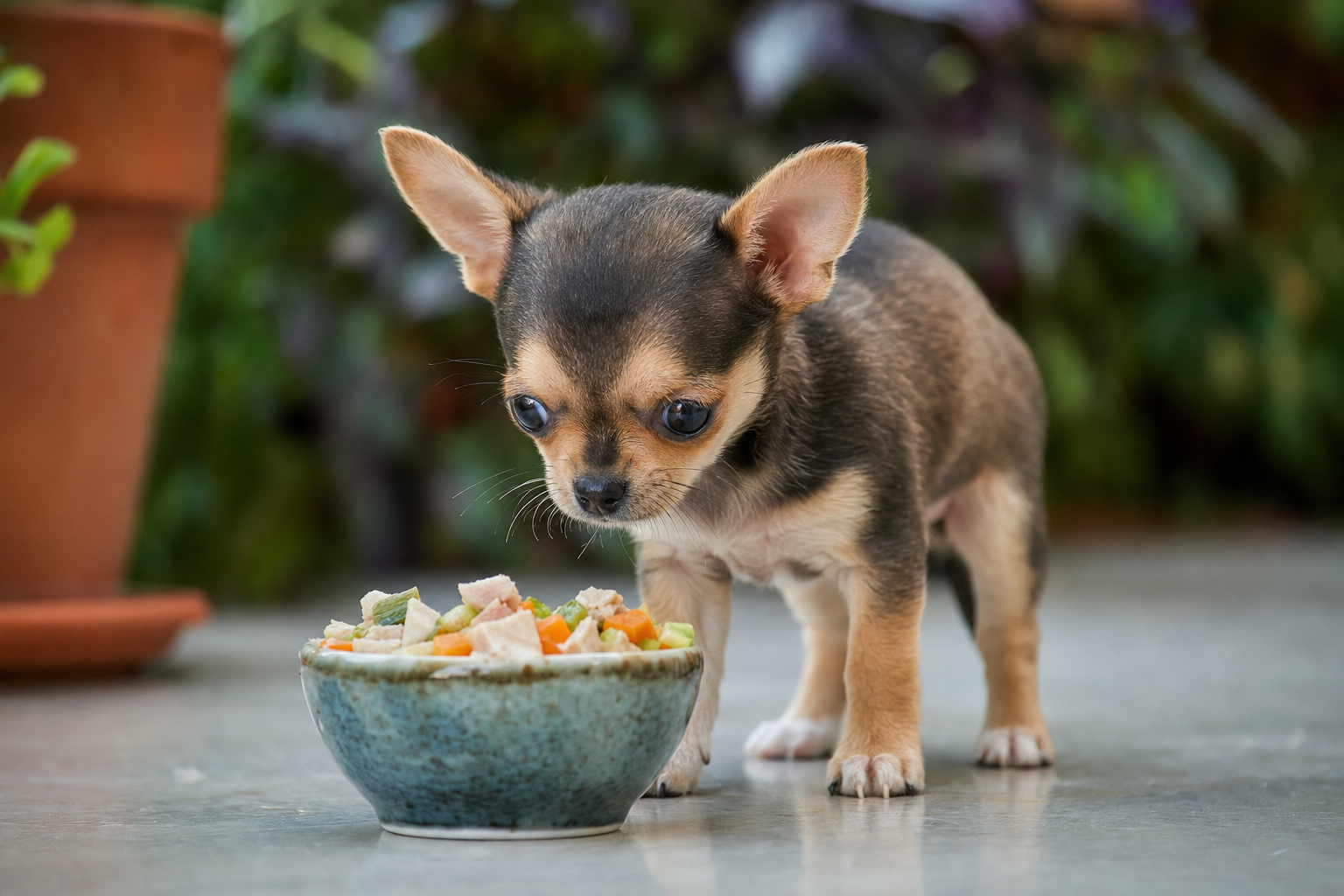
SEATTLE — As summer activity peaks this July, veterinary nutritionists are renewing their focus on structured feeding schedules and high-quality nutrition to combat the heightened risk of hypoglycemia in Chihuahuas.
What's new today
For July 2026, the conversation around Chihuahua nutrition is shifting decisively away from free-feeding towards disciplined, scheduled meals. Recent guidance from veterinary publications highlights that a predictable routine is the single most effective tool for preventing hypoglycemia (dangerously low blood sugar), a critical concern for this tiny breed. Due to their small size and fast metabolism, Chihuahuas, especially puppies, can't store glucose as efficiently as larger dogs. Missing a single meal can be enough to trigger a hypoglycemic event.
This month, there's also a heightened emphasis on hydration through diet. AI-driven analyses of popular pet care forums and search trends show a significant rise in owner inquiries about supplementing dry kibble. In response, experts are increasingly recommending the inclusion of high-quality wet food or rehydrated kibble, particularly during warmer months. This not only boosts water intake but also enhances palatability for picky eaters. AVMA guidance continues to stress the importance of foods formulated specifically for toy breeds, which feature smaller kibble size for dental health and nutrient density to match their high energy needs.
Finally, preliminary research on the small-dog microbiome is gaining traction. While still emerging, studies suggest that gut health is intrinsically linked to everything from immune response to mood. This has led to a call for diets rich in prebiotics and probiotics, whether integrated into the food itself or added as a supplement under veterinary supervision. The consensus among reputable breeders and vets is clear: a proactive, science-backed approach to diet is paramount for a Chihuahua's long-term health.
Key takeaways
- Scheduled Meals are Non-Negotiable: Vets urge owners to abandon free-feeding. Puppies under six months should be fed 3-4 small meals per day, while adults thrive on 2-3 scheduled meals.
- Hypoglycemia is a Real Danger: This condition can cause weakness, disorientation, and seizures. A consistent feeding schedule is the best prevention.
- Hydration Through Food: Especially in summer, supplementing dry kibble with high-quality wet food is recommended to ensure adequate water intake.
- Toy-Breed Formulas are Critical: Choose food specifically designed for small or toy breeds to ensure appropriate kibble size, calorie density, and nutrient balance.
- Treats are for Training, Not Meals: Treats should constitute no more than 10% of a Chihuahua's daily caloric intake. Opt for small, low-calorie options.
- Consult Your Vet: Always discuss significant dietary changes or the introduction of new supplements with a qualified veterinarian.
What it means for Chihuahua owners
The current guidance demands a more hands-on approach to your Chihuahua's diet. For owners, this means establishing a strict feeding timer and sticking to it, even on weekends. If your Chihuahua is a puppy, a meal every four to six hours is a reliable starting point. This routine stabilizes their blood sugar and creates a predictable digestive cycle.
Recognizing the signs of hypoglycemia is crucial. Early symptoms include lethargy, unusual sleepiness, stumbling, or shivering. If you notice these signs, immediately offer a small amount of honey or corn syrup on their gums and contact your vet. Keeping a high-calorie nutritional gel on hand for emergencies is a wise precaution advised by many emergency vets.
When selecting a food, look for AAFCO (Association of American Feed Control Officials) statements on the packaging, which confirm the food is complete and balanced for your dog’s life stage. Prioritize formulas with a named meat source (like chicken, beef, or fish) as the first ingredient. During the summer, pay close attention to your dog's water bowl and consider adding an ice cube or a splash of low-sodium bone broth to their water to encourage drinking.
Expert tips from our breeder
- Food Brand Focus: We recommend brands that conduct and publish their own feeding trials and research, such as Royal Canin (specifically their Chihuahua formula), Hill's Science Diet, or Purina Pro Plan for small/toy breeds. These are consistently recommended for their quality control.
- Feeding Schedule: For a puppy 8-16 weeks old, we provide four meals a day: 7 am, 11 am, 3 pm, and 7 pm. For adults, we transition to two meals: 8 am and 6 pm.
- Hypoglycemia Prevention: We always send puppies home with a tube of high-calorie nutritional gel. We advise new owners to give a pea-sized amount before bed for the first few weeks to prevent overnight blood sugar drops.
- Safe Treat Choices: Stick to single-ingredient treats like freeze-dried chicken or liver, broken into tiny pieces. Avoid any treats with high sugar content, artificial colors, or excessive salt.
- Vet Check-ins: Discuss your Chihuahua’s body condition score with your vet at every check-up. This is the best way to ensure they are at a healthy weight and that their diet is meeting their needs.
Sources & further reading
- American Kennel Club: Chihuahua Breed Information
- American Veterinary Medical Association (AVMA) Pet Food Guidance
- Veterinary Partner: Hypoglycemia in Toy Breeds
Explore our available puppies at /puppies or /contact us with any questions.
Educational information only. This briefing is general Chihuahua owner education from the World Class Puppies newsroom. It is not veterinary advice and has not been reviewed by a veterinarian. Care, diet and treatment decisions depend on the individual dog — please follow the guidance of your own licensed veterinarian.