Chihuahua Nutrition Update for August 2026: Vet Feeding Guidance
Saturday, August 8, 2026 · World Class Puppies Newsroom
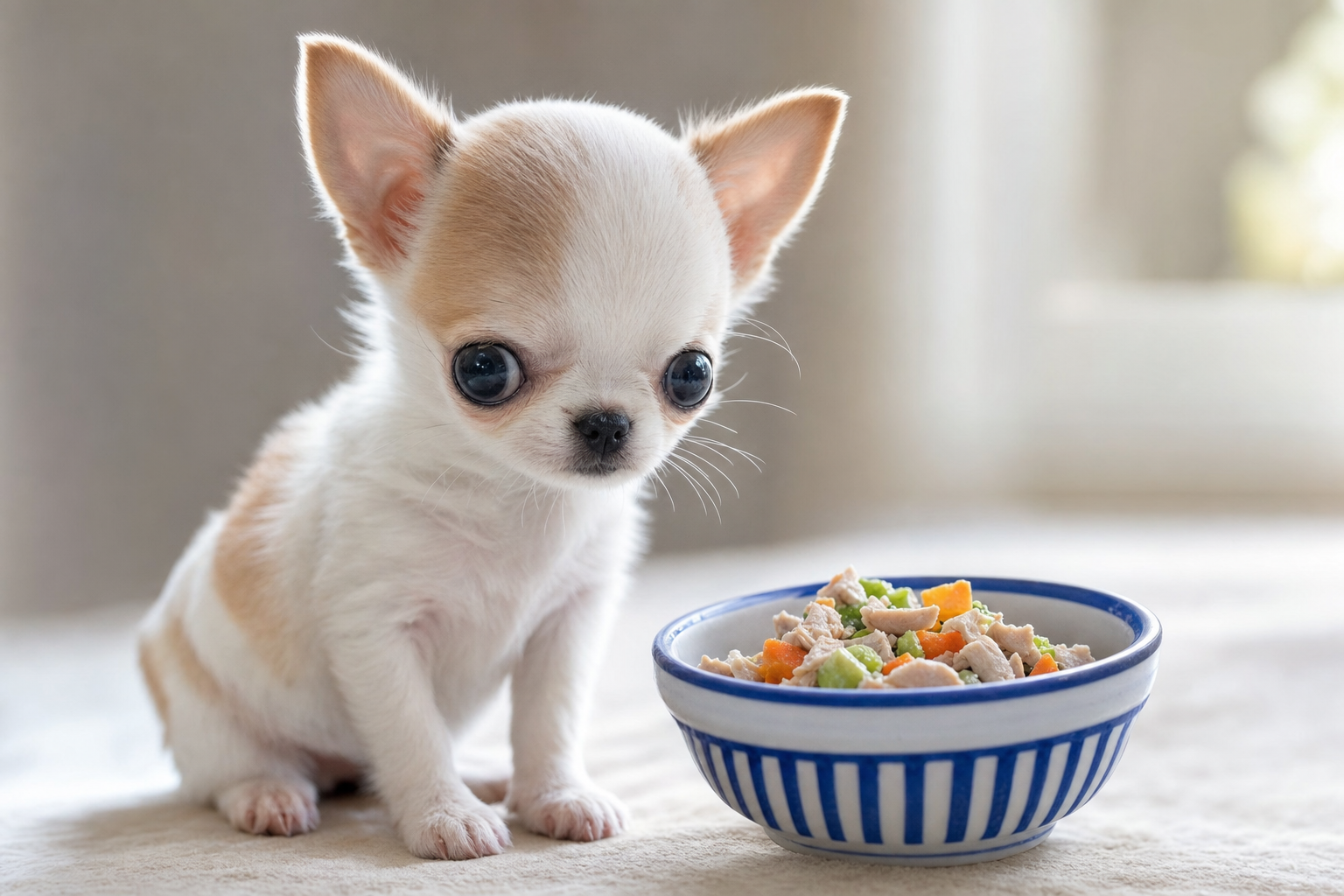
NATIONWIDE — As August temperatures persist, veterinary nutritionists are renewing calls for Chihuahua owners to vigilantly manage feeding schedules to combat the critical risk of hypoglycemia, especially in puppies.
What's new today
This month, leading veterinary publications and breeder networks are emphasizing a proactive approach to Chihuahua nutrition, moving beyond simple feeding to strategic meal timing and composition. The primary concern is hypoglycemia, a rapid and potentially fatal drop in blood sugar to which all Chihuahuas, particularly the smaller teacup chihuahua and young chihuahua puppies, are highly susceptible. The summer heat can exacerbate this risk by suppressing appetite while increasing energy expenditure through panting and temperature regulation.
Recent guidance from veterinary associations highlights the inadequacy of two-meals-a-day schedules for this breed. Instead, experts universally recommend multiple (4-6) small, calorie-dense meals spaced evenly throughout the day for puppies under six months. This strategy provides a steady stream of glucose to their tiny bodies, which have minimal fat reserves for energy storage. The focus is on high-quality, breed-specific puppy food formulated for toy breeds, which packs more calories and nutrients into each small kibble.
Breeders are also reporting a shift in owner education, focusing on teaching new owners to recognize the early signs of hypoglycemia (lethargy, weakness, trembling) and to have an emergency plan in place. This includes keeping a high-calorie supplement like Nutri-Cal on hand at all times. The consensus is clear: for a chihuahua puppy, consistent nutrition isn't just about growth, it's a matter of daily survival.
Key takeaways
- Hypoglycemia is a critical risk: Chihuahuas, especially puppies and
mini chihuahuavarieties, have tiny stomachs and low body mass, making them prone to dangerous blood sugar drops. - Frequency over quantity: Vets recommend 4-6 small meals per day for puppies to maintain stable energy levels, rather than two larger meals.
- Calorie density is crucial: Choose a high-quality, small-breed puppy formula that provides concentrated energy and nutrients in every bite.
- Summer impacts appetite: Monitor your Chihuahua's food intake closely during hot weather, as they may eat less. Ensure meals are enticing and easily digestible.
- Hydration is non-negotiable: Constant access to fresh, cool water is essential for digestion, energy, and preventing heat stress.
- Treats in moderation: Treats should constitute less than 10% of your Chihuahua's daily caloric intake to avoid unbalancing their diet.
What it means for Chihuahua owners
For owners of any Chihuahua—from a long haired chihuahua to an apple head chihuahua—this renewed focus means re-evaluating your daily routine. If you are feeding your puppy only twice a day, it's time to update that schedule immediately. Divide their total daily food portion, as recommended on the food packaging, into several smaller meals. For example, if your puppy needs 1/2 cup of food per day, provide 1/8 of a cup four times daily.
This approach requires more planning but is the single most effective way to prevent a hypoglycemic emergency. It's also vital to create a consistent feeding environment, free from stress. If you work outside the home, consider using an automatic pet feeder or arranging for someone to provide a midday meal. Always check with your vet to confirm the appropriate food amount and schedule for your specific puppy's age, weight, and activity level. Their guidance is the gold standard for your dog's health.
Finding a Healthy Puppy: A Prerequisite for Good Nutrition
Before you can implement the perfect feeding plan, you must find a healthy, well-bred puppy. The source of your chihuahua dog for sale directly impacts its lifelong health and temperament. Here are answers to common questions.
How do I find a reputable Chihuahua breeder near me?
A reputable breeder prioritizes health, temperament, and adherence to breed standards. Look for breeders who are affiliated with the American Kennel Club (AKC), perform genetic health testing on their parent dogs (for conditions like heart and eye issues), and welcome questions. They should provide a clean, stimulating environment and be willing to show you the puppy's parents. A good starting point when looking for chihuahua breeders is the AKC Marketplace, but always do your own thorough vetting.
Who sells Apple Head Chihuahuas?
Many reputable breeders focus on producing Chihuahuas that meet the AKC breed standard, which specifies the "well-rounded, 'apple dome' skull." If you are searching for apple head chihuahua for sale, seek out breeders who specifically mention breeding to this standard. They will be proud of their dogs' conformation and health. Be wary of anyone using the term as a novelty marketing gimmick without proof of quality breeding practices.
How much are Apple Head Chihuahua puppies?
The cost of a well-bred apple head chihuahua puppy can vary significantly based on factors like the breeder's reputation, the dog's lineage (champion bloodlines), your location, and the puppy's specific markings. While it's tempting to look for a lower price, extremely cheap puppies often come from sources that cut corners on health care and socialization. Investing in a puppy from a responsible source is an investment in a healthier, happier companion.
Expert tips from our breeder
- Food Choice: We recommend a premium, veterinary-approved food like Royal Canin Chihuahua Puppy or Hill's Science Diet Small Paws. They are specifically designed with the right kibble size and caloric content.
- Feeding Schedule: For a
chihuahua puppy8-16 weeks old, feed four meals per day: roughly 7 am, 11 am, 3 pm, and 7 pm. After 6 months, you can transition to three meals per day. - Hydration: Keep at least two shallow, heavy-bottomed bowls of fresh water available in different locations to encourage drinking.
- Emergency Prep: Always have a tube of high-calorie nutritional gel (like Nutri-Cal) on hand. If your puppy seems weak or disoriented, rub a small amount on their gums and call your vet immediately.
- Treat Wisely: Use tiny pieces of their own kibble as training rewards. Avoid fatty table scraps which can cause pancreatitis.
Sources & further reading
- Chihuahua Breed Information - American Kennel Club
- Hypoglycemia in Small Breed Dogs - American Veterinary Medical Association (AVMA)
- Small Animal Clinical Nutrition - Mark Morris Institute
Ready to find your perfect companion? See our available Chihuahua puppies or contact us to learn more about our health and feeding protocols.
Educational information only. This briefing is general Chihuahua owner education from the World Class Puppies newsroom. It is not veterinary advice and has not been reviewed by a veterinarian. Care, diet and treatment decisions depend on the individual dog — please follow the guidance of your own licensed veterinarian.