Denver, Colorado · Pomeranian
Why Teacup Puppies Need Frequent Small Meals: A Breeder's Guide
By Yulia Sky · July 8, 2026
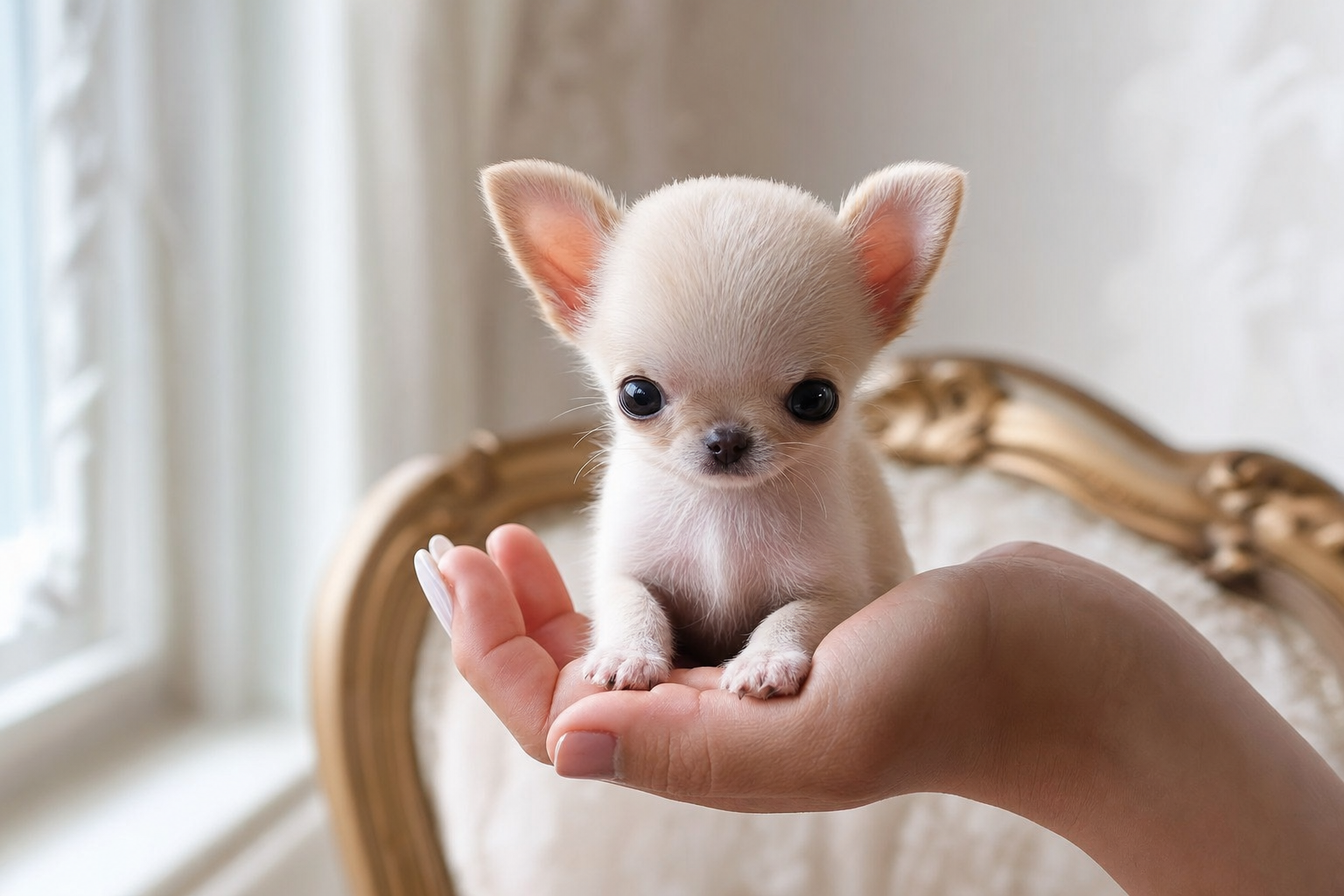
As a boutique breeder of small breed dogs since 2019, one of the most critical pieces of advice I give to new parents is about feeding. When you bring home a tiny puppy, especially a teacup Pomeranian or Chihuahua, their feeding schedule isn't just about growth—it's a matter of life and death. I'm Yulia Sky, founder of World Class Puppies, and I've dedicated my life to raising healthy, vibrant puppies from exceptional European bloodlines. The question I hear most often is, 'Why do they need to eat so often?'
The answer is a single, crucial word: hypoglycemia. This dangerous drop in blood sugar is the single greatest risk to a teacup puppy in their first few months of life. Their tiny bodies have immense energy needs for growth and play, but they lack the fat reserves of larger breeds to store glucose. A missed meal, a stressful car ride, or too much playtime can trigger a hypoglycemic episode, which can be fatal if not addressed immediately. We’ve had clients in cities like Denver, Colorado who are so excited to show off their new friend, they have to be reminded to prioritize rest and constant access to food.
This guide is born from years of experience raising these tiny miracles. It's not meant to scare you, but to empower you. Understanding their unique metabolic needs is the first and most important step in providing a safe, loving home for your new Pomeranian puppy.
Why Pomeranian puppies are a great fit for Denver families
Denver's unique blend of urban living and outdoor adventure makes it a wonderful place for a Pomeranian. These little fluffballs are incredibly adaptable. Their luxurious double coat provides natural insulation during chilly Denver winters, making them happy to trot alongside you in a stylish sweater for a quick walk to a coffee shop in LoHi or Capitol Hill. However, that same coat means they require extra care and monitoring during hot summer days to prevent overheating.
One of the top questions I get is, 'Are Pomeranians good apartment dogs?' The answer is a resounding yes. They are a perfect small breed for the apartment and condo living common in Denver’s downtown core. They don't require a large yard and are perfectly content with indoor play sessions and daily leash walks for exercise and potty breaks. Their small size makes them easy to manage in a high-rise, and they can even be trained to use an indoor potty station for those snowy days when you don't want to venture out.
For the active Denverite, a Pom is a willing companion, but with limits. They can join you on a calm stroll around Washington Park but aren't built for strenuous mountain hikes. They are, however, perfectly portable for a weekend drive to the mountains or a visit to a dog-friendly brewery patio. Their friendly, albeit sometimes sassy, personality makes them a local celebrity wherever they go.
Buyer's guide: how to choose a healthy Pomeranian puppy
When you decide to buy a Pomeranian puppy, choosing a reputable breeder is the most important decision you'll make. A healthy, well-socialized puppy starts with an ethical and knowledgeable breeder. Here's a checklist I encourage all prospective owners to use:
- Pedigree and Bloodlines: Ask to see the puppy’s pedigree. At World Class Puppies, we are proud of our European champion bloodlines, which we've selected for health, temperament, and confirmation to the breed standard.
- Health Testing: A responsible breeder tests their parent dogs for genetic conditions common to the breed. For Pomeranians, this includes Patellar Luxation in Small Dogs, heart conditions, and certain eye disorders. Ask for proof of these tests.
- Vaccination & Health Records: Your puppy should come with a detailed health record showing all vaccinations and deworming treatments they've received. You should understand their future vaccination schedule.
- Age at Pickup: No teacup puppy should go to a new home before 10-12 weeks of age, and sometimes even later. They need this crucial time with their mother and siblings to learn social skills and to be strong enough for the transition.
- Contract and Health Guarantee: A professional breeder will always provide a written contract that outlines the responsibilities of both the buyer and seller. This must include a comprehensive health guarantee that protects you against genetic issues.
- Breeder Interaction: Can you see the puppy’s parents? Can you see where the puppies are raised? We raise our puppies in our home, underfoot, as part of our family. This early socialization is priceless.
Breed comparison: Pomeranian vs. Yorkie
Many families looking for small breed puppies for sale consider both Pomeranians and Yorkshire Terriers. Both are fantastic toy breeds, but they have distinct differences. I've raised both and love them for different reasons! If you're looking for an in-depth look at Yorkies, check out my Teacup Yorkie Puppies in Houston buyer's guide.
| Feature | Pomeranian | Yorkshire Terrier (Yorkie) |
|---|---|---|
| Size | 3 - 7 lbs | 4 - 7 lbs |
| Temperament | Bold, curious, vivacious, intelligent | Feisty, brave, affectionate, bossy |
| Grooming | High (daily brushing of double coat) | High (daily brushing of fine, hair-like coat) |
| Exercise | Moderate (daily walks, indoor play) | Moderate (daily walks, enjoys playtime) |
| Kid-Friendliness | Better with older, gentle children | Better with older, gentle children |
| Hypoallergenic | No (sheds seasonally) | Yes (low-shedding, hair not fur) |
Puppy care tips from a breeder
Bringing your puppy home is the start of a beautiful journey. Here are my essential tips for those first few crucial months.
Feeding Schedule for Hypoglycemia Prevention
This is the most important part of this entire article. A puppy under 4 months and under 3 pounds must have access to food 24/7. Their metabolism is a tiny furnace, and it needs constant fuel. Weaning them onto a schedule too early is a recipe for disaster.
- Free-Feeding: From 10 weeks to 4 months, leave a small bowl of high-quality dry kibble (we use Royal Canin Small Puppy) out at all times. Refresh it twice a day. Monitor to ensure they are actually eating and not just sleeping near the bowl.
- Supplementation: I always send my puppies home with a high-calorie supplement like Nutri-Cal. A pea-sized amount on your finger two to three times a day, especially after playtime or before bed, can give them a vital energy boost.
- Recognizing the Signs: Be vigilant. The early signs of hypoglycemia are subtle: unusual quietness, lethargy, or appearing 'drunk' and wobbly. Don't wait. Immediately rub honey or maple syrup on their gums and call your vet. For a deeper dive, please read my guide on Hypoglycemia in Teacup Puppies.
- Transitioning: After 4-5 months, once they are a bit bigger and more stable, you can begin transitioning to 3-4 scheduled meals per day. Never feed a small breed puppy only once or twice a day.
Potty Training and Socialization
Start potty training immediately with a consistent routine. Take them out first thing in the morning, last thing at night, and after every meal, nap, and play session. The critical socialization window is from 3 to 16 weeks. Safely expose your puppy to new sights, sounds, and gentle people. This builds a confident, well-adjusted adult dog.
Veterinary Care and Dental Health
Establish a relationship with a vet who has experience with toy breeds before you even bring your puppy home. Follow their vaccination and deworming schedule precisely. Small breeds are also prone to dental issues. From a young age, get your Pomeranian used to having their teeth brushed. Regular dental care can prevent painful and expensive problems later in life, a topic I cover in my Chihuahua Dental Care Guide.
Travel and delivery to Denver
As a California-based breeder, I often work with families from across the country, including in beautiful cities like Denver. I never, ever ship puppies in cargo. It's unsafe, stressful, and goes against everything I stand for.
For our clients in Colorado, we arrange for safe, hand-delivery via a 'flight nanny.' This is a trusted professional (or sometimes myself!) who flies with the puppy in the cabin of the plane and meets you at Denver International Airport (DEN). This ensures the puppy is comfortable, safe, and supervised for their entire journey. Before any travel is booked, we spend plenty of time with you on video calls, so you can see your puppy, watch them play, and ask me any questions you have. It's the next best thing to being here in my living room!
Frequently asked questions
How often should a teacup puppy eat? A teacup puppy under 4 months old should have access to food 24/7 or be fed small meals every 2-3 hours. This prevents hypoglycemia, a dangerous drop in blood sugar. As they grow, you can transition to 3-4 scheduled meals a day.
What is hypoglycemia in teacup puppies? Hypoglycemia is a life-threatening condition where a puppy's blood sugar drops to dangerously low levels. It's common in tiny breeds due to their small size and high metabolism. Symptoms include lethargy, stumbling, and seizures, requiring immediate action and veterinary care.
Are Pomeranians good apartment dogs? Yes, Pomeranians are excellent apartment dogs. Their small size means they don't need a large yard and they are happy with indoor play and daily walks. Their intelligence and eagerness to please makes them adaptable to city living in places like Denver.
What should I know before buying a Pomeranian puppy? Before buying a Pomeranian, understand their grooming needs (daily brushing), their potential for barking, and their susceptibility to health issues like luxating patellas. It's crucial to choose a reputable breeder who performs health testing and socializes puppies from birth, and our health guarantee reflects this.
Ready to welcome your new puppy?
Caring for a teacup puppy is a profound responsibility, but it's also one of the most rewarding experiences you'll ever have. Their tiny size is matched only by the size of their heart and personality. By understanding their unique needs, especially their feeding requirements, you are setting them up for a long, healthy, and happy life.
If you believe a Pomeranian, Yorkie, or Apple Head Chihuahua from World Class Puppies is the right fit for your family, I invite you to view my available puppies. Please feel free to reach out to me directly through our contact us page or by emailing me at wcpuppies@gmail.com with any questions. I look forward to helping you find your new best friend.
Frequently asked questions
How often should a teacup puppy eat?
A teacup puppy under 4 months old should have access to food 24/7 or be fed small meals every 2-3 hours. This prevents hypoglycemia, a dangerous drop in blood sugar. As they grow, you can transition to 3-4 scheduled meals a day.
What is hypoglycemia in teacup puppies?
Hypoglycemia is a life-threatening condition where a puppy's blood sugar drops to dangerously low levels. It's common in tiny breeds due to their small size and high metabolism. Symptoms include lethargy, stumbling, and seizures, requiring immediate action and veterinary care.
Are Pomeranians good apartment dogs?
Yes, Pomeranians are excellent apartment dogs. Their small size means they don't need a large yard and they are happy with indoor play and daily walks. Their intelligence and eagerness to please makes them adaptable to city living in places like Denver.
What should I know before buying a Pomeranian puppy?
Before buying a Pomeranian, understand their grooming needs (daily brushing), their potential for barking, and their susceptibility to health issues like luxating patellas. It's crucial to choose a reputable breeder who performs health testing and socializes puppies from birth, and our [health guarantee](/health-guarantee) reflects this.
Ready to meet your new puppy?
See currently available teacup puppies or reach out to join our waitlist.