Boston, Massachusetts · Pomeranian

Patellar Luxation in Small Dogs: A Breeder's Guide

By Yulia Sky · July 7, 2026
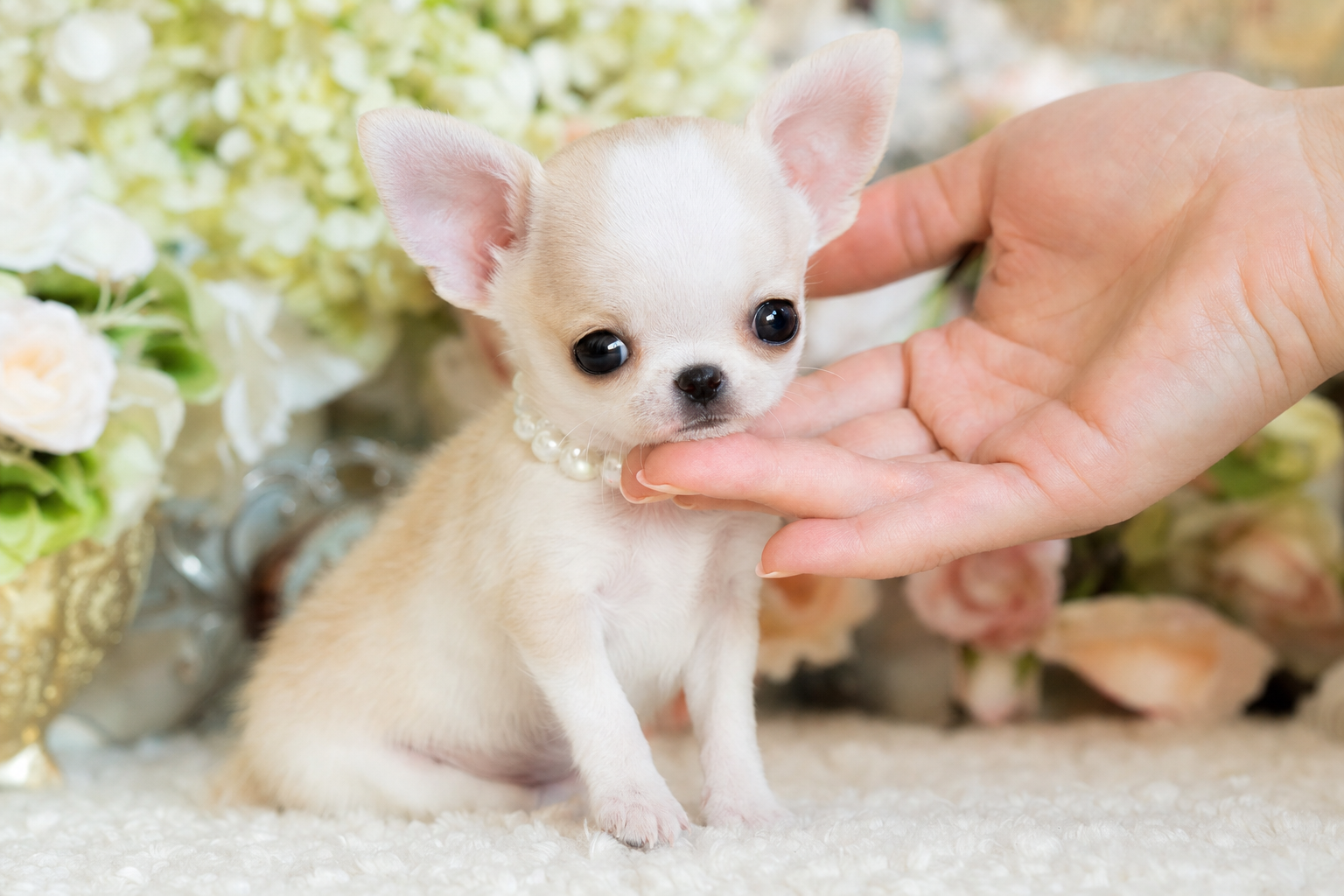
A veterinarian examining a small Pomeranian puppy for signs of patellar luxation in a bright, clean clinic.

As a breeder of boutique, small-breed puppies since 2019, one of the health topics I discuss most frequently with prospective owners is patellar luxation. It sounds intimidating, but it's a common condition in breeds like Pomeranians, Yorkies, and my specialty, Chihuahuas. My goal at World Class Puppies is to be completely transparent about these things, because a prepared owner is the best owner a puppy can have.

I’ve spent years working with veterinarians, studying pedigrees, and carefully selecting my parent dogs to produce the healthiest puppies possible. This guide is a collection of my firsthand experience. Whether you're in Boston looking for a fluffy Pomeranian companion or anywhere else in the country, understanding patellar luxation is crucial for giving your tiny dog the best life.

Why Pomeranian puppies are a great fit for Boston families

Boston is a vibrant, historic city, but it's also a place where many people live in apartments, condos, and historic homes with limited space. This is where a small breed like the Pomeranian truly shines. Their compact size—typically 3 to 7 pounds—makes them ideal for apartment living, whether you're in Beacon Hill or the South End. They don’t need a large yard and are perfectly content with daily walks and indoor play sessions.

Pomeranians have a big-dog personality in a small package. They are intelligent, curious, and surprisingly hardy. Their magnificent double coat offers good insulation, which is a bonus during those chilly Boston winters (though they'll still need a stylish little winter coat for walks along the Charles River Esplanade!). Their exercise needs are moderate; a couple of short, brisk walks per day are usually sufficient to keep them happy and healthy. This adaptability makes them a fantastic choice for busy professionals, couples, and families with older children who understand how to interact gently with a small animal.

Furthermore, their intelligence makes them highly trainable, a great asset for city life. A well-socialized Pomeranian can learn to be quiet in an apartment building and navigate busy sidewalks with confidence. For more on training in a smaller space, check out my guide on how to potty train a teacup puppy in a high-rise apartment.

Buyer's guide: how to choose a healthy Pomeranian puppy

When you decide to bring a Pomeranian puppy into your life, your most important job is to find a responsible breeder who prioritizes health. Here’s a checklist to guide you in your search.

  • Pedigree and Breeder Reputation: A reputable breeder (our story is here) will be an open book about their dogs' lineage. Ask about the parents and grandparents. Do they have a history of patellar luxation, and if so, what grade? Transparency is the hallmark of a breeder you can trust.
  • Health Testing: This is non-negotiable. Ask to see health certifications for the parent dogs. For patellar luxation, this typically involves a veterinarian manually examining the parents' knees and grading them. Responsible breeders will not breed dogs with severe (Grade 3 or 4) luxation.
  • Vaccination & Deworming Schedule: Your puppy should come with a complete health record detailing all vaccinations and deworming treatments they've received. You can learn more about what to expect from my article on Chihuahua puppy vaccination schedules, as the protocol is similar for all small breeds.
  • Age at Pickup: A responsible breeder will never let a tiny Pomeranian puppy go to a new home before 10-12 weeks of age. This extra time with their mother and littermates is crucial for their social, emotional, and physical development.
  • Contract and Health Guarantee: A breeder's confidence in their puppies is reflected in their contract. Look for a written health guarantee that covers congenital and genetic conditions, including severe patellar luxation. This protects both you and the puppy.

Breed comparison: Pomeranian vs. Yorkshire Terrier

Many families considering a Pomeranian also look at Yorkshire Terriers (Yorkies), another popular toy breed. While they share a similar size, their personalities and grooming needs differ. Here’s a quick comparison:

FeaturePomeranianYorkshire Terrier (Yorkie)
Size (Weight)3-7 lbs4-7 lbs
TemperamentBold, inquisitive, livelyFeisty, brave, affectionate
Grooming NeedsHigh (daily brushing for their double coat)High (daily brushing for their hair-like coat, needs professional trims)
SheddingSeasonal sheddingVery low shedding (often considered hypoallergenic)
Exercise NeedsModerate (short walks)Moderate (short walks & playtime)
Kid-FriendlinessBetter with older, gentle childrenBetter with older, gentle children

For a different comparison, you can also explore how Poms stack up against another favorite of mine in my Pomeranian vs. Chihuahua guide.

Puppy care tips from a breeder

Once your puppy is home, your care routine plays a big role in their lifelong health, especially concerning their joints.

  • Feeding Schedule: I feed my puppies Royal Canin Small Puppy food 3-4 times a day to maintain stable blood sugar and support healthy growth. Do not free-feed.
  • Potty Training: Consistency is key. Start immediately with a designated potty spot, whether it's a pad indoors or a spot outside on the leash.
  • Socialization: The window between 3 and 16 weeks is critical. Safely expose your puppy to new sights, sounds, and gentle people to build a confident, well-adjusted adult dog.
  • Vet Timeline: Schedule a check-up with your own vet within 48-72 hours of bringing your puppy home. This confirms the puppy's health and establishes a relationship with your local veterinary team.
  • Patellar Luxation Management: The most important thing you can do is keep your puppy at a lean, healthy weight to reduce stress on their joints. I also highly recommend using pet stairs or ramps to help them get on and off furniture. Discourage them from jumping from high surfaces, as repeated impact can aggravate a mild luxation.
  • Dental Care: Small breeds are prone to dental issues. Start brushing your puppy's teeth early and provide safe chew toys. It’s a crucial habit for their long-term health. For a deep dive, read my breeder's guide to Chihuahua dental care.

Travel and delivery to Boston

As a California-based breeder, I am frequently asked how my puppies get to their new homes across the country. I never, ever ship puppies in cargo. The safety and well-being of my dogs are paramount. For clients in Boston, I personally provide a hand-delivery service.

This means I will fly with your puppy in the cabin of the plane, right under my seat, and meet you at a convenient public place or even at Boston Logan International Airport (BOS). Before any travel is arranged, we will have extensive conversations and video calls so you can see your puppy and we can get to know each other. It’s a boutique, personal service designed to ensure the transition is as stress-free as possible for your new family member. See our past clients to see where our puppies now live!

Frequently asked questions

What are the grades of patellar luxation?

Patellar luxation is graded from 1 to 4. Grade 1 is where the kneecap can be manually pushed out of place but pops back in on its own. Grade 4 is a permanent dislocation that cannot be manually put back in place and typically requires surgery.

Can patellar luxation be prevented?

While it's largely a genetic and conformational issue, you can minimize risks by choosing a puppy from a reputable breeder who screens parents for the condition. Maintaining a healthy weight, avoiding high-impact activities, and using doggy stairs can also help manage the condition and prevent it from worsening.

How much does patellar luxation surgery cost for a small dog?

The cost can vary significantly based on your location, the veterinarian's specialty, and the severity (grade) of the luxation. Generally, you can expect costs to range from $1,500 to $4,000 per knee. This is why a good health guarantee and responsible breeding is so important.

Are Pomeranians good apartment dogs?

Yes, Pomeranians are excellent apartment dogs. Their tiny size, moderate exercise needs, and trainable nature make them perfectly suited for city living, from a small studio in Back Bay to a condo in the Seaport District. They are happy with short walks and indoor playtime.

Ready to welcome your new puppy?

Choosing a puppy is a decision filled with love, excitement, and a lot of questions. I hope this guide has empowered you with the knowledge to make a confident choice for your family. Whether you're interested in a Pomeranian, a Yorkie, or a tiny Apple Head Chihuahua, the principles of responsible breeding and careful ownership are the same.

If you're ready to take the next step, I invite you to view my available puppies. If you have any questions or would like to learn more about my program, please reach out to me via our Contact us page or directly by email at wcpuppies@gmail.com. I look forward to hearing from you!

Frequently asked questions

What are the grades of patellar luxation?

Patellar luxation is graded from 1 to 4. Grade 1 is where the kneecap can be manually pushed out of place but pops back in on its own. Grade 4 is a permanent dislocation that cannot be manually put back in place and typically requires surgery.

Can patellar luxation be prevented?

While it's largely a genetic and conformational issue, you can minimize risks by choosing a puppy from a reputable breeder who screens parents for the condition. Maintaining a healthy weight, avoiding high-impact activities, and using doggy stairs can also help manage the condition and prevent it from worsening.

How much does patellar luxation surgery cost for a small dog?

The cost can vary significantly based on your location, the veterinarian's specialty, and the severity (grade) of the luxation. Generally, you can expect costs to range from $1,500 to $4,000 per knee. This is why a good health guarantee and responsible breeding is so important.

Are Pomeranians good apartment dogs?

Yes, Pomeranians are excellent apartment dogs. Their tiny size, moderate exercise needs, and trainable nature make them perfectly suited for city living, from a small studio in Back Bay to a condo in the Seaport District. They are happy with short walks and indoor playtime.

Ready to meet your new puppy?

See currently available teacup puppies or reach out to join our waitlist.