Apple Head Chihuahua
Crate Training a Tiny Breed Puppy: A Breeder's Guide
By Yulia Sky · June 29, 2026
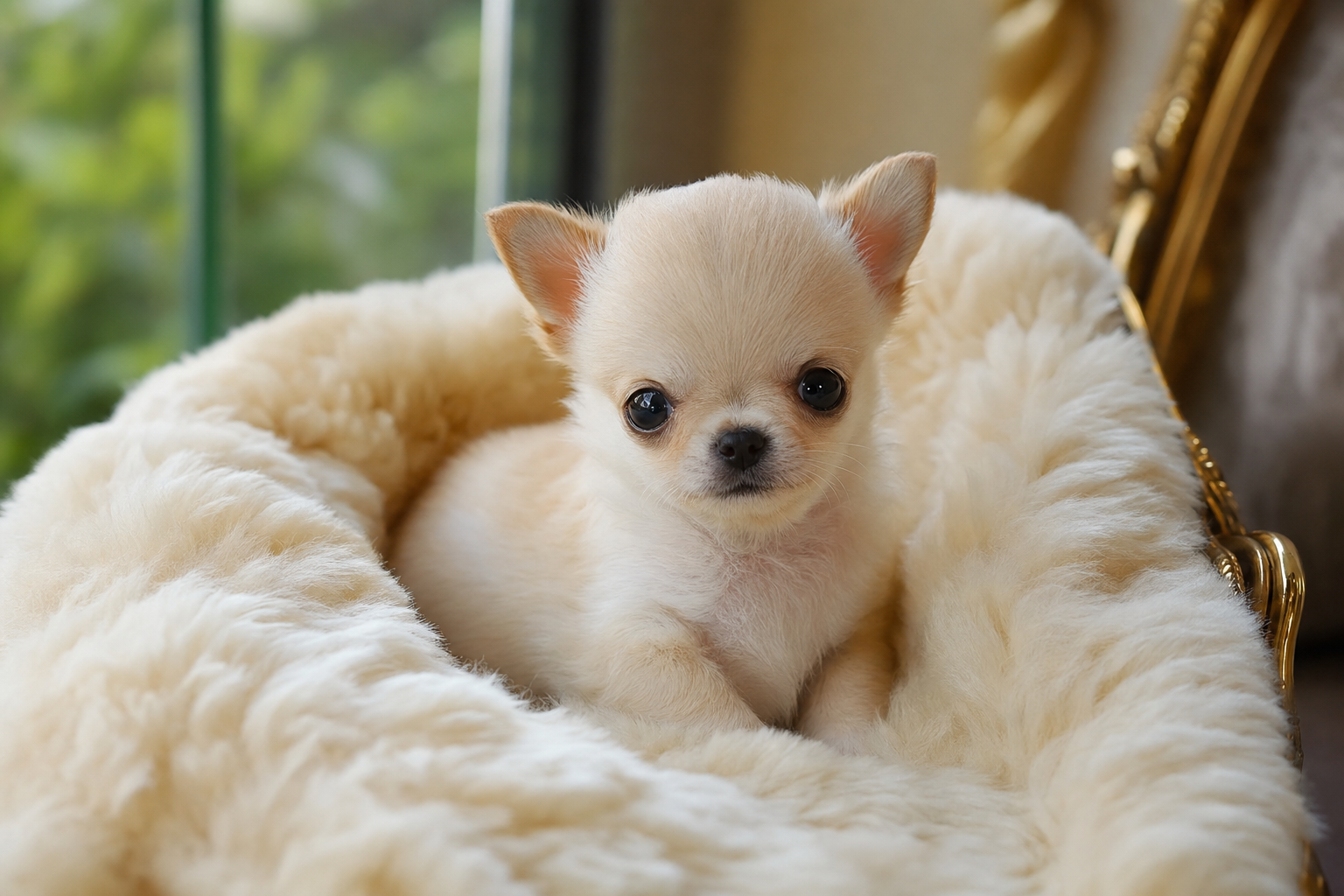
As a boutique breeder of small-breed puppies since 2019, one of the first and most important lessons I share with new families is the art of crate training. Here at World Class Puppies, raising tiny Apple Head Chihuahuas has taught me that a crate isn't a cage—it's a safe den, a personal bedroom, and an invaluable tool for potty training and travel. For families in bustling areas like Orange County, California, giving your tiny new companion a secure space of their own is an act of love.
Many new owners of toy breeds are hesitant. The idea of putting such a small, delicate creature in a crate can feel wrong. But I'm here to tell you, from years of experience, that when done correctly, crate training provides comfort, security, and structure that tiny dogs crave. It prevents accidents, protects them from household dangers, and makes everything from vet visits to travel a breeze. Let’s walk through how to make the crate your puppy’s favorite place.
Why Crate Training is Essential for Orange County Chihuahua Owners
Life in Orange County is fantastic—sunny weather, beautiful parks, and a vibrant lifestyle. Whether you're in a modern high-rise in Irvine or a charming home in Laguna Beach, your environment plays a role in how you should raise your puppy. For Chihuahua owners here, crate training is not just a suggestion; it's a key to a harmonious life.
For apartment dwellers, a crate is non-negotiable. It's the foundation of successful potty training, which can be a challenge in a multi-story building. A puppy naturally wants to keep its 'den' clean, which is a principle we explain in detail in our guide to potty training in an apartment. A crate also gives your pup a safe, quiet place to retreat when you have guests or during a busy day, preventing them from getting underfoot and potentially hurt.
The O.C. lifestyle often involves outings, from a stroll around the shops at Fashion Island to a drive down PCH. A crate-trained dog is a happy traveler. They associate their crate with safety, reducing car anxiety and making it possible to bring them along on your adventures. It also ensures they are secure in the car, which is a legal requirement and just plain common sense. For a tiny Apple Head Chihuahua, a crate is their personal safety bubble in a big, busy world.
Choosing the Right Crate & Setup for a Tiny Puppy
Setting your puppy up for success starts with the right equipment. Don't just grab the smallest crate you can find. A little thought goes a long way in creating a welcoming den.
- Size is Crucial: The crate should be large enough for the puppy to stand up, turn around, and lie down comfortably, but not so large that they can use one end as a potty and the other as a bed. For a teacup Chihuahua puppy, this is often a very small crate, around 18-22 inches long. Many come with a divider so you can adjust the space as they grow.
- Material Matters: I prefer wire crates for their visibility and ventilation. They make the puppy feel less isolated. Plastic travel crates are also great, especially for air travel, as they are required for in-cabin flights. Both are easy to clean.
- Make it Comfy: Line the crate with a soft, washable bed or blanket. Avoid loose towels or puppy pads inside the crate initially, as puppies can chew and ingest them. A snuggle toy with a simulated heartbeat can work wonders for a new puppy missing its littermates.
- Location, Location, Location: Place the crate in a central, social area of the home, like the living room. Puppies are social creatures and will hate being isolated. At night, I recommend moving the crate into your bedroom, next to your bed. This helps them feel secure and allows you to hear if they need a potty break during the night.
Crate Training vs. Playpen: Which is Better?
This is a question I get all the time. Both crates and playpens are valuable tools, but they serve different purposes. For a tiny Apple Head Chihuahua, I recommend using both in tandem. Here's a quick comparison:
| Feature | Crate | Playpen |
|---|---|---|
| Purpose | A safe 'den' for sleeping, travel, and preventing destructive behavior when unsupervised. | A safe, larger area for supervised play. |
| Potty Training | Excellent tool. Uses their denning instinct to avoid accidents. | Can be used with a potty pad, but doesn't teach bladder control as effectively. |
| Supervision | Designed for short, unsupervised periods (e.g., while you shower or run errands). | Requires supervision; a puppy can get into mischief or even try to climb out. |
| Best Use | Nighttime sleep, naps, and when you can't watch them 100%. | When you're home but busy (e.g., cooking or working), keeping them contained with toys. |
My advice? Use the crate for naps and bedtime, and the playpen as a safe zone during the day when you're home but can't give them your full attention.
A Breeder's Step-by-Step Crate Training Guide
Crate training is about making the crate a positive, wonderful place. This process requires patience and consistency. Never use the crate as punishment.
- Introduction: Leave the crate door open in an area where the family spends time. Toss high-value treats (like tiny pieces of boiled chicken) inside. Let the puppy explore it on their own terms without forcing them in.
- Meal Time: Start feeding your puppy all their meals inside the crate with the door open. This builds a strong positive association. Once they are comfortable, you can close the door for a few minutes while they eat.
- Short Sessions: Encourage your puppy to enter with a verbal cue like "Crate up!" and a treat. Close the door for just 30 seconds, then open it and praise them. Slowly increase the duration over several days. Stay in the room initially.
- Managing Whining: It’s normal for a puppy to whine at first. Do not let them out when they are whining, as this teaches them that crying gets them what they want. Wait for a brief moment of quiet, then open the door. If the crying is frantic, they may need a potty break—keep it brief and business-like, then right back in the crate.
- Overnight Sleep: On the first night, place the crate by your bed. This will comfort your puppy. Be prepared to take them out for a potty break once or twice during the night. A tiny Chihuahua puppy (under 1 lb) cannot hold it for more than 2-3 hours. Hypoglycemia (low blood sugar) is a real risk for tiny breeds, so their last meal should be right before bedtime, and their first should be right upon waking. Until they are over 3 lbs, they may need a middle-of-the-night snack.
For more puppy training advice, check out our breeder's training tips blog.
Travel and Delivery to Orange County
We are dedicated to ensuring our puppies transition to their new homes safely. For our clients in Orange County and across California, we offer a personal, hand-delivery service. I or a trusted flight nanny accompany your puppy, ensuring they are comfortable and secure throughout the journey.
This is where crate training is a huge benefit. A puppy that is already familiar with and comfortable in a travel carrier will experience far less stress during their trip home. All our puppies begin their crate exposure here with us, giving them a head start. We can meet you in person to hand over your new family member, or you can even arrange to pick them up. We always encourage a video call first so you can see our puppies and ask questions about our program, which you can learn more about on our about us page.
Frequently Asked Questions
Are Chihuahuas good apartment dogs?
Yes, Chihuahuas are excellent apartment dogs due to their tiny size and minimal exercise needs. A properly crate-trained Chihuahua will feel secure in their own small space, making them ideal companions for apartment dwellers in places like Irvine or Costa Mesa.
What should I know before buying a Chihuahua?
Before buying a Chihuahua, understand their needs for socialization, consistent training, and dental care. You should also be prepared for their fragile size and potential for hypoglycemia, which requires a strict feeding schedule. Always choose a reputable breeder who provides a health guarantee.
Are Chihuahuas good with children?
Chihuahuas can be good with older, gentle children who understand how to interact respectfully with a tiny dog. Due to their fragile bodies, they are generally not recommended for families with toddlers or very young kids who might accidentally injure them. Supervision is always essential.
Where can I buy a Chihuahua puppy in California?
You can find high-quality, health-tested Chihuahua puppies from reputable breeders in California like World Class Puppies. It's important to research breeders, ask for health records, and arrange a video call to meet the puppy and see its living conditions before making a commitment.
Ready to Welcome Your New Puppy?
Crate training is one of the many topics I love discussing with new puppy parents. It sets the stage for a lifetime of happiness and good behavior. If you're looking for a meticulously raised Apple Head Chihuahua or other small breed puppy from European champion lines, I invite you to see our available puppies.
If you have any questions about our process, our health guarantee, or want to reserve a future puppy, please reach out. You can email me directly at genasax@icloud.com or use the form on our contact page.
From my home to yours,
Yulia Sky
Educational information only. This article is general Chihuahua owner education written by the World Class Puppies breeding program. It is not veterinary advice and has not been reviewed by a veterinarian. Vaccination, spay/neuter timing, diet and treatment decisions depend on the individual dog — please follow the guidance of your own licensed veterinarian.
Frequently asked questions
Are Chihuahuas good apartment dogs?
Yes, Chihuahuas are excellent apartment dogs due to their tiny size and minimal exercise needs. A properly crate-trained Chihuahua will feel secure in their own small space, making them ideal companions for apartment dwellers in places like Irvine or Costa Mesa.
What should I know before buying a Chihuahua?
Before buying a Chihuahua, understand their needs for socialization, consistent training, and dental care. You should also be prepared for their fragile size and potential for hypoglycemia, which requires a strict feeding schedule. Always choose a reputable breeder who provides a health guarantee.
Are Chihuahuas good with children?
Chihuahuas can be good with older, gentle children who understand how to interact respectfully with a tiny dog. Due to their fragile bodies, they are generally not recommended for families with toddlers or very young kids who might accidentally injure them. Supervision is always essential.
Where can I buy a Chihuahua puppy in California?
You can find high-quality, health-tested Chihuahua puppies from reputable breeders in California like World Class Puppies. It's important to research breeders, ask for health records, and arrange a video call to meet the puppy and see its living conditions before making a commitment.
Ready to meet your new puppy?
See currently available teacup puppies or reach out to join our waitlist.