Chihuahua Puppy Life: A July 2026 Guide to Daily Routines & Growth
Thursday, July 16, 2026 · World Class Puppies Newsroom
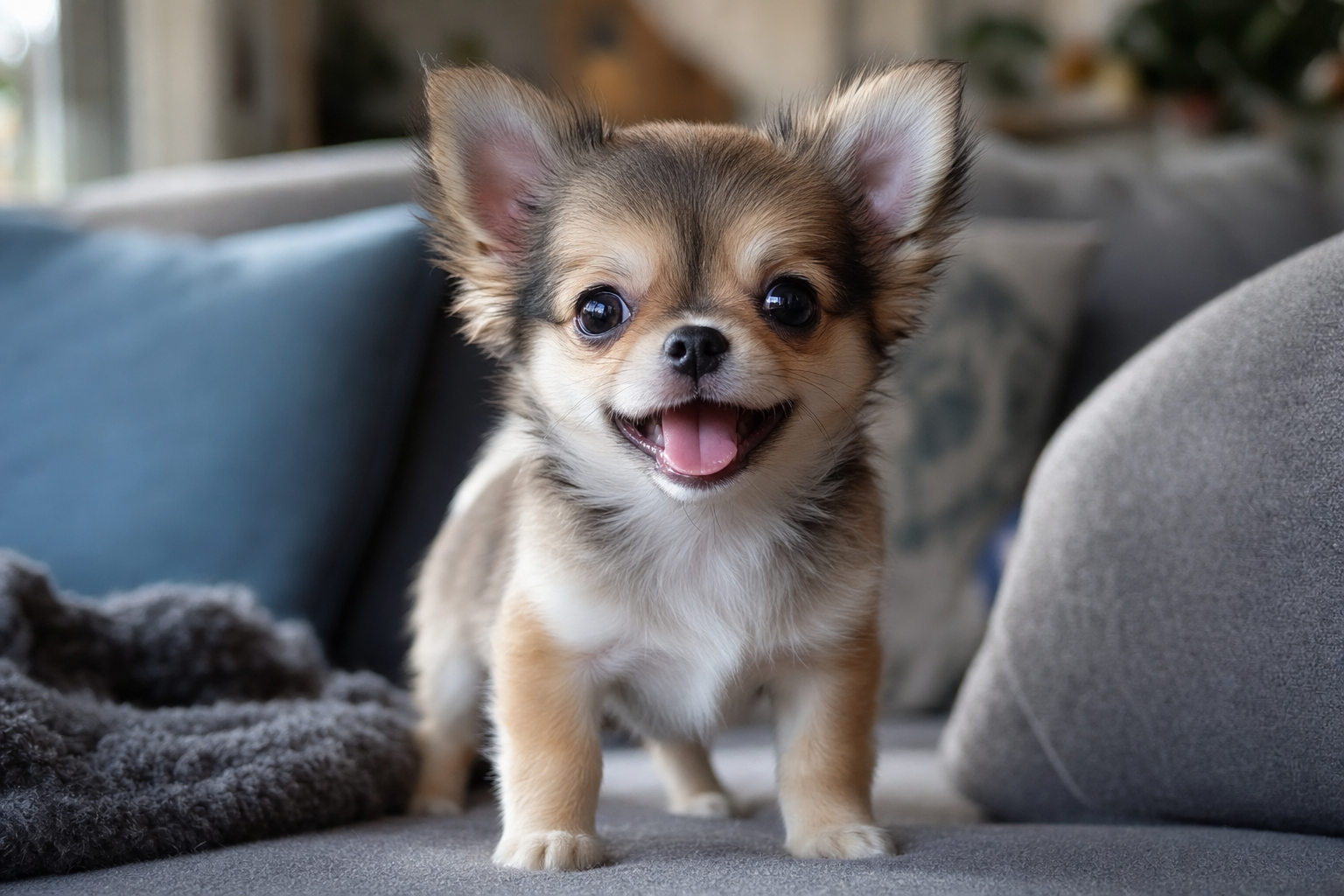
LOS ANGELES — New veterinary insights for July 2026 emphasize a structured daily routine as the single most critical factor in raising a confident, well-behaved Chihuahua puppy.
What's new today
Across veterinary publications and breeder communities, the conversation around raising a Chihuahua puppy this summer is coalescing around one central theme: predictability. Experts are moving away from a reactive approach to puppy problems and instead promoting proactive "habit shaping" through highly structured daily schedules. This is especially crucial for sensitive toy breeds like Chihuahuas, whose small size can make the world seem overwhelming.
Recent guidance from veterinary behaviorists notes that a consistent routine—encompassing feeding, potty breaks, naps, and playtime—is the most effective tool for preventing anxiety-related behaviors later in life. While technology offers new puppy-monitoring apps, the American Veterinary Medical Association (AVMA) reminds owners that nothing replaces direct observation. Understanding your specific puppy's cues is paramount. For example, a Teacup Chihuahua puppy may need more frequent naps and potty breaks than a slightly larger littermate.
This month, a renewed focus on the critical socialization window (3 to 16 weeks) is also trending. The American Kennel Club (AKC) continues to stress the importance of positive exposure, but with a new caveat for Chihuahuas: quality over quantity. Instead of chaotic dog parks, experts now recommend controlled, one-on-one introductions and exposure to a variety of gentle sounds and textures within the home. This curated approach helps build a confident adult Chihuahua without causing the fear-imprinting that can result from overwhelming experiences.
Key takeaways
- Structure Reduces Anxiety: A predictable daily schedule for feeding, sleeping, and potty time is the cornerstone of a secure and happy Chihuahua puppy.
- Socialization Must Be Curated: The critical socialization window is vital, but for Chihuahuas, it should focus on controlled, positive, and gentle exposures rather than overwhelming public settings.
- Mental Enrichment is Non-Negotiable: Puzzle feeders and scent games are now considered as important as physical play for a Chihuahua's cognitive development and to prevent boredom.
- Potty Training is a Game of Frequency: Due to their tiny bladders, Chihuahua puppies require potty breaks every 1-2 hours, plus after every nap, meal, and play session. Consistency is key.
- Rapidly Changing Nutritional Needs: Vets emphasize that a Chihuahua puppy's caloric needs are high but change quickly. Owners should be prepared to adjust food quantity based on vet guidance, not just the bag's recommendation.
- Hypoglycemia Awareness: Low blood sugar remains a top concern for Miniature and Teacup varieties. A consistent feeding schedule with high-quality food is the primary preventative measure.
What it means for Chihuahua owners
For the owner of a new Chihuahua puppy—whether it's an Apple Head, Long Hair, or Teacup—this guidance translates into being a diligent planner. Your puppy's day should revolve around a simple, repeatable cycle: wake, potty, eat, play, potty, nap. Writing this schedule down can help everyone in the household stay consistent, which is the secret to successful potty training and preventing separation anxiety.
When it comes to socialization, think small and safe. Instead of a trip to a busy cafe, let your puppy walk on different surfaces in your home (carpet, tile, a new mat), hear the vacuum cleaner from another room, or meet a calm, vaccinated adult dog in a controlled one-on-one setting. The goal is to build a library of positive experiences that teaches them the world is a safe place.
Finally, embrace your role as your puppy's primary advocate. Their small size makes them vulnerable. This means protecting them from overly boisterous children or larger dogs, ensuring they have a safe, quiet space to retreat to, and vigilantly monitoring their energy levels to prevent hypoglycemia. A well-managed puppyhood sets the foundation for a long, healthy life with your tiny companion.
Expert tips from our breeder
- Feeding Schedule: Feed a high-quality, small-breed puppy kibble 3-4 times per day. Do not free-feed. This helps regulate their metabolism and prevents dangerous dips in blood sugar.
- Potty Training: Take your puppy out the moment they wake up, right after they eat, and before you put them in their crate. Use a consistent verbal cue like "go potty" and offer praise and a high-value treat immediately upon success.
- Socialization Goals: Aim to introduce your puppy to one new, calm experience each day. This could be meeting a new person, hearing a doorbell on TV, or sitting in a carrier while you open and close the car door.
- Veterinary Visits: Schedule your puppy's full series of vaccinations with your vet as soon as you bring them home. At your first visit, specifically discuss a hypoglycemia prevention and action plan.
- Grooming Routine: For Long Hair Chihuahuas, begin daily gentle brushing with a soft-bristle brush from day one. This accustoms them to being handled and prevents mats from forming in their fine coat.
Sources & further reading
- Chihuahua Breed Information & Standard
- New Puppy Checklist
- Small Breed Puppy Nutrition (Guidance on appropriate feeding for small animals is transferable)
Explore our available puppies at /puppies or contact us to learn more about our breeding philosophy.
Educational information only. This briefing is general Chihuahua owner education from the World Class Puppies newsroom. It is not veterinary advice and has not been reviewed by a veterinarian. Care, diet and treatment decisions depend on the individual dog — please follow the guidance of your own licensed veterinarian.