Teacup Chihuahua
Hypoglycemia in Teacup Chihuahuas: Prevention & Warning Signs
By Yulia Sky · July 17, 2026
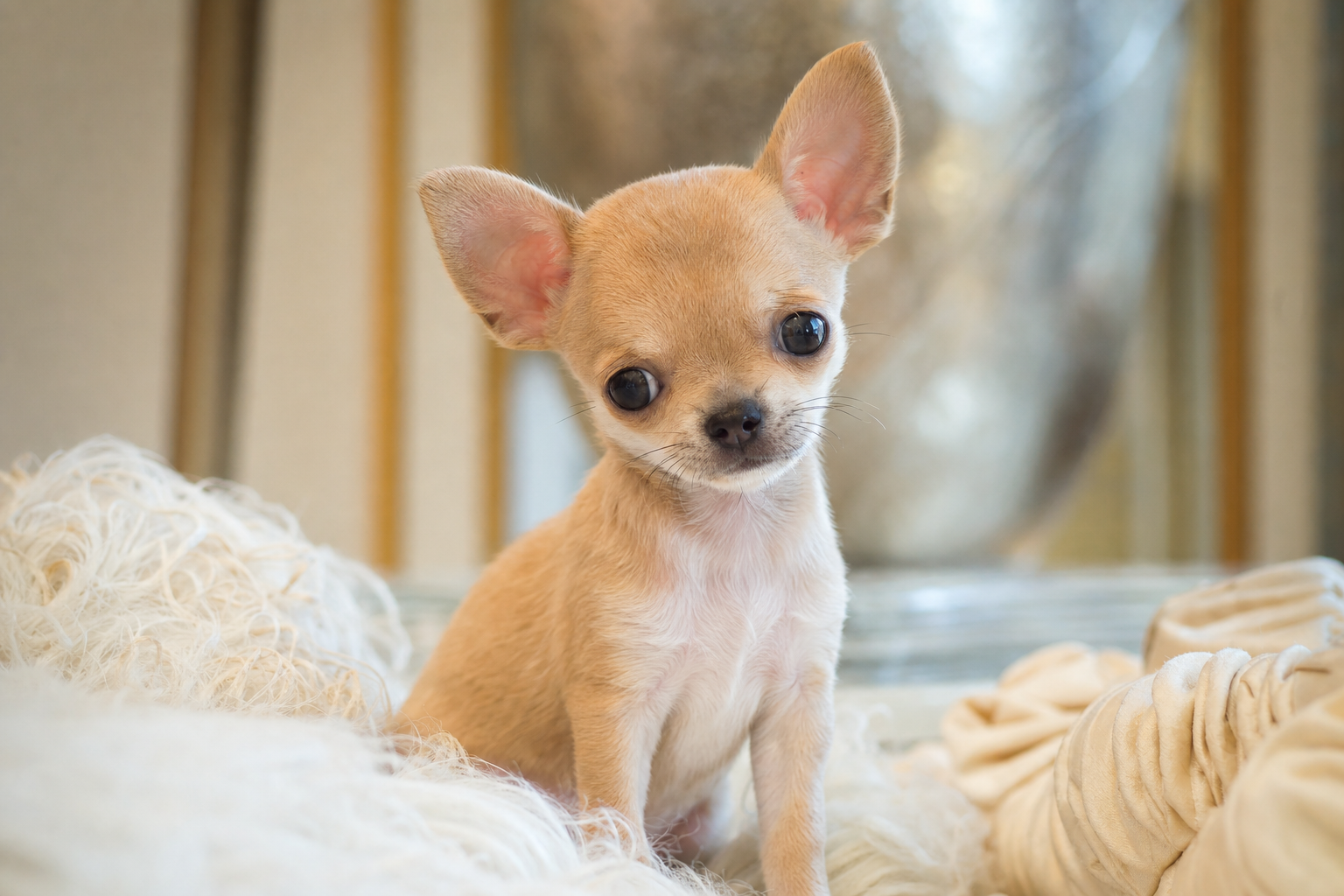
As an in-home Chihuahua breeder since 2019, one of the most important topics I discuss with new families is hypoglycemia. My name is Yulia Sky, and at World Class Puppies, my passion is raising happy, healthy Apple Head, Long Hair, and Teacup Chihuahuas. These tiny dogs bring immense joy, but their miniature size, especially in teacups, comes with a unique set of care requirements. Hypoglycemia, or low blood sugar, is a serious and potentially life-threatening condition that every teacup owner must understand.
Over the years, I've guided many new owners—from right here in California to families in sunny Phoenix, Arizona—on how to prevent and recognize the warning signs. It's not meant to be scary, but empowering. Knowing what to look for and how to react can mean the difference between a minor scare and a true emergency. This guide is based on my firsthand experience and the protocols I use to ensure every puppy that leaves my home is set up for a long, healthy life.
This isn't just theory; it's the practical, day-to-day reality of caring for a dog that might only weigh two pounds as an adult. Understanding their metabolism, feeding needs, and stress triggers is the foundation of responsible ownership. Let's walk through everything you need to know to keep your tiny companion safe.
Why Teacup Chihuahua Puppies Are a Great Fit for Phoenix Families
The Phoenix metropolitan area, with its vibrant city life and warm climate, is a surprisingly perfect environment for a teacup Chihuahua. While you might picture a desert dog as something larger and more rugged, the Chihuahua's needs align perfectly with the Phoenix lifestyle.
First, their size makes them ideal for modern living. Whether you're in a high-rise apartment in Downtown Phoenix, a condo in Scottsdale, or a townhome in Tempe, a teacup Chihuahua doesn't need a large yard. Their exercise needs are met with indoor playtime and short, leisurely walks during the cooler parts of the day. This adaptability makes them one of the best small dogs for apartments.
Second, the Arizona heat is a significant factor. Teacup Chihuahuas are primarily indoor dogs. They are sensitive to extreme temperatures, both hot and cold. During the scorching summer months in Phoenix, a teacup Chi is perfectly content staying inside in the air conditioning, snuggling on the couch with you. This removes the pressure of needing to take a dog out for long, strenuous exercise in 110-degree weather. Their 'business' can even be handled indoors on a potty pad, a huge convenience for many owners.
Finally, they are the ultimate companion dogs. Chihuahuas bond deeply with their owners and thrive on attention. For Phoenix professionals, retirees, or families who want a constant, loving presence, a teacup Chihuahua is an unparalleled choice. They are portable enough to join you (in a carrier) on errands and make homes of any size feel full of love.
Buyer's Guide: How to Choose a Healthy Teacup Chihuahua Puppy
When you decide to bring home a teacup Chihuahua, you're making a long-term commitment. Choosing a responsible breeder is the single most important step in ensuring your puppy is healthy and well-socialized. Here is a checklist of what to look for:
- Pedigree & Lineage: A reputable breeder will be proud to discuss their puppies' European bloodlines. Ask about the parents' size, health, and temperament.
- Health Testing: Beyond a simple vet check, ask about genetic health testing for common Chihuahua issues. A committed breeder invests in the health of their breeding dogs to reduce the risk of hereditary problems.
- Vaccination & Deworming Schedule: Your puppy should come with a detailed health record showing at least the first set of vaccinations (DHPP) and multiple rounds of deworming. Ask what the schedule is and when the next shots are due.
- Age at Pickup: For teacup puppies, this is critical. A responsible breeder will never let a teacup Chihuahua go home before 10-12 weeks of age. They need this extra time with their mother and littermates to become stable, eat well on their own, and be strong enough for the transition.
- Written Contract: A professional breeder will always provide a written contract that outlines the terms of the sale, their responsibilities, and your responsibilities as a new owner. This should include a spay/neuter agreement.
- Health Guarantee: Our health guarantee is a promise of our commitment to our puppies’ well-being. Look for a breeder who offers a guarantee against life-threatening congenital defects. This shows they stand behind the health of their dogs.
Breed Comparison: Teacup Chihuahua vs. Standard Chihuahua
While both 'teacup' and 'standard' are Chihuahuas, their care needs can differ significantly, especially for new owners. 'Teacup' is a marketing term, not an official variety, referring to Chihuahuas that mature at under 4-5 pounds. Here’s a quick comparison:
| Feature | Teacup Chihuahua (Under 5 lbs) | Standard Chihuahua (Up to 6-7 lbs) |
|---|---|---|
| Size & Weight | Typically 2-4.5 lbs. Extremely fragile. | Typically 5-7 lbs. More robust and sturdy. |
| Temperament | Classic 'big dog in a small body' personality, very loyal. | Same spirited personality, but often a bit more resilient. |
| Grooming | Same for both (Long or Short Hair), but less surface area. | Same for both, requires regular brushing, especially long coats. |
| Feeding Frequency | CRITICAL: Must eat every 3-4 hours as a puppy to prevent hypoglycemia. | Frequent meals as a puppy, but less prone to hypoglycemia. |
| Fragility | High. Susceptible to injury from falls, being stepped on. | Moderate. Still a small dog, but less fragile than teacups. |
| Health Concerns | High risk for hypoglycemia, patellar luxation, dental issues. | Lower risk of hypoglycemia, still prone to dental/patellar issues. |
Puppy Care Tips From a Breeder: Preventing Hypoglycemia
This is the most important section of this guide. Hypoglycemia can happen quickly in a tiny puppy, so being prepared is essential. Here is what every teacup Chihuahua owner must know.
What Is Hypoglycemia?
Hypoglycemia is a sudden and dangerous drop in blood sugar. Tiny puppies, especially teacups, have very little fat and muscle mass to store glucose. They burn through energy quickly. Missing a meal, becoming chilled, experiencing stress (like moving to a new home), or having an underlying illness can trigger an episode.
Warning Signs of Hypoglycemia
You must be vigilant. The signs can progress quickly:
- Lethargy and Weakness: The puppy is suddenly very tired, limp, or doesn't want to play.
- Disorientation: Acting 'drunk,' stumbling, or walking in circles.
- Pale Gums: Gums that are whitish or grey instead of a healthy pink.
- Glassy, Unfocused Eyes: A vacant stare.
- Trembling or Twitching: Especially around the face and head.
- Seizures: In severe cases, the body will go rigid and convulse.
Immediate Emergency Action
If you see any of these signs, you must act IMMEDIATELY. This is not a 'wait and see' situation.
- Get Sugar In Them: Rub a high-sugar source directly onto their gums. The sugar is absorbed through the mucous membranes. Karo syrup, honey, or a high-calorie supplement like Nutri-Cal are perfect. Have this in your home before your puppy arrives!
- Keep Them Warm: Wrap the puppy in a warm blanket. Low body temperature often accompanies hypoglycemia.
- Call Your Vet: Once the puppy seems to be responding and becoming more alert (this can happen within minutes), call your vet or an emergency clinic immediately. They will advise you on the next steps, which may include bringing the puppy in for evaluation.
How to Prevent Hypoglycemia
Prevention is always better than treatment. Here is my proven protocol:
- Frequent, Small Meals: A teacup puppy under 3 pounds should be fed every 3-4 hours, around the clock. Don't assume they will wake you up if they are hungry. For more details, read my breeder's guide to feeding schedules.
- Use a Food They Love: Ensure your puppy is eating enthusiastically. Sometimes a puppy might not eat because they don't like their food, which can be dangerous. If you notice your Chihuahua puppy isn't eating, it's a red flag.
- High-Calorie Supplement: I send all my puppies home with a tube of Nutri-Cal or a similar supplement. A small dab a few times a day, especially during the stressful transition period, can provide extra calories and peace of mind.
- Monitor Food Intake: Don't just put food down; watch them eat to ensure they are consuming enough.
- Avoid Stress: Keep the first few weeks calm and quiet. Limit visitors and don't overwhelm the puppy with new experiences all at once.
- Stay Warm: A cold puppy uses energy to stay warm, which can deplete their glucose reserves. Provide a warm, cozy bed away from drafts.
Travel and Delivery to Phoenix
For my clients in Phoenix and across the country, ensuring a safe and low-stress journey for your new puppy is my top priority. We do not ship puppies in cargo. Ever. I personally hand-deliver each puppy, or use a trusted flight nanny who keeps the puppy in the cabin with them at all times.
For families in Phoenix, this typically involves a flight into Phoenix Sky Harbor International Airport (PHX). I will be with your puppy from my home to yours, ensuring they are fed, warm, and comforted throughout the trip. We use video calls so you can see and choose your puppy, and I send frequent photo and video updates as they grow. To learn more about our process, you can read my detailed guide on how to travel with a Chihuahua.
Frequently Asked Questions
What are the first signs of hypoglycemia in a Chihuahua puppy?
The earliest signs are often sudden lethargy, weakness, or appearing disoriented. Your puppy might stumble, have pale gums, or seem unusually sleepy and unresponsive. In advanced stages, you might see trembling, twitching, or even seizures.
How can I prevent hypoglycemia in my teacup Chihuahua?
Prevention is key. Feed your puppy small, frequent meals every 3-4 hours. Always have a high-calorie supplement like Nutri-Cal on hand, keep your puppy warm, and avoid stressful situations or over-exercising them, especially when they are very young.
What should I do if I suspect my Chihuahua puppy has hypoglycemia?
Act immediately. If your puppy is conscious, rub a small amount of Karo syrup, honey, or a high-calorie gel onto their gums for rapid sugar absorption. Keep them warm with a blanket and call your vet or an emergency vet clinic right away for further instructions.
Are Chihuahuas good apartment dogs?
Yes, Chihuahuas are excellent apartment dogs due to their tiny size and low exercise needs. They are perfectly happy with indoor play and short walks, making them well-suited for city living in places like Phoenix.
How much does a Teacup Chihuahua puppy cost?
The cost of a well-bred Teacup Chihuahua can vary significantly based on lineage, size, and breeder reputation. It's important to invest in a healthy puppy from a responsible breeder who performs health testing. You can learn more in our complete cost guide.
Ready to Welcome Your New Puppy?
Understanding the specifics of teacup care is the first step toward a wonderful life with your tiny companion. While hypoglycemia is a serious topic, with the right knowledge and a proactive approach, you can ensure your puppy thrives. My commitment as a breeder extends beyond the day you take your puppy home; I am always here as a resource for my puppy families.
If you're ready to add a healthy, lovingly-raised Chihuahua to your family, I invite you to view my available puppies. Please feel free to reach out to me via the contact us page or directly by email at genasax@icloud.com with any questions you may have. I look forward to helping you find your perfect tiny friend!
Educational information only. This article is general Chihuahua owner education written by the World Class Puppies breeding program. It is not veterinary advice and has not been reviewed by a veterinarian. Vaccination, spay/neuter timing, diet and treatment decisions depend on the individual dog — please follow the guidance of your own licensed veterinarian.
Frequently asked questions
What are the first signs of hypoglycemia in a Chihuahua puppy?
The earliest signs are often sudden lethargy, weakness, or appearing disoriented. Your puppy might stumble, have pale gums, or seem unusually sleepy and unresponsive. In advanced stages, you might see trembling, twitching, or even seizures.
How can I prevent hypoglycemia in my teacup Chihuahua?
Prevention is key. Feed your puppy small, frequent meals every 3-4 hours. Always have a high-calorie supplement like Nutri-Cal on hand, keep your puppy warm, and avoid stressful situations or over-exercising them, especially when they are very young.
What should I do if I suspect my Chihuahua puppy has hypoglycemia?
Act immediately. If your puppy is conscious, rub a small amount of Karo syrup, honey, or a high-calorie gel onto their gums for rapid sugar absorption. Keep them warm with a blanket and call your veterinarian or an emergency vet clinic right away for further instructions.
Are Chihuahuas good apartment dogs?
Yes, Chihuahuas are excellent apartment dogs due to their tiny size and low exercise needs. They are perfectly happy with indoor play and short walks, making them well-suited for city living in places like Phoenix.
How much does a Teacup Chihuahua puppy cost?
The cost of a well-bred Teacup Chihuahua can vary significantly based on lineage, size, and breeder reputation. It's important to invest in a healthy puppy from a responsible breeder who performs health testing. You can learn more in our [complete cost guide](/blog/teacup-chihuahua-cost-guide).
Ready to meet your new puppy?
See currently available teacup puppies or reach out to join our waitlist.